
Free written scope consultation - allowances, timeline, and change-order rules on paper before a single trade is scheduled
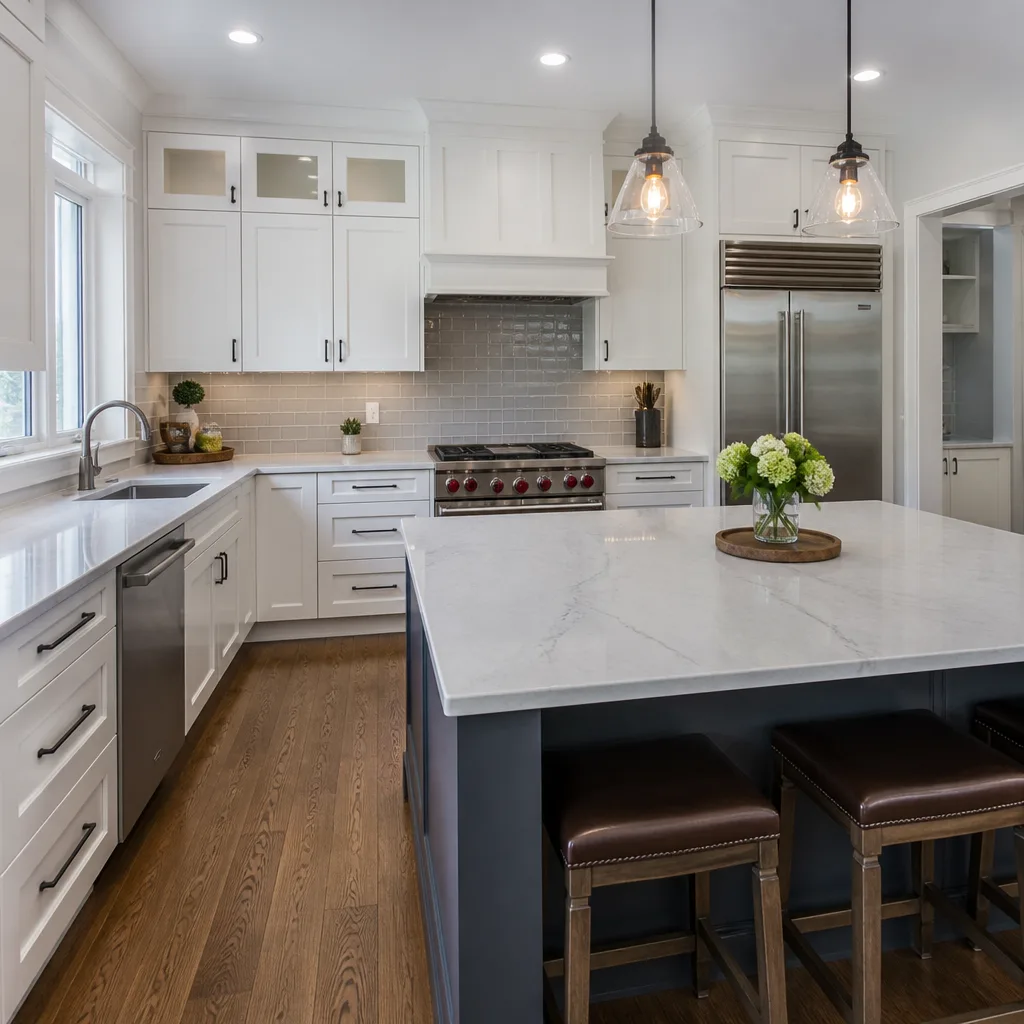
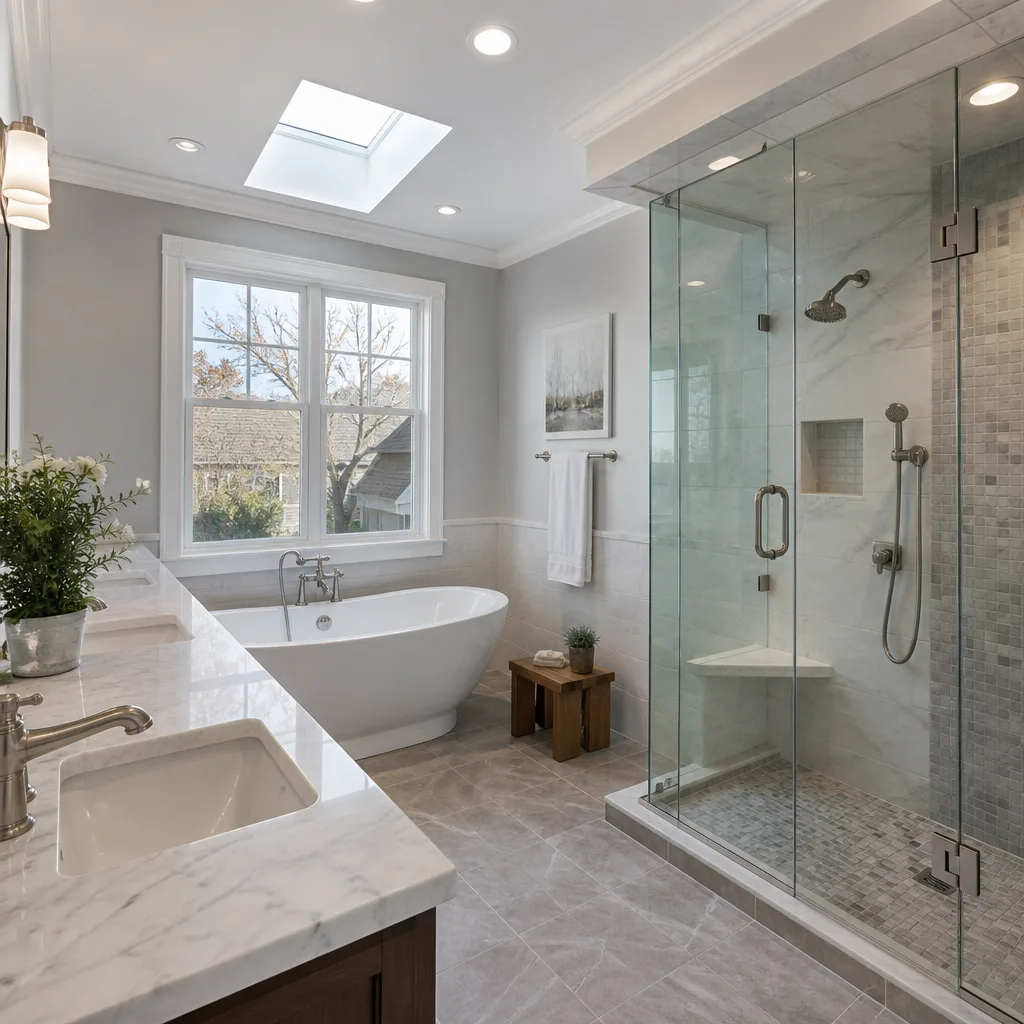
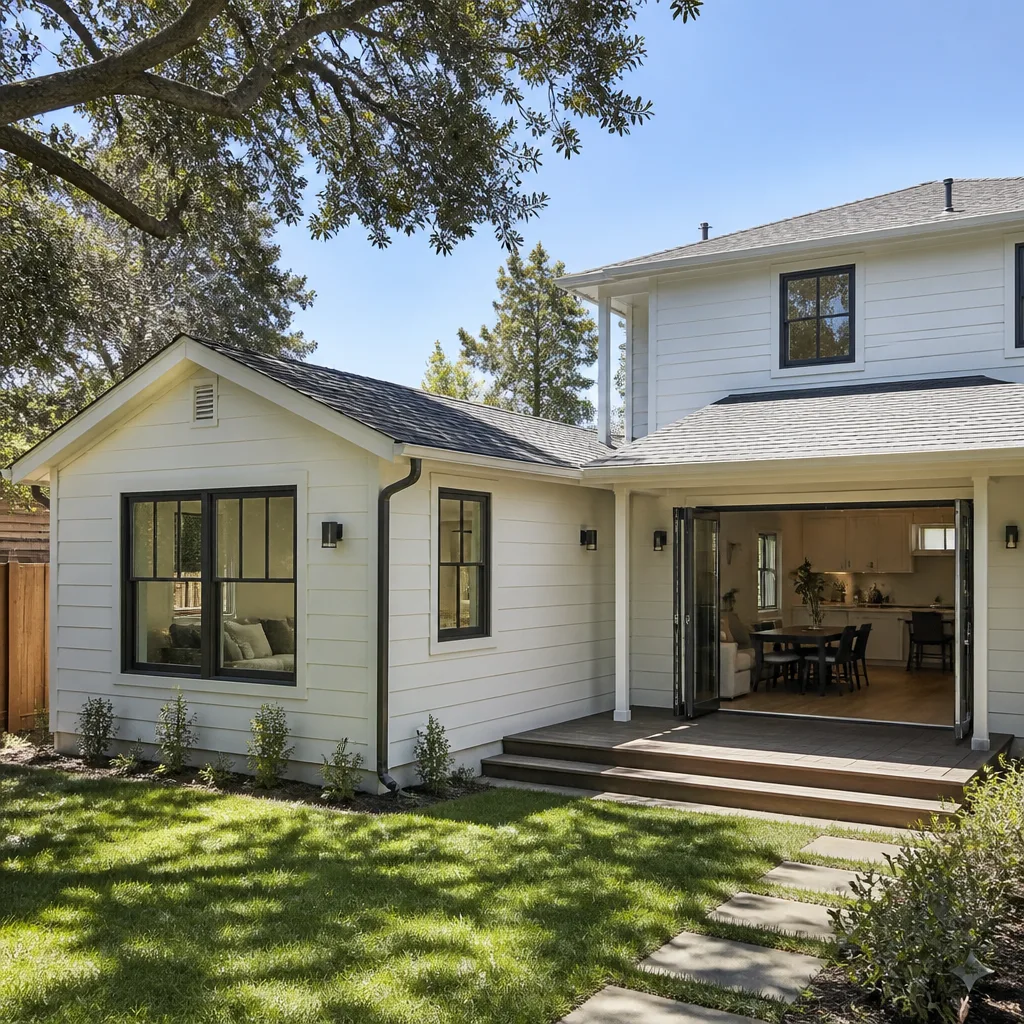
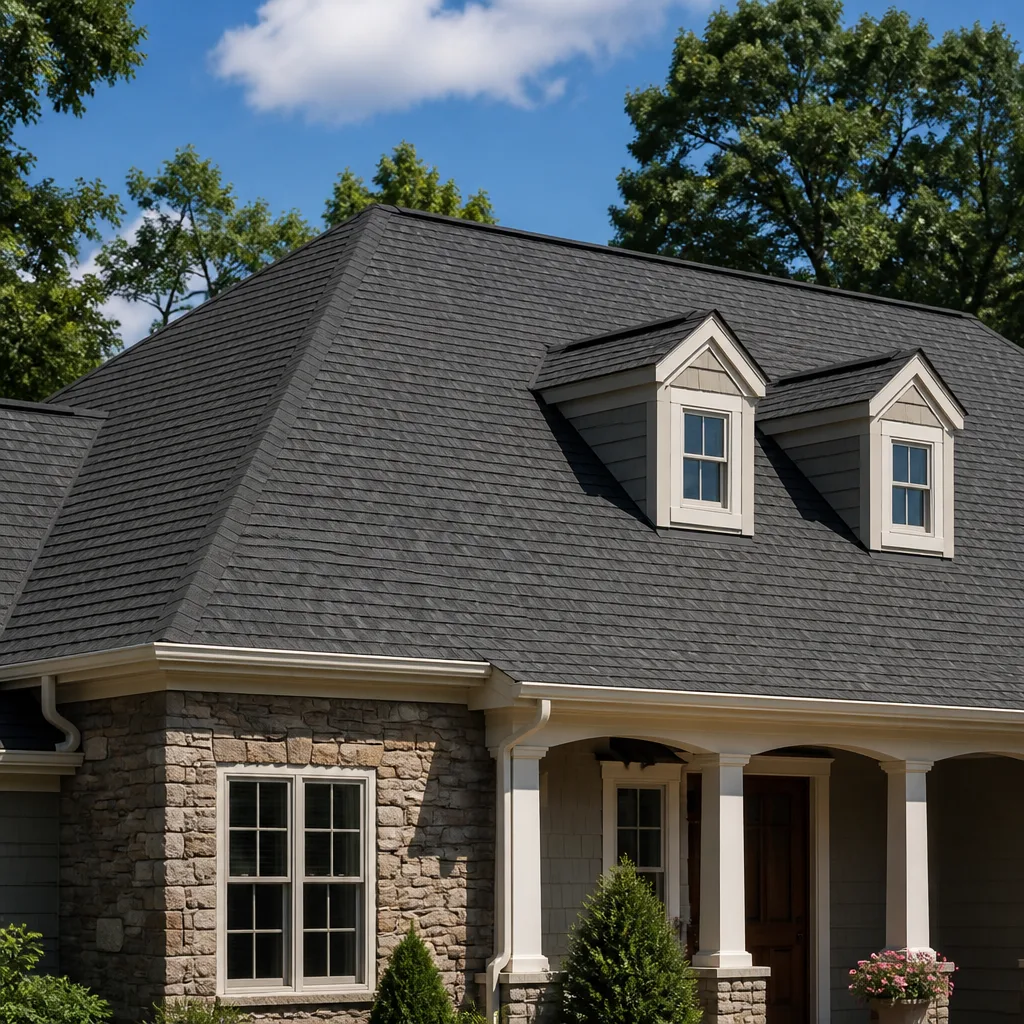
 Before
 After
After Before
 After
After Before
 After
AfterCambridge Pavers Kitchen Remodeling: The Long Beach Owner’s Guide
Cambridge Pavers kitchen remodeling in Long Beach typically runs $14,000-$45,000 installed, with most projects in the $22,000-$32,000 range depending on footprint and material grade. We stock and install Cambridge Pavers-compatible products across their full paving line, from the Sherwood series through Ledgestone XL, and we carry matching inventory for same-week starts on confirmed quotes. Most Long Beach homeowners discover their existing hardscape needs attention when settling cracks appear near the kitchen-to-patio transition, or when water pools against the foundation after rain - both signs the original installation lacked proper bedding or drainage slope.
Which Cambridge Pavers Models This Applies To
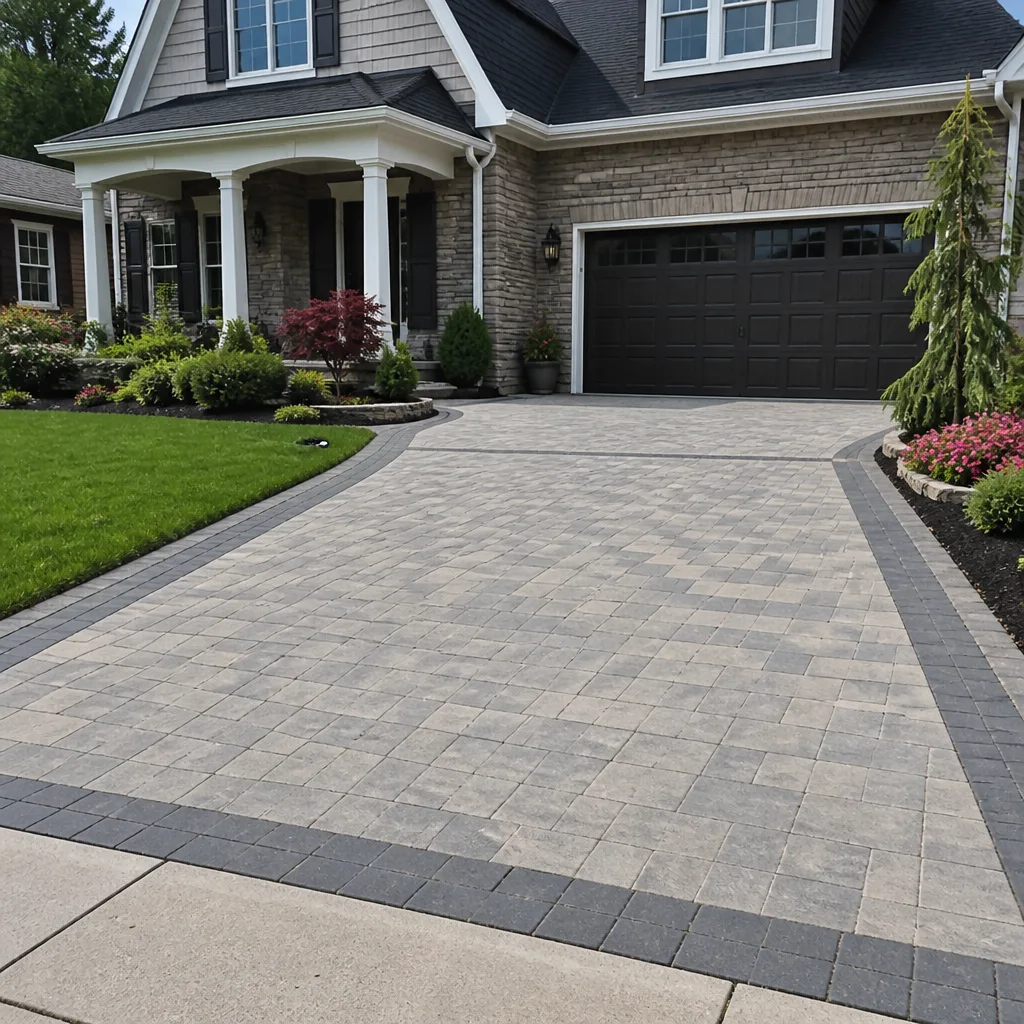
Cambridge Pavers produces several lines that integrate with kitchen remodeling projects in Long Beach, primarily as patio extensions, outdoor kitchen substrates, or walkway connections to the main house. The Sherwood series, with its 2-3/8″ thickness and beveled edge, is the most common match for residential kitchen-to-patio transitions we see in Belmont Shore and Naples. The Ledgestone XL, at 3-1/8″ thick, handles heavier load requirements for outdoor kitchen islands with built-in appliances. The Old World and RoundTable series appear frequently in Bluff Park renovations where homeowners want the paver aesthetic to read as established, not new.
To identify your existing Cambridge product, flip a loose paver or check any leftover stock from the original install. The production stamp on the underside shows the series name, the manufacturing plant code, and the batch date. Color matching is batch-sensitive; Cambridge’s Sahara or Toffee Tan can shift noticeably between production runs, which is why we photograph the existing surface under natural light and send the image to Cambridge’s New Jersey headquarters for batch verification before ordering. We are an independent service provider, not affiliated with Cambridge Pavers, but we maintain direct sourcing relationships that let us verify OEM color codes rather than guessing.
Aftermarket equivalents exist for the structural bedding and edge restraint components, but we specify Cambridge’s ArmorTec surface layer for any visible replacement units. The proprietary ceramic coating resists the salt air degradation that accelerates wear within three miles of Long Beach’s coastline. Generic pavers without equivalent surface hardening show efflorescence and color fade 30-40% faster in this climate, based on what we’ve tracked across our project records since 2007.
Signs Your Cambridge Pavers Kitchen Remodeling Is Failing
- Settlement cracks radiating from the kitchen threshold. This indicates the original base course was insufficiently compacted, or the bedding sand washed out during Long Beach’s occasional heavy winter storms. The pavers themselves are usually intact; the failure is in the substrate, which requires removal, regrading, and reinstallation on a properly compacted Class II base.
- Water pooling against the foundation wall after rain. Cambridge Pavers are permeable at the joints but not the surface. If the installation slope directs water toward the house rather than away, the kitchen foundation absorbs moisture. In Long Beach’s older Belmont Heights stock, we’ve seen this contribute to slab creep and door frame binding.
- Chipped or spalled paver edges at high-traffic transitions. The ArmorTec layer wears first at pinch points - the step down from kitchen to patio, or the grill station corner. Once the ceramic coating is breached, the underlying concrete matrix absorbs grease, wine, and irrigation water, then flakes in freeze-thaw cycles that do occur here during January cold snaps.
- Weeds or ant mounds erupting through joint sand. Polymeric sand breakdown happens faster when kitchen runoff carries organic debris into the joints. The sand hardens initially but degrades under repeated wet-dry cycling; ants colonize the voids, and their excavation undermines the bedding layer.
- Loose or rocking pavers underfoot. Individual units that shift when stepped on have lost bedding sand support, usually from edge restraint failure or localized base erosion. This is a trip hazard near any kitchen egress and tends to propagate; one loose paver overloads its neighbors.
 Before
 After
AfterReplacement Cost & What’s Included
| Component | Price Range (Long Beach) |
|---|---|
| Full kitchen remodel with Cambridge Pavers patio integration | $14,000-$45,000 |
| Cambridge Pavers patio replacement (existing kitchen, new hardscape) | $3,500-$11,000 |
| Outdoor kitchen island on Cambridge substrate | $3,000-$10,000 |
| Countertop installation (Cambria, Silestone, or equivalent) | $2,000-$6,500 |
| Backsplash installation | $800-$2,500 |
| Cabinet installation (KraftMaid, Wellborn, or equivalent) | $4,000-$13,000 |
The $14,000-$45,000 range for full kitchen remodeling with Cambridge Pavers integration reflects three variables: square footage, structural requirements, and finish grade. A straightforward patio replacement with existing drainage and stable soil sits at the lower end. Projects requiring retaining walls, gas line extension for outdoor appliances, or foundation waterproofing before paver installation move toward the upper range. Every quote we deliver is a flat written price with line-item breakdown - materials, labor, permits, and disposal - before any work starts. Under Clause 1 of the Haven Standard, that number does not change unless you sign a change order. We’ve kept projects within 3% of the agreed price across 4,000-plus jobs since 2007 by enforcing that discipline.
The price includes removal and disposal of existing hardscape, import and compaction of Class II base rock to 95% relative density, bedding sand screeded to 1″ thickness, Cambridge Pavers laid to pattern with 1/8″ joints, polymeric sand activation, and edge restraint anchoring. We pull permits when the project touches foundation drainage or gas lines, and we pass inspection before final payment. The 365-Day Done Right Promise covers the installation; Cambridge’s limited lifetime warranty covers the pavers themselves against manufacturing defect.
DIY or Call Us?
Homeowners can safely assess several items before calling. Check the paver stamp for series identification if you have a loose unit. Photograph the failure pattern - radial cracks suggest base failure, isolated chips suggest impact or wear. Verify whether water drains away from the foundation within ten minutes of hose shutoff; standing water indicates a grading problem, not just surface wear.
Where DIY goes wrong is in the base preparation. Cambridge Pavers require 4-6″ of compacted Class II base beneath the bedding sand, with each lift compacted separately. Most rental plate compactors achieve 85-90% density in inexperienced hands; we use a reversible plate compactor and verify with a nuclear density gauge. The consequence of under-compaction is settlement within 18-24 months, and because the pavers interlock, the failure spreads. Excavation to proper depth also risks utility strikes; Long Beach’s older neighborhoods have shallow gas lines and unmapped irrigation that we’ve learned to locate before digging.
Measure twice, write it down, then build it. If the project involves gas lines, electrical for outdoor kitchen appliances, or foundation waterproofing, those trades require licensed specialists. Call (424) 567-7009 to schedule your free estimate. We’ll photograph the existing conditions, verify the Cambridge series and color code, and deliver a written price before any work starts.
FAQs
Properly installed Cambridge Pavers with ArmorTec surfacing last 25-30 years in Long Beach’s coastal environment, though the polymeric sand joints require refreshment every 7-10 years. The salt air within two miles of the beach accelerates surface wear on uncoated concrete pavers by roughly 30%; ArmorTec’s ceramic layer mitigates this. Call (424) 567-7009 for an exact quote on your specific installation - estimates are free.
Individual pavers can be lifted and reinstalled if the base is sound and the failure is isolated to joint sand or edge restraint. If settlement cracking, base erosion, or drainage failure is present, spot repair fails within two years because the underlying problem propagates. We assess this during our site visit and document the base condition with photos you receive as part of our standard deliverable. Call (424) 567-7009 for an exact quote - estimates are free.
A typical kitchen-to-patio integration with Cambridge Pavers runs 3-5 weeks from permit approval to final inspection, assuming no foundation or drainage complications. The paver installation itself is 3-5 days after base preparation. Cabinet and countertop lead times from KraftMaid, Cambria, or Silestone add 4-8 weeks depending on the line; we coordinate delivery so the hardscape and interior finishes complete in sequence, not in conflict. Call (424) 567-7009 for an exact quote and timeline - estimates are free.
We stock the most common Cambridge series in our Long Beach warehouse - Sherwood, Ledgestone XL, and Old World in the colors that move fastest locally: Sahara, Toffee Tan, and Bluestone Blend. Less common colors and the RoundTable series ship from Cambridge’s New Jersey facility in 2-3 weeks. We verify color match against your existing installation before ordering, and we do not start demolition until materials are on-site. Call (424) 567-7009 for an exact quote - estimates are free.
Written by Grant Rowan, Owner, Rowan Construction Group Long Beach at Rowan Construction Group Long Beach, serving Long Beach and nearby areas.