
Free written scope consultation - allowances, timeline, and change-order rules on paper before a single trade is scheduled
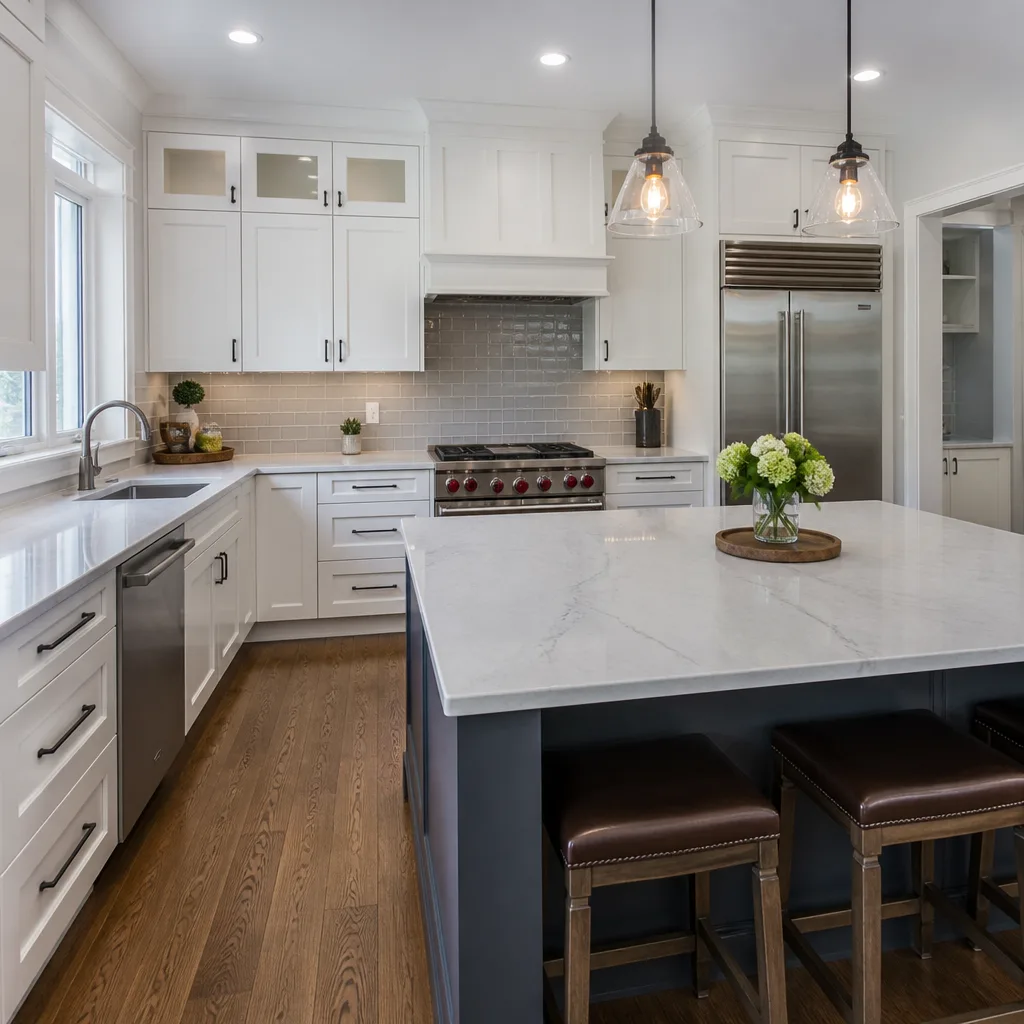
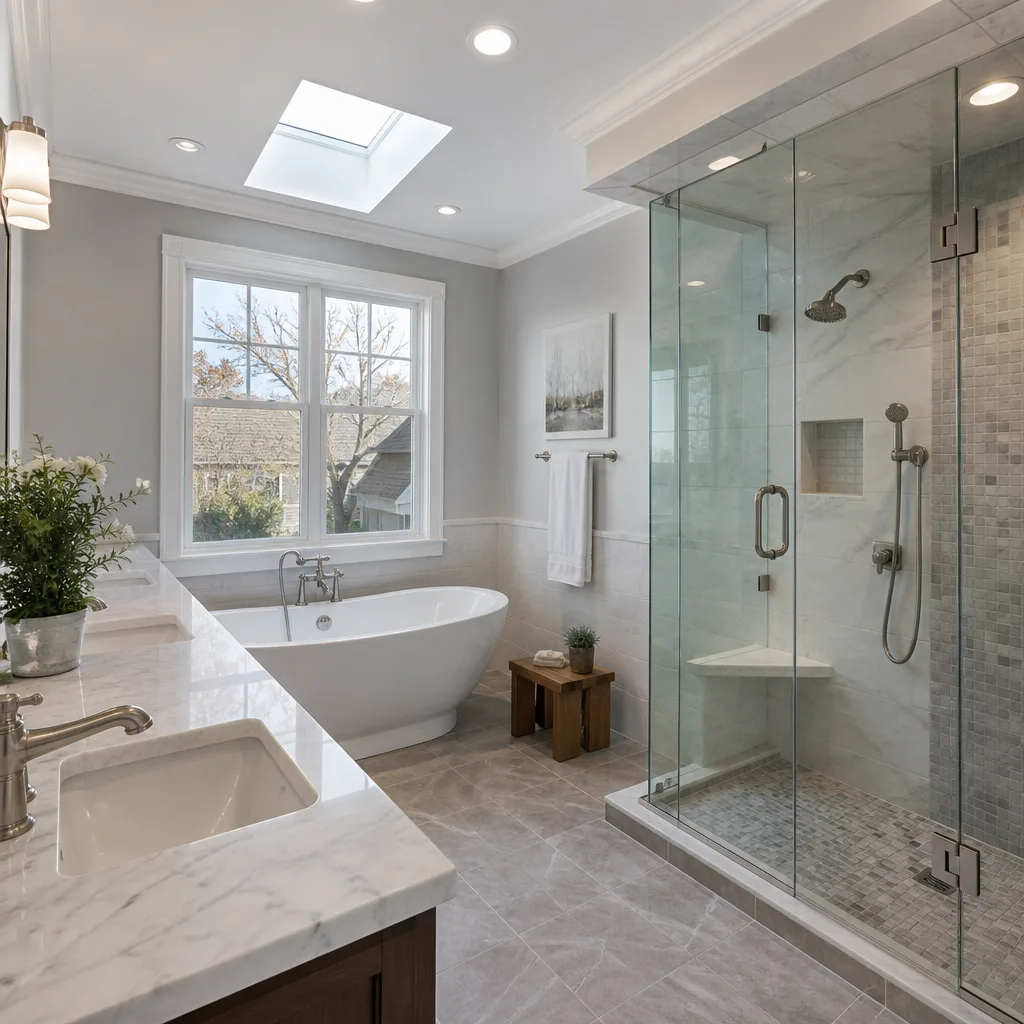
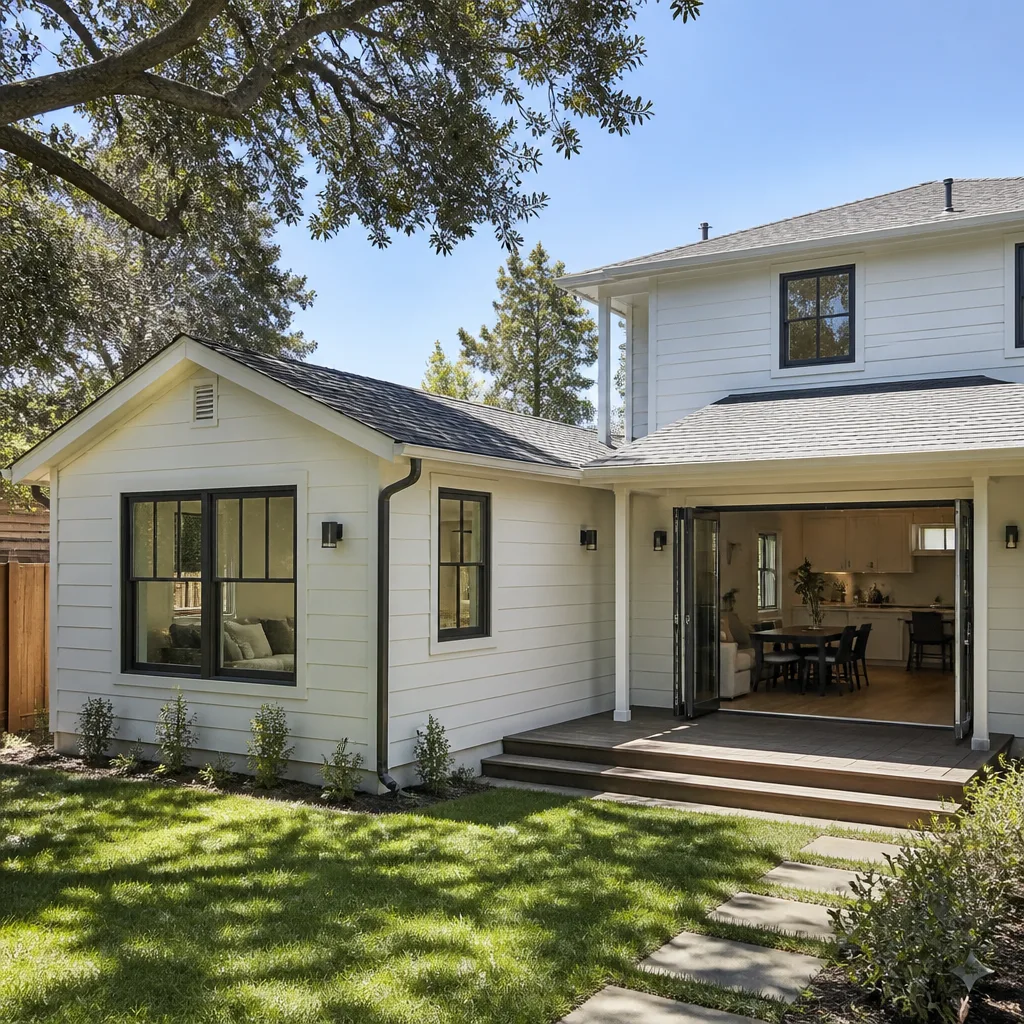
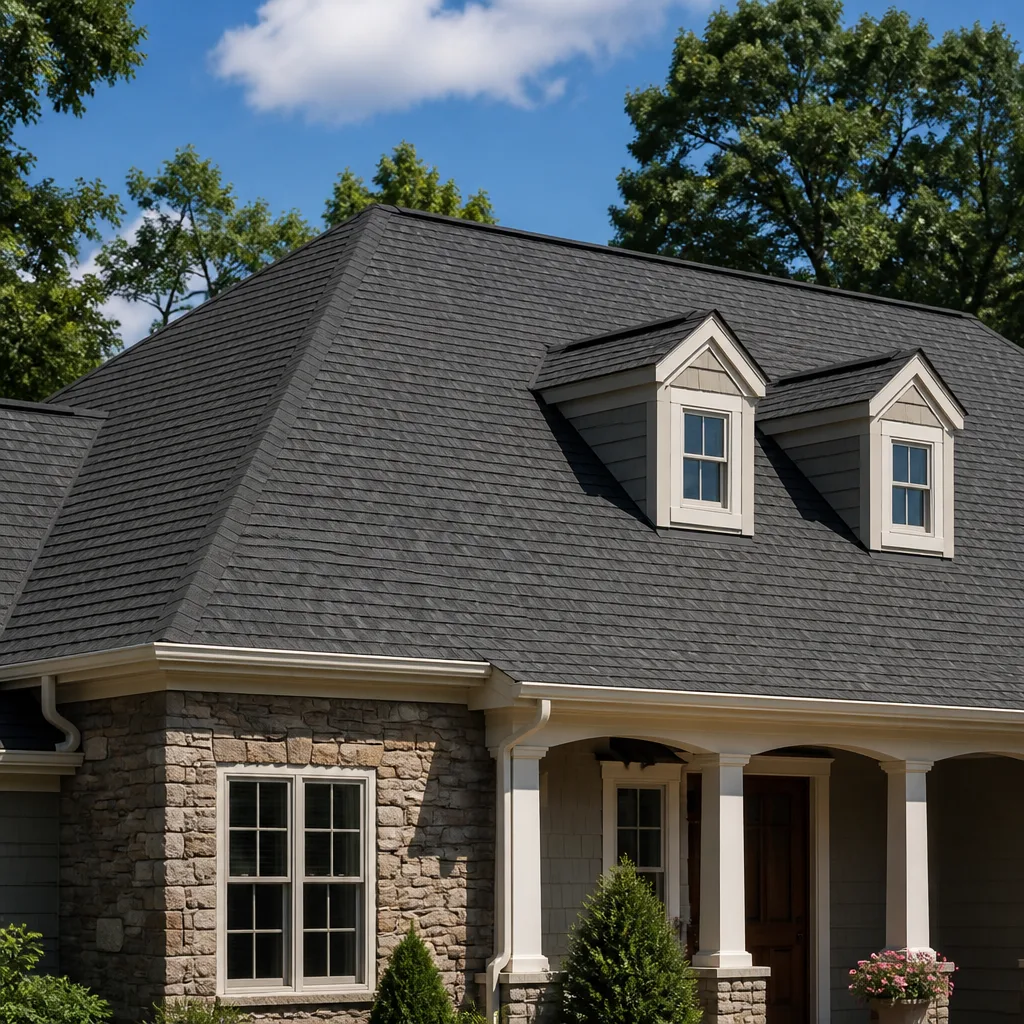
 Before
 After
After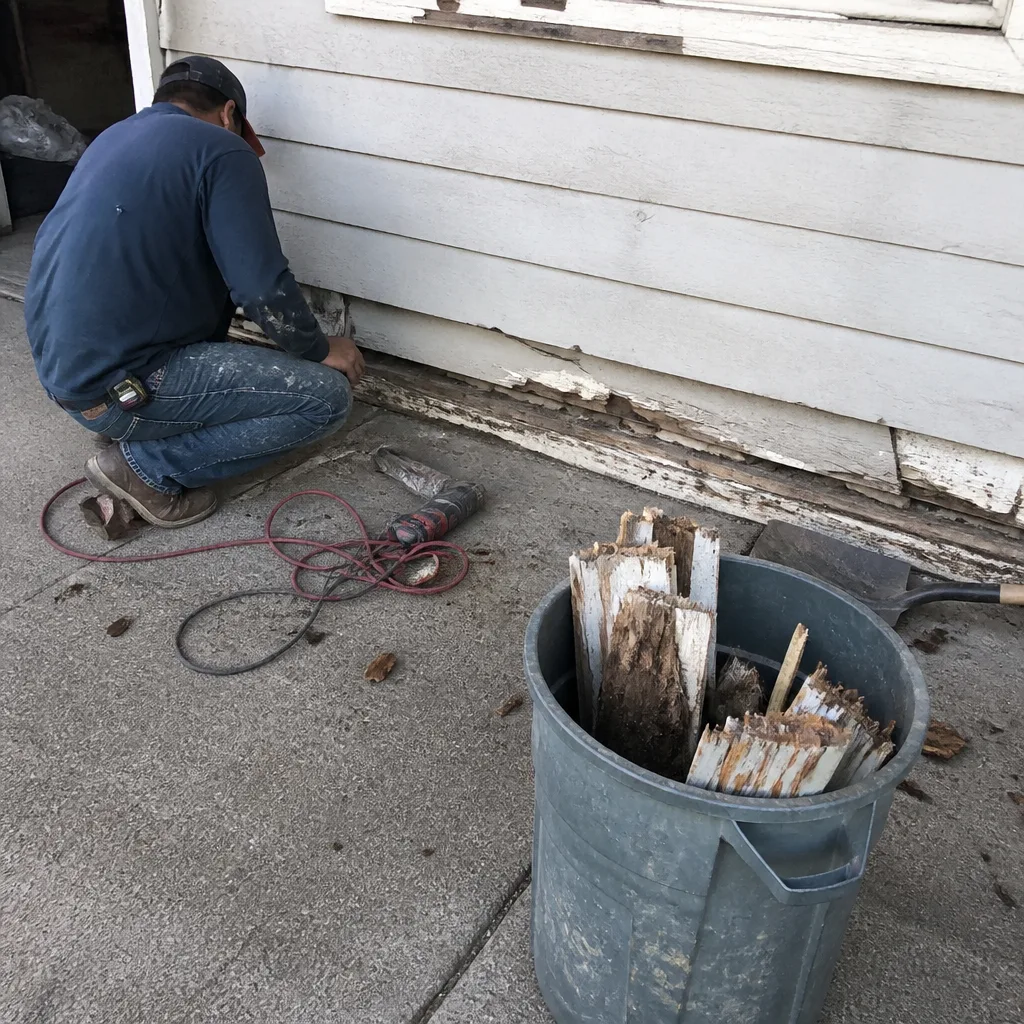 Before
 After
After Before
 After
AfterJames Hardie Driveway & Pavers: The Long Beach Owner’s Guide
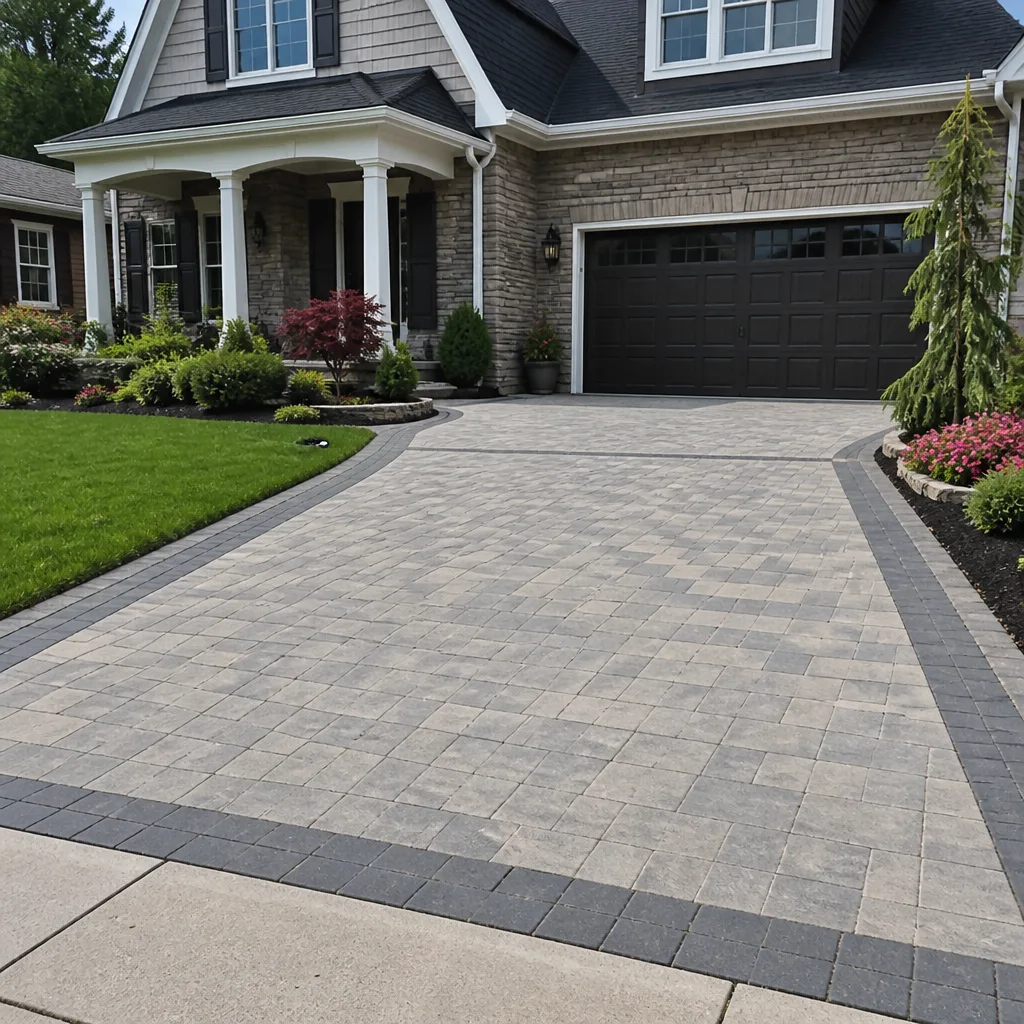
James Hardie does not manufacture driveway pavers or hardscape products - the brand’s core line is fiber-cement siding, trim, and backerboard. When Long Beach homeowners search “James Hardie driveway & pavers,” they’re typically looking for Hardie-compatible trim, edge restraints, or moisture-management components that integrate with paver systems on properties already clad in Hardie siding. We stock and install these transition pieces, with typical installed costs for paver driveway edge restraint and drainage integration running $7,000-$18,000 for a full paver driveway installation in Long Beach, or $350-$900 for targeted Hardie-to-paver transition repair. Most calls start the same way: water pooling where the driveway meets the house, or fiber-cement trim swelling at the grade line because the original installer didn’t specify a proper weep screed or drainage gap.
Which James Hardie Models This Applies To
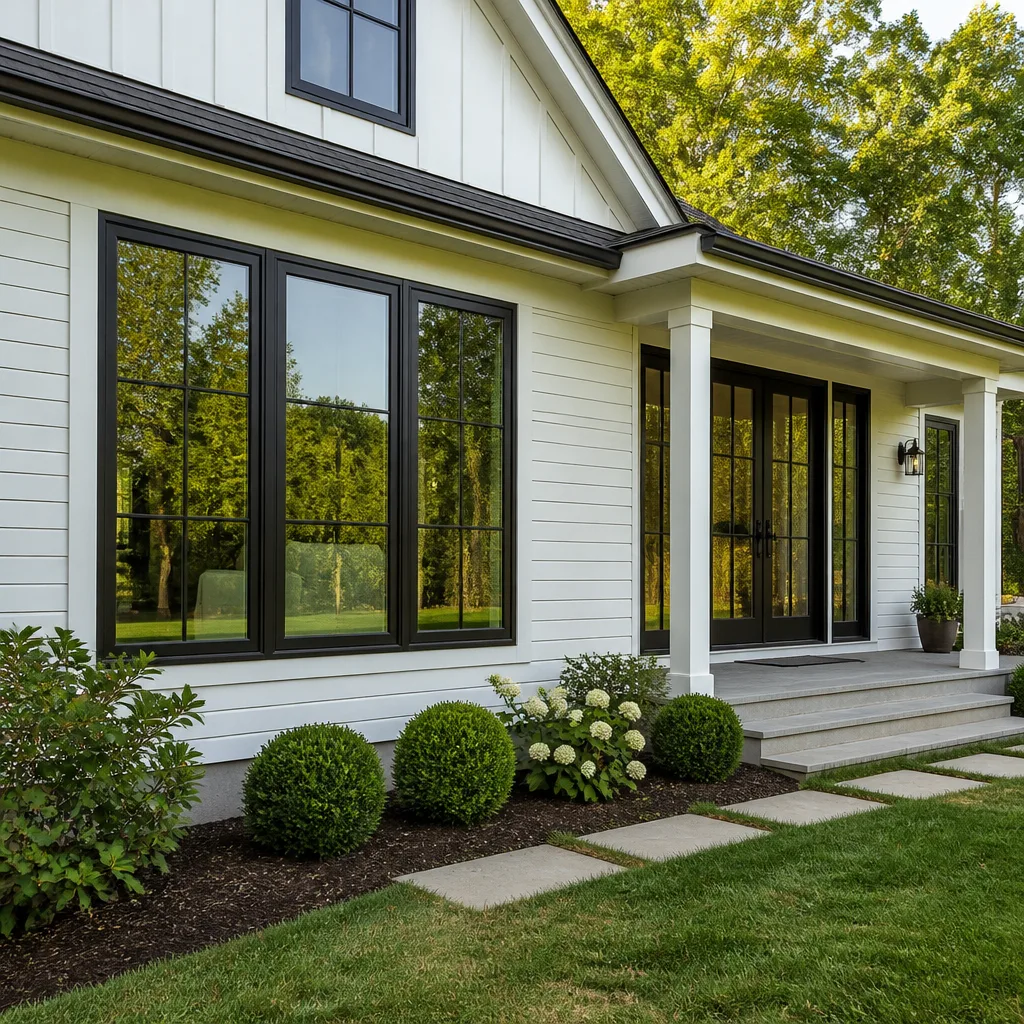
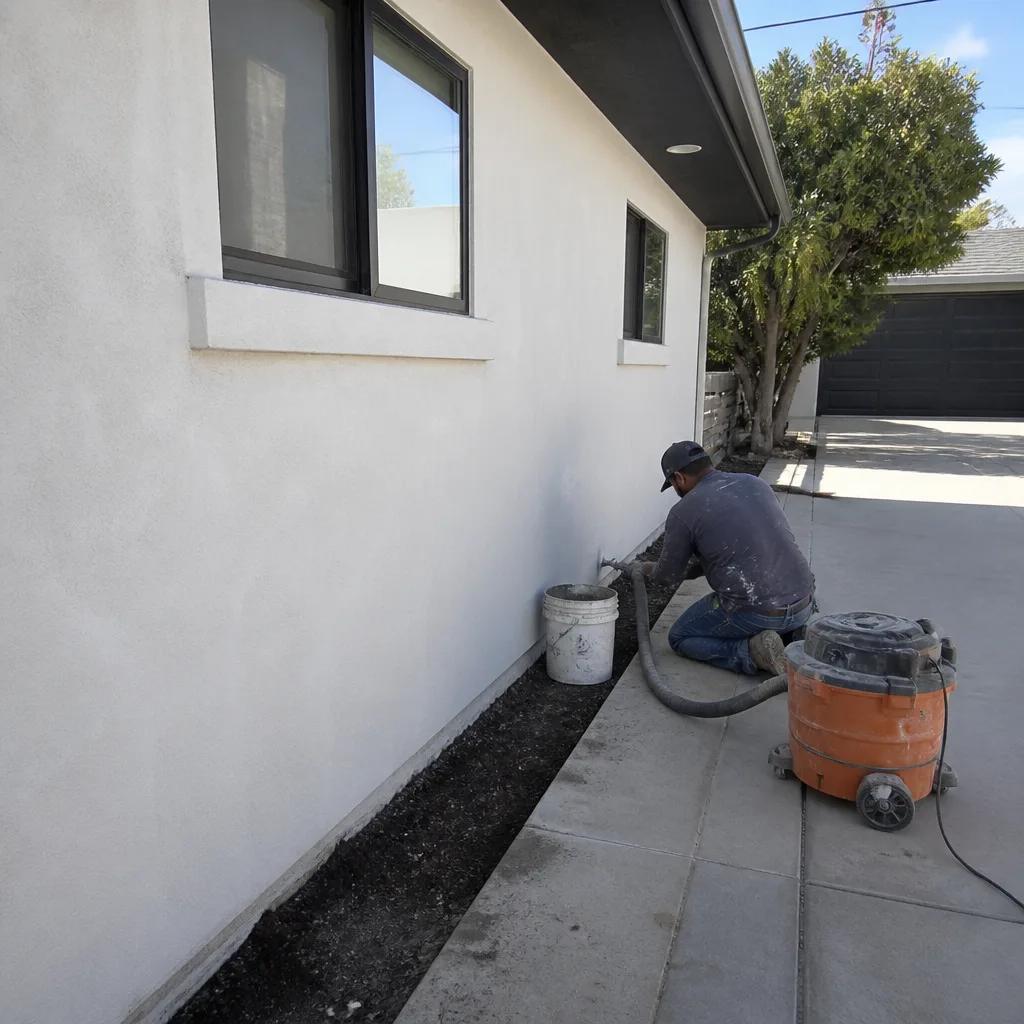
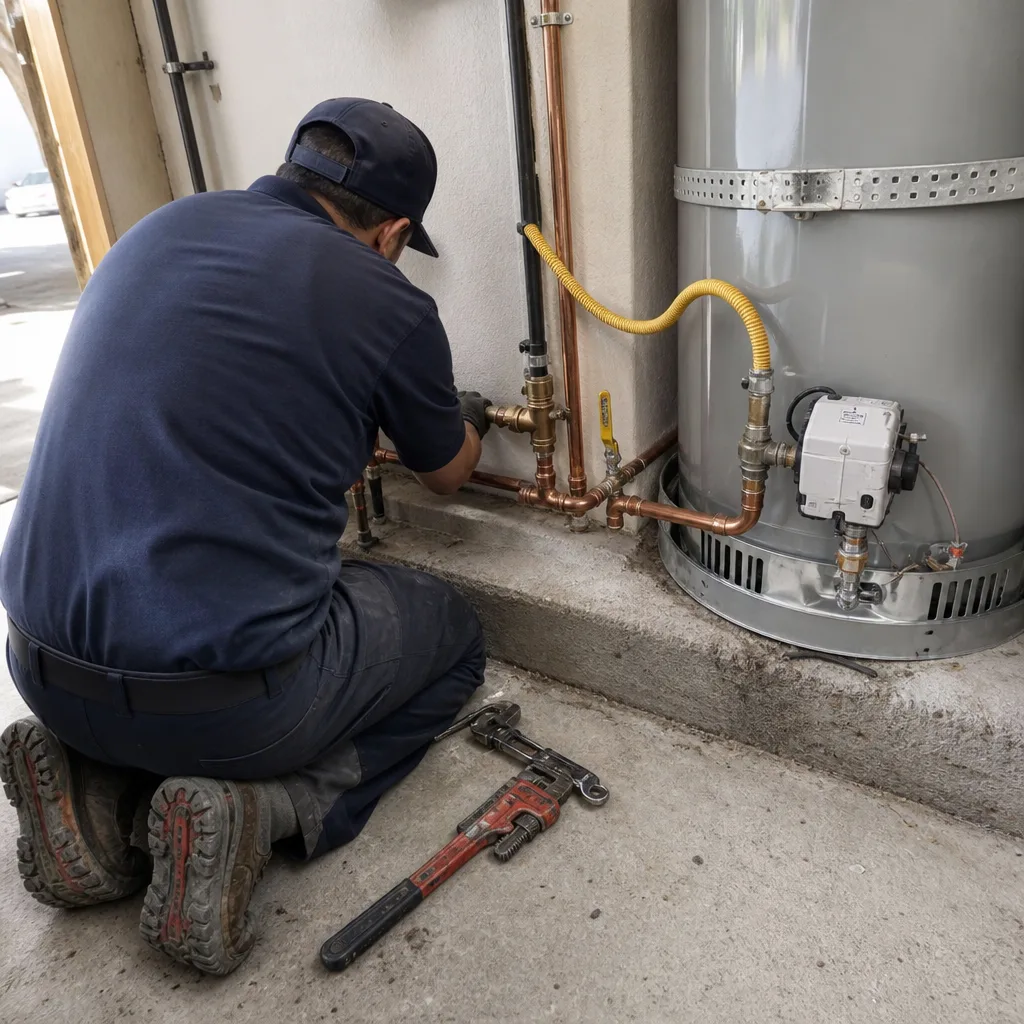
The compatibility issue isn’t a paver model - it’s the Hardie trim and siding series that terminate at grade. We most often see this on homes with HardiePlank lap siding, HardiePanel vertical siding, or HardieTrim boards in the NT3 (non-textured) or rustic-series profiles. The critical spec is the clearance above finished grade: Hardie requires 6 inches minimum between grade and the bottom of siding, and 2 inches minimum for trim, per their installation guidelines. In Long Beach, where lot grading is often flat and winter rains can sit against foundations, we find original installers cheated this gap to achieve a cleaner look.
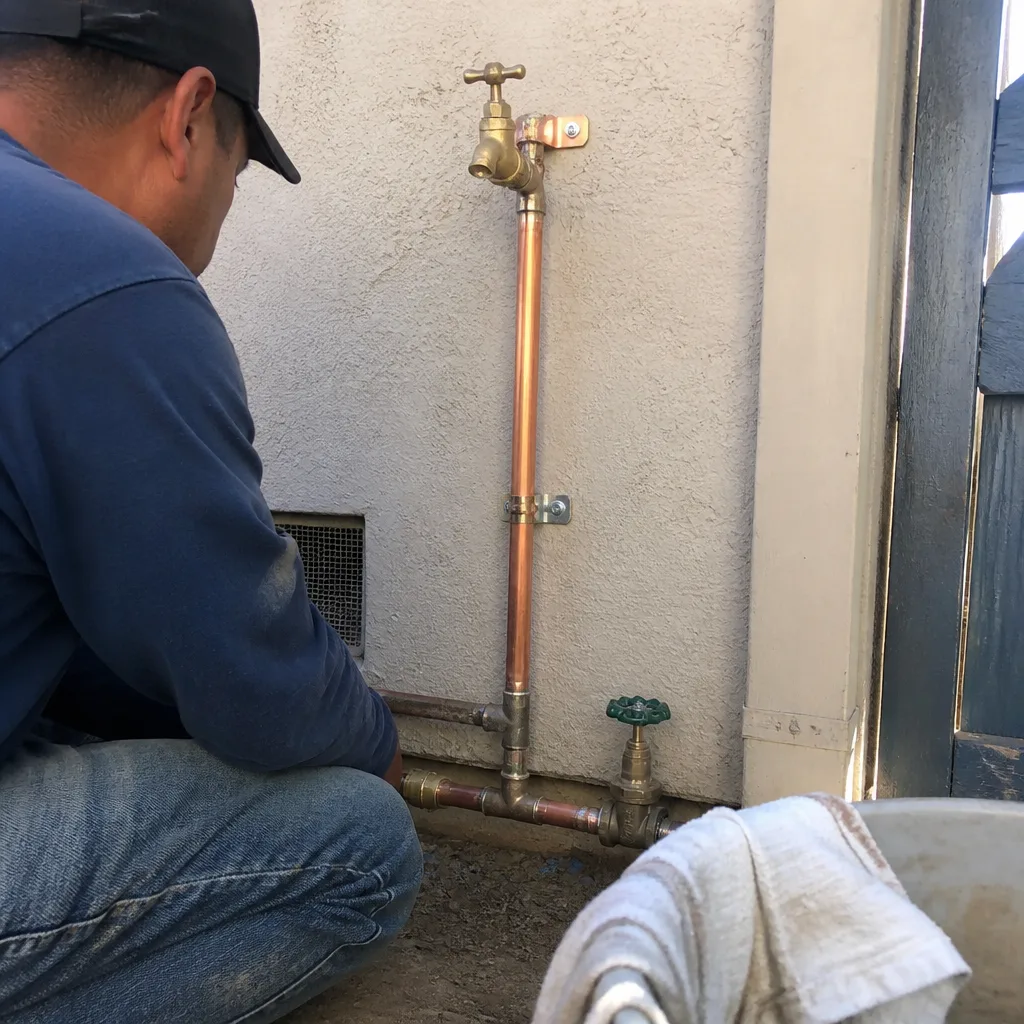
To identify what you need, check the label stamp on the existing Hardie board (usually on the back, visible if you remove a piece). The product code tells us the thickness - 5/16 inch for most Plank, 7/16 inch for Panel - which determines the correct Z-flashing or drip edge profile we’ll integrate with your paver restraint system. OEM Hardie accessories like the HardieTrim corner and fascia boards are our first choice for color match; for drainage components, we often spec VaproShield or equivalent compatible membranes because Hardie does not manufacture its own below-grade drainage line. The aftermarket equivalent saves 15-20 percent on material but requires careful verification of permeability ratings, which we test before specifying.
Signs Your James Hardie Driveway & Pavers Is Failing
- Swelling or delamination at the grade line. Fiber-cement absorbs moisture when the factory seal is compromised or when it’s installed below clearance spec. In Long Beach’s marine climate, salt air accelerates the wicking. The board feels spongy and the paint bubbles from behind - this is not a paver problem, but it’s why you’re calling.
- Efflorescence blooming on pavers directly against the house. White mineral deposits mean water is trapped in the bedding layer with no escape path. We trace this to missing or crushed weep screed that should have been installed behind the Hardie trim before pavers went in.
- Settlement cracking in a wedge pattern near the foundation. The edge restraint failed because it was anchored through Hardie trim into nothing, or because thermal expansion of the fiber-cement pushed against rigid concrete paver edging. Long Beach’s temperature swings aren’t extreme, but they’re enough to fatigue a bad detail over five to seven years.
- Termite shelter tubes climbing the foundation. Subterranean termites in Southern California exploit any wood-to-ground or wood-near-ground contact. Hardie is not wood, but the furring strips behind it often are, and when grade is raised with paver bedding sand, those strips become a bridge.
- Interior drywall staining at baseboards on the driveway-adjacent wall. Water is making it past the Hardie-to-paver junction, through compromised building paper or missing peel-and-stick membrane, and into the wall cavity. This is the symptom that costs the most if ignored.
 Before
 After
AfterReplacement Cost & What’s Included
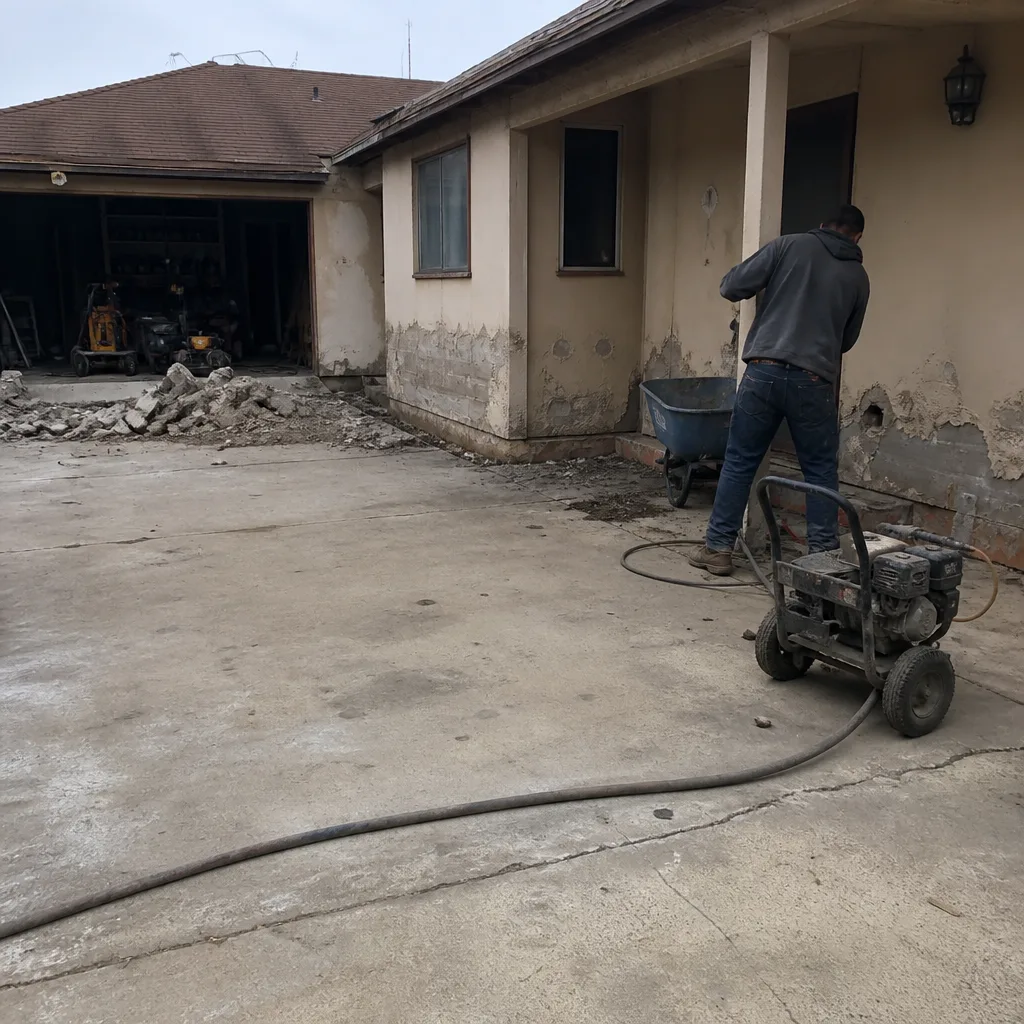
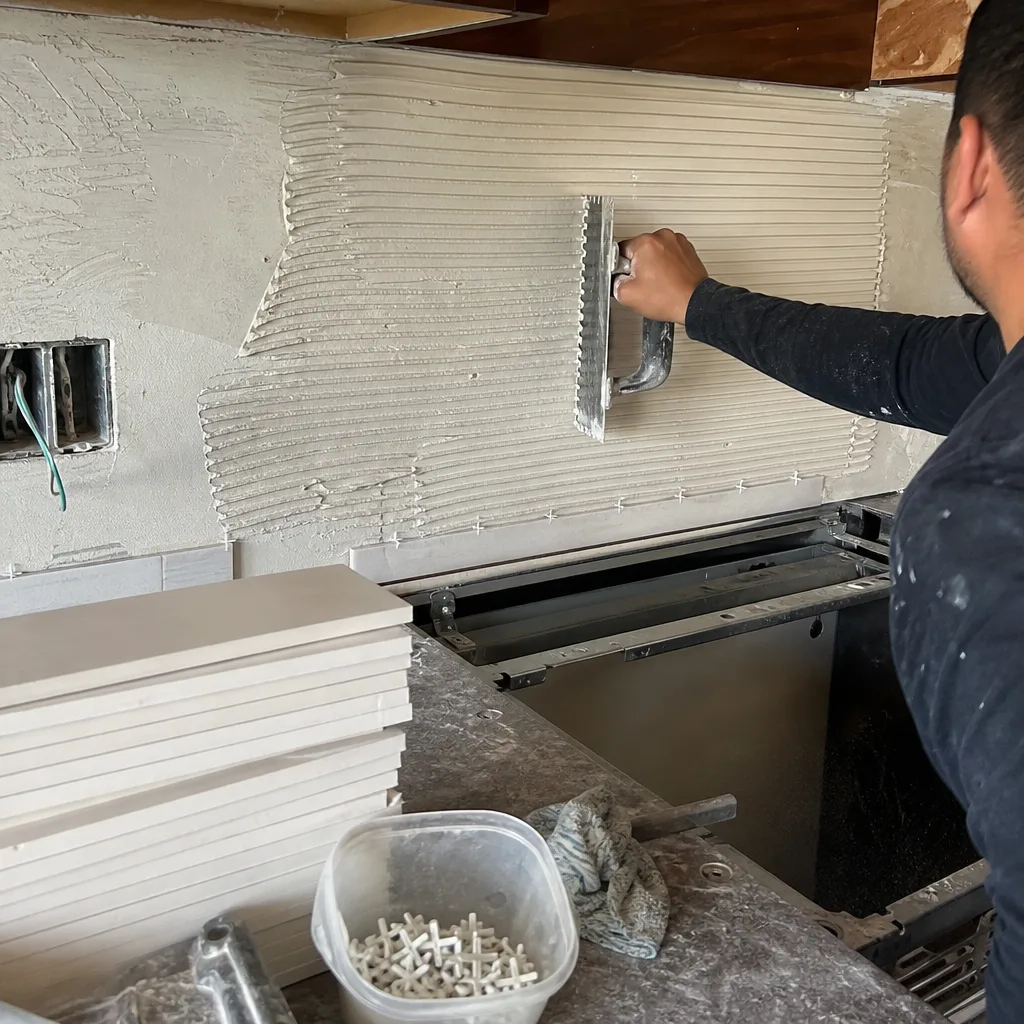
For a full paver driveway replacement with proper Hardie transition detailing in Long Beach, our installed range is $7,000-$18,000 depending on square footage, paver selection (Belgard and Techo-Bloc are our standard stocked lines), and whether we need to remove and re-install existing Hardie trim to correct the original clearance violation. A targeted repair - removing 4-6 feet of grade-adjacent Hardie, installing proper flashing and weep screed, and re-setting the paver edge - typically runs $1,200-$2,800.
Every quote is flat and written before work starts, per Clause 1 of the Haven Standard. The number includes demolition, disposal, new Hardie accessories color-matched to existing, compatible drainage membrane, paver edge restraint (aluminum or concrete, depending on load), bedding sand reset, and polymeric sand joint fill. Our 365-Day Done Right Promise covers the workmanship; manufacturer warranties cover the materials. We pull permits when the work touches the building envelope, which in Long Beach means any Hardie removal exposing framing or sheathing.
DIY or Call Us?
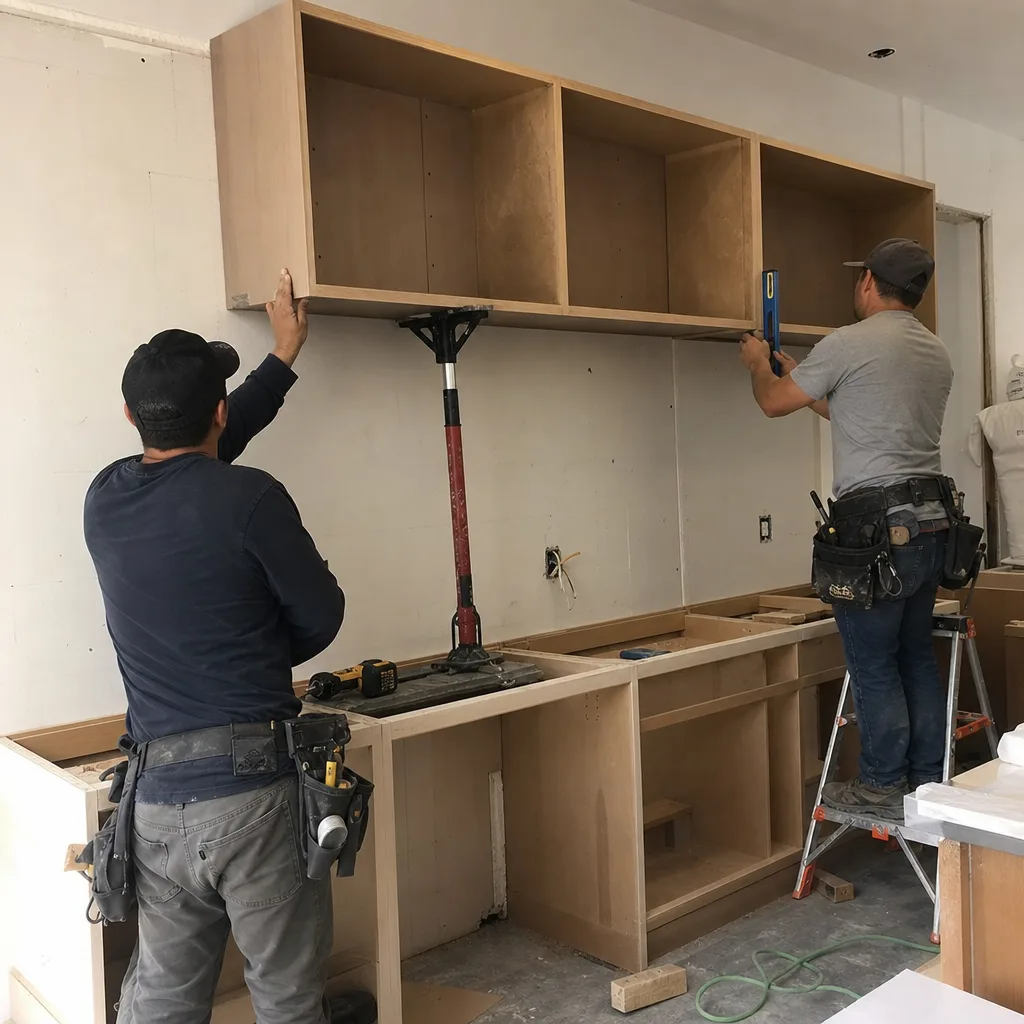
There’s a safe middle ground and a hard stop. An owner can check the grade clearance with a tape measure - 6 inches to siding, 2 inches to trim - and photograph any swelling or staining for documentation. You can also verify whether downspouts dump directly onto the paver bed, which is a common contributing factor we see in Belmont Shore and Naples.
Where DIY goes wrong is in the sequencing. Removing Hardie trim without supporting the courses above, or cutting fiber-cement without HEPA vacuum extraction, creates immediate structural and health hazards. The silica dust from Hardie products is genuinely dangerous; OSHA requires specific controls we maintain on every truck. And installing a weep screed behind existing trim while maintaining proper slope demands removal of more material than most homeowners expect. Call (424) 567-7009 and we’ll give you a written price for the scope - no charge for the estimate, and we’ll show you exactly what we found with our documented photo record.
FAQs
In Long Beach’s marine Zone 3 climate, a properly installed detail with correct clearance and drainage should last 20-30 years, matching the Hardie siding warranty period. We regularly see failures at 5-8 years when the original installer skipped the weep screed or set grade too high. Call (424) 567-7009 for an exact quote - estimates are free.
Pavers within 3-4 feet of the house usually need removal to access the transition detail properly, but we can often salvage and reinstall them if they’re in good condition and the color hasn’t been discontinued. Beyond that zone, the driveway typically stays intact. We inventory Belgard and Techo-Bloc lines for cases where matching fails. Call (424) 567-7009 for an exact quote - estimates are free.
Most targeted Hardie-to-paver repairs take one to two working days; full driveway replacements with integrated detailing run four to seven days depending on square footage and permit timing. We don’t start until the written price is signed, and no change proceeds without a signed change order. Call (424) 567-7009 for an exact quote - estimates are free.
We stock common HardieTrim profiles in our Long Beach warehouse and maintain same-day availability for standard 5/16-inch and 7/16-inch accessories. ColorPlus finishes sometimes require a 7-10 day factory order if your existing shade is from a discontinued lot - we’ll verify this during the estimate and show you the match under natural light before ordering. Call (424) 567-7009 for an exact quote - estimates are free.
Rowan Construction Group Long Beach is an independent service provider and is not affiliated with James Hardie. We also stock parts and materials for KraftMaid, Cambria, and Silestone installations.
Grant Rowan likes to say, “Measure twice, write it down, then build it.” That sequence is what keeps our projects within a few percent of the agreed price, the same way it has since 2007.
Written by Grant Rowan, Owner, Rowan Construction Group Long Beach at Rowan Construction Group Long Beach, serving Long Beach and nearby areas.