
Last updated September 24, 2026
Free written scope consultation - allowances, timeline, and change-order rules on paper before a single trade is scheduled
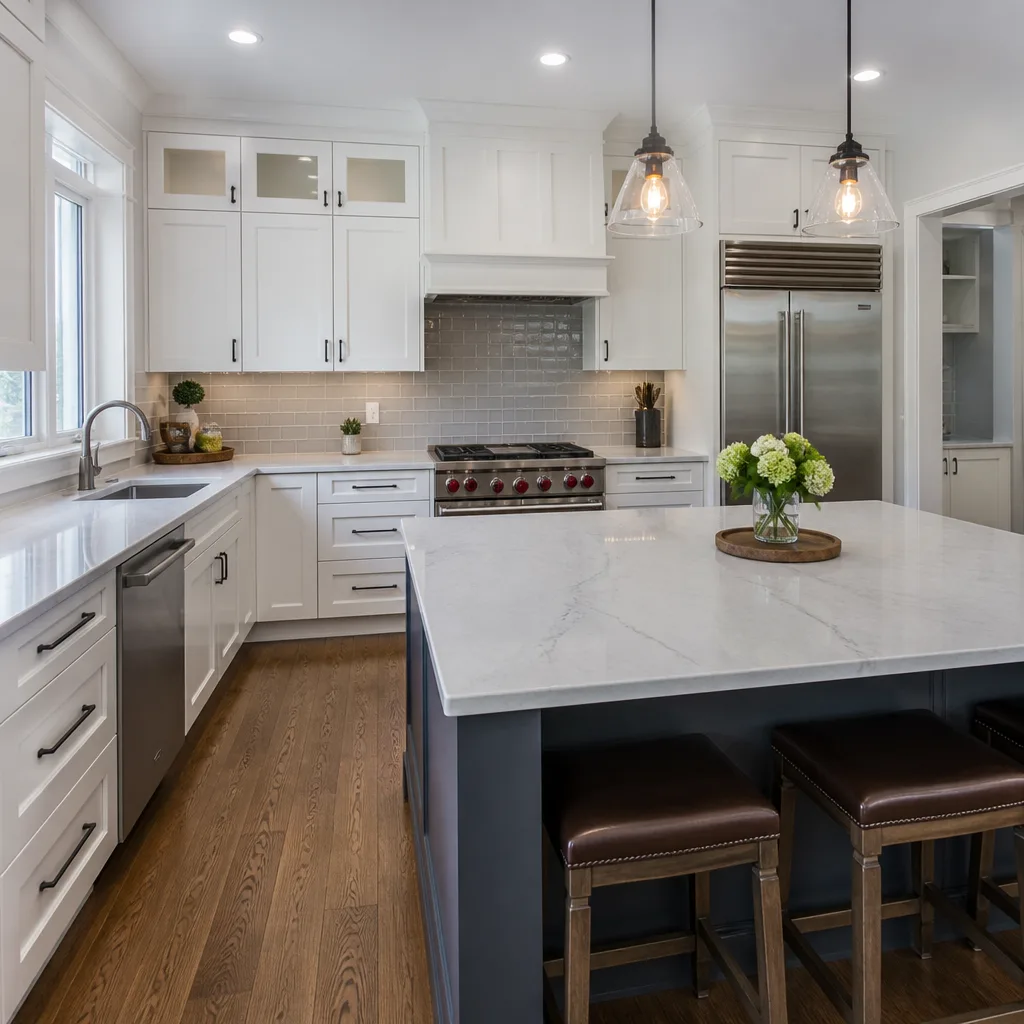
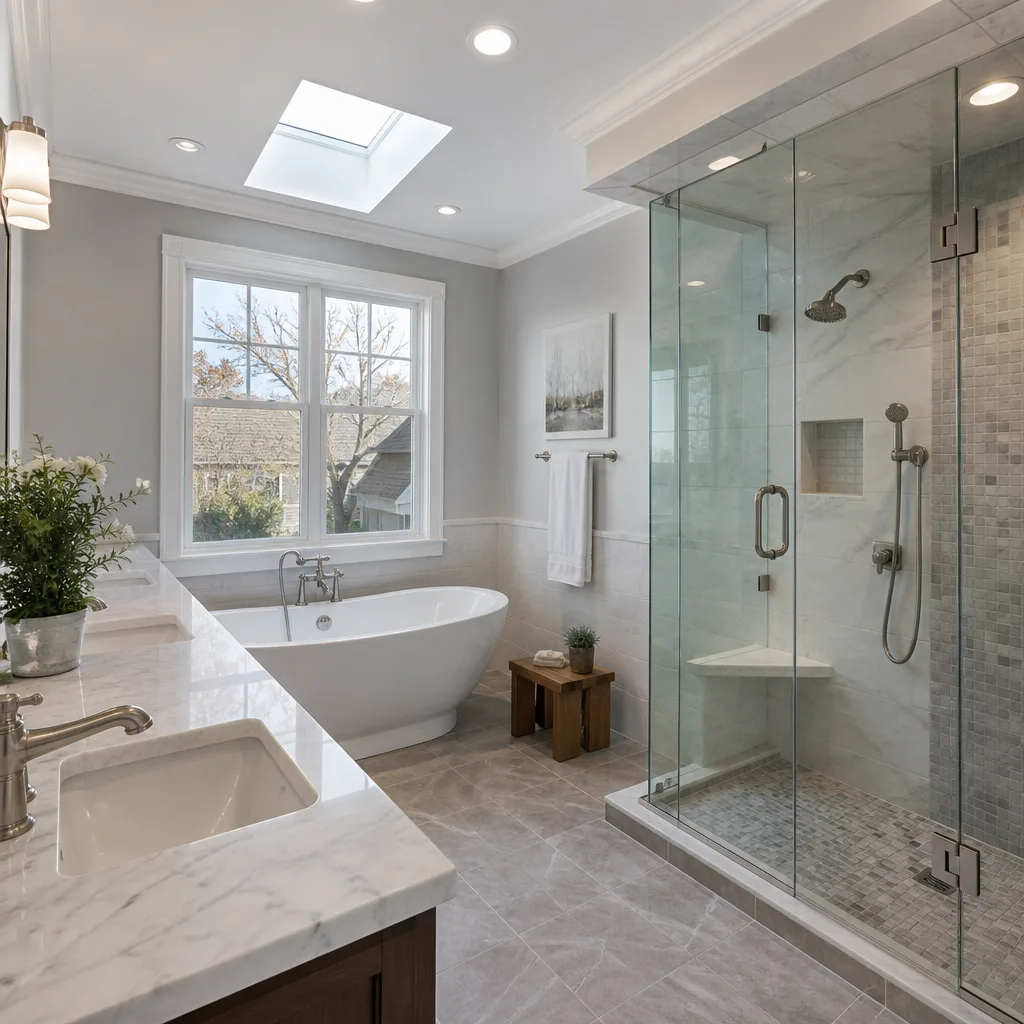
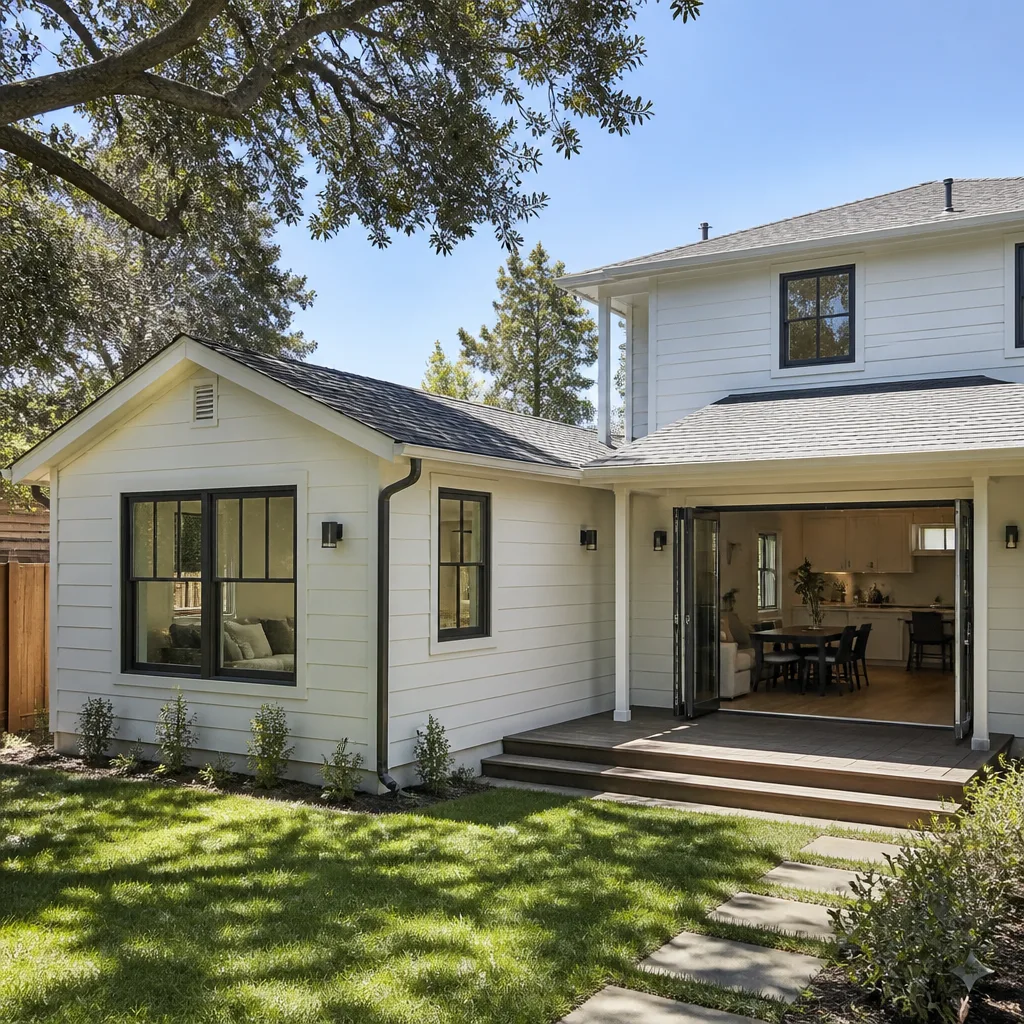

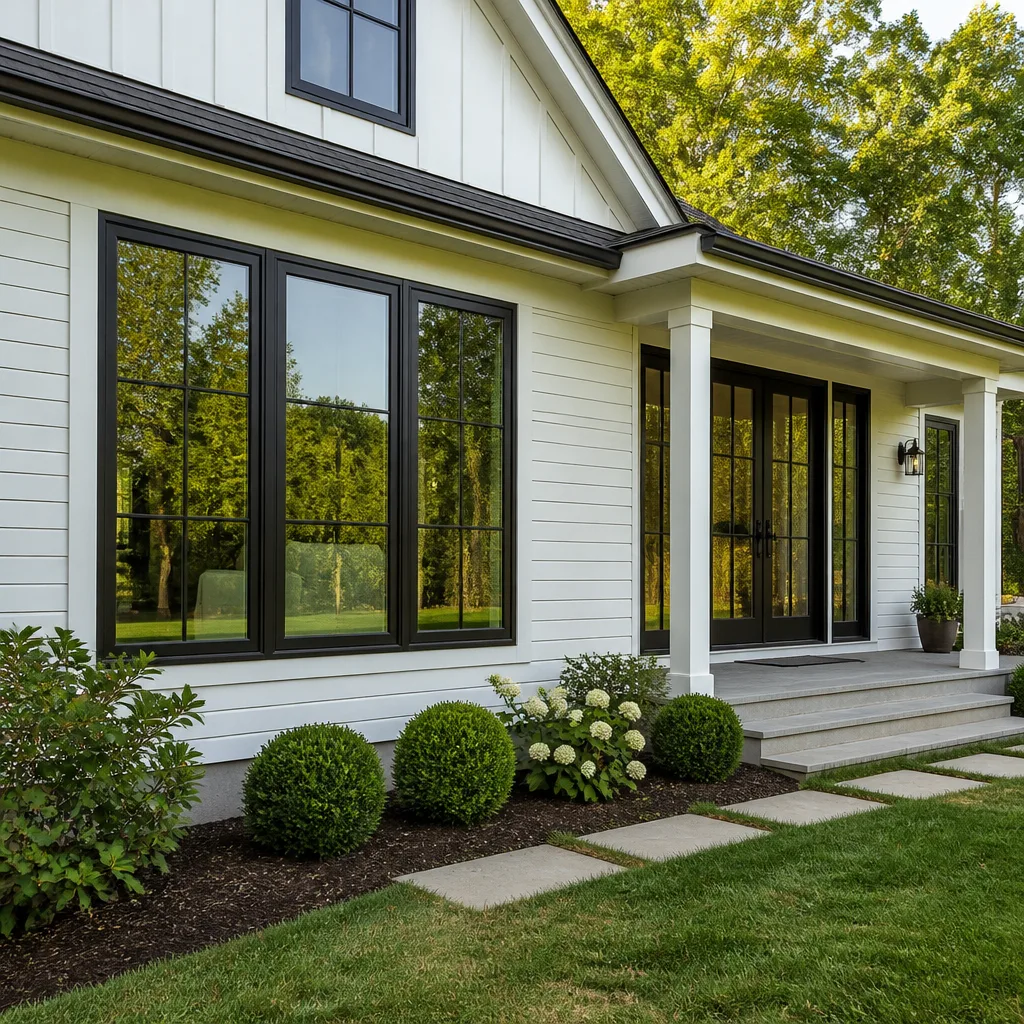
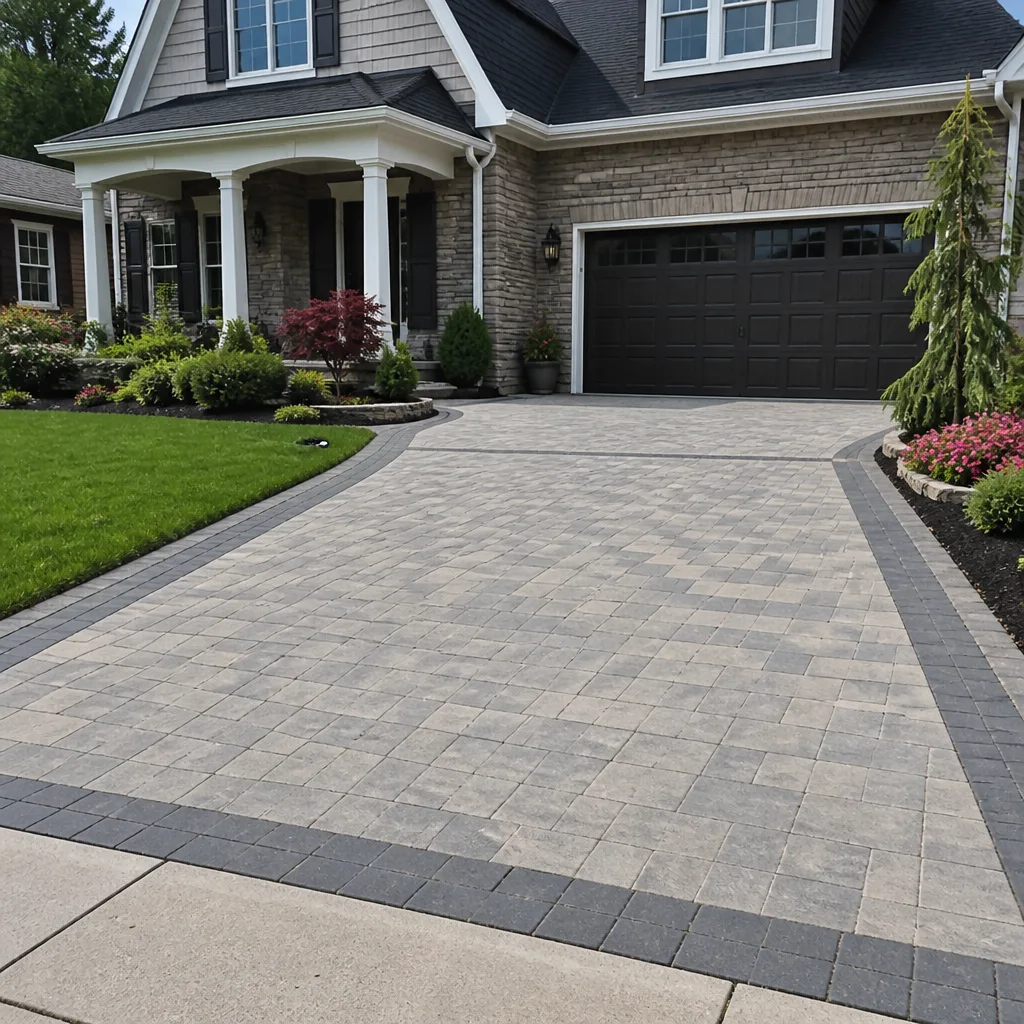
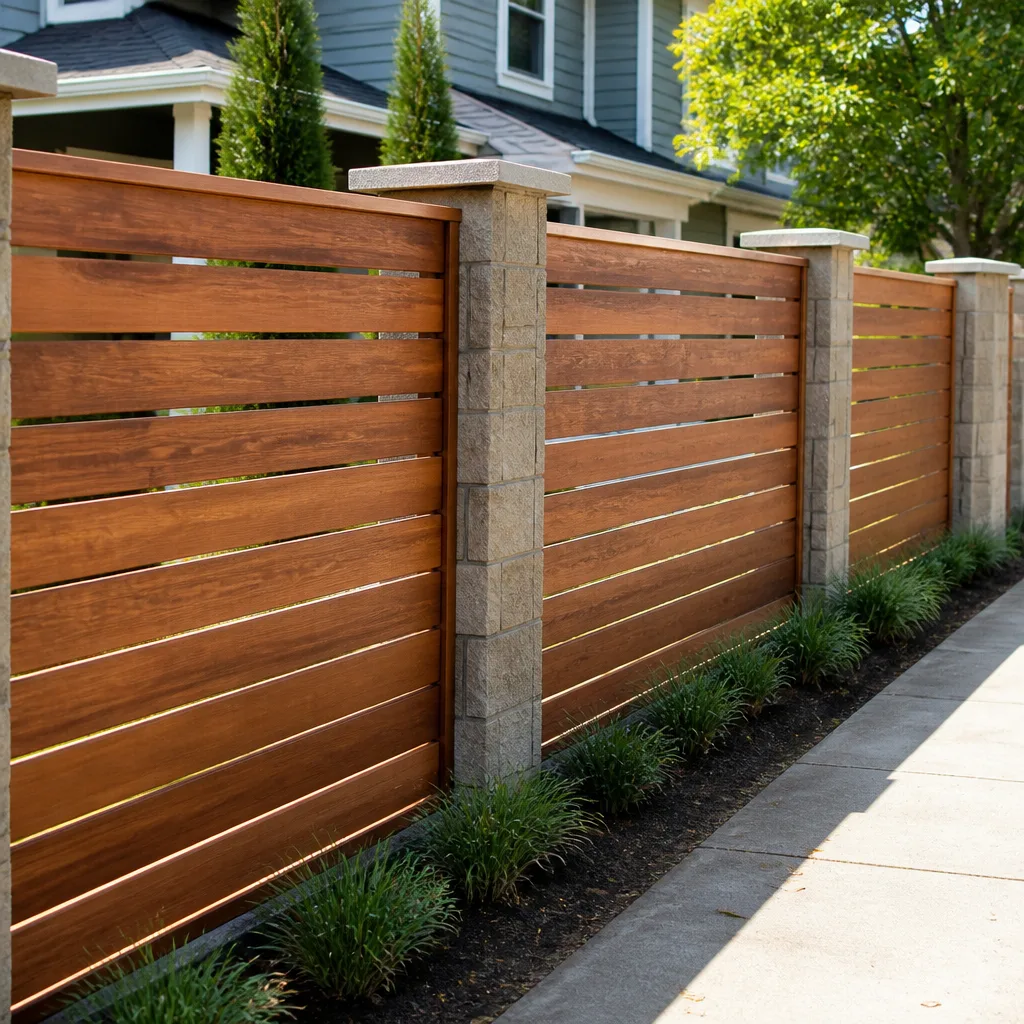
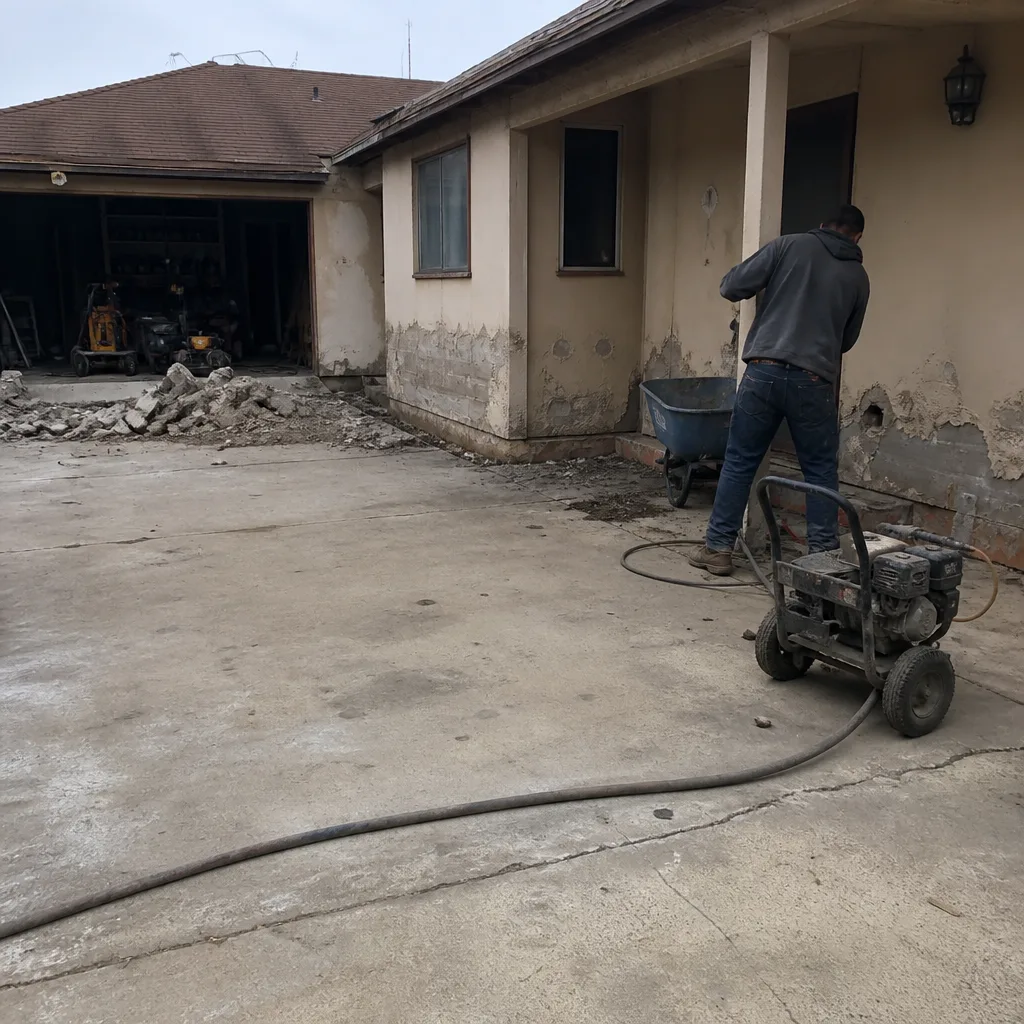 Before
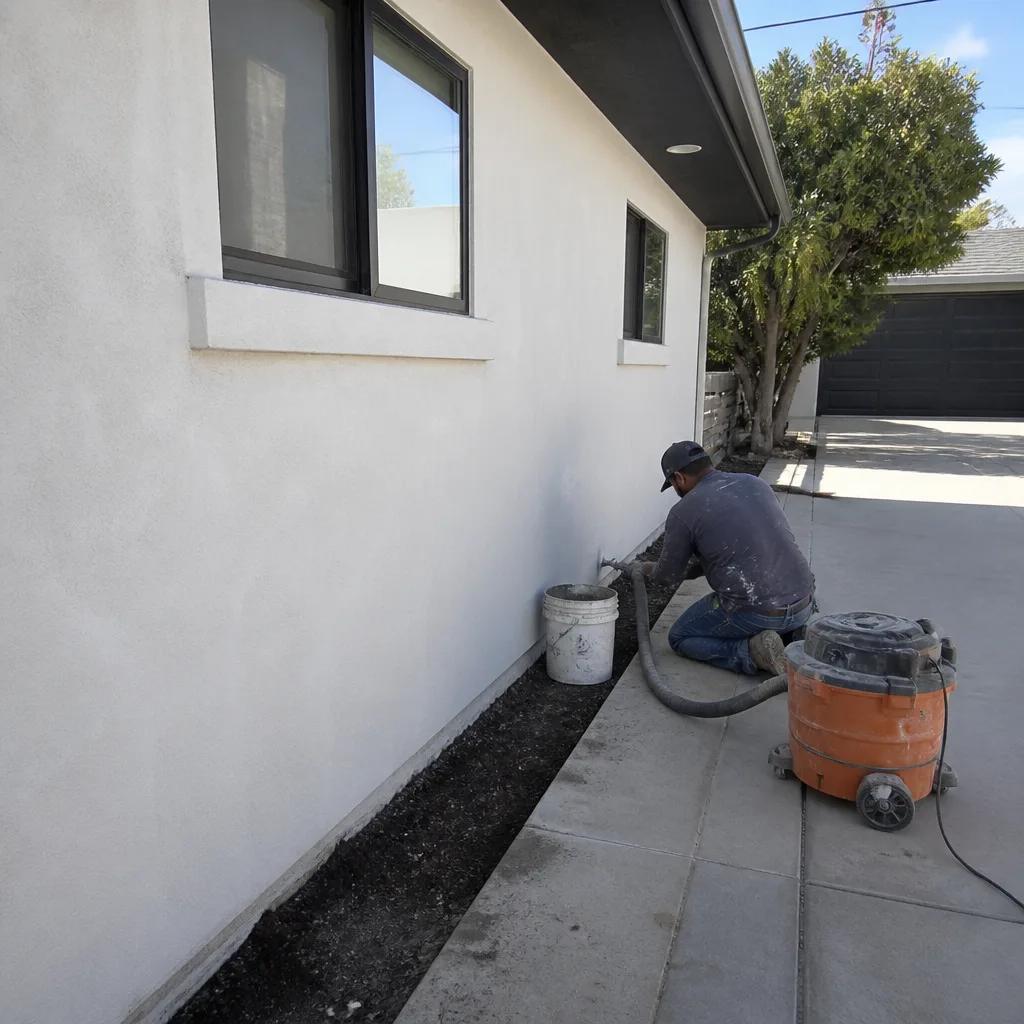 After
After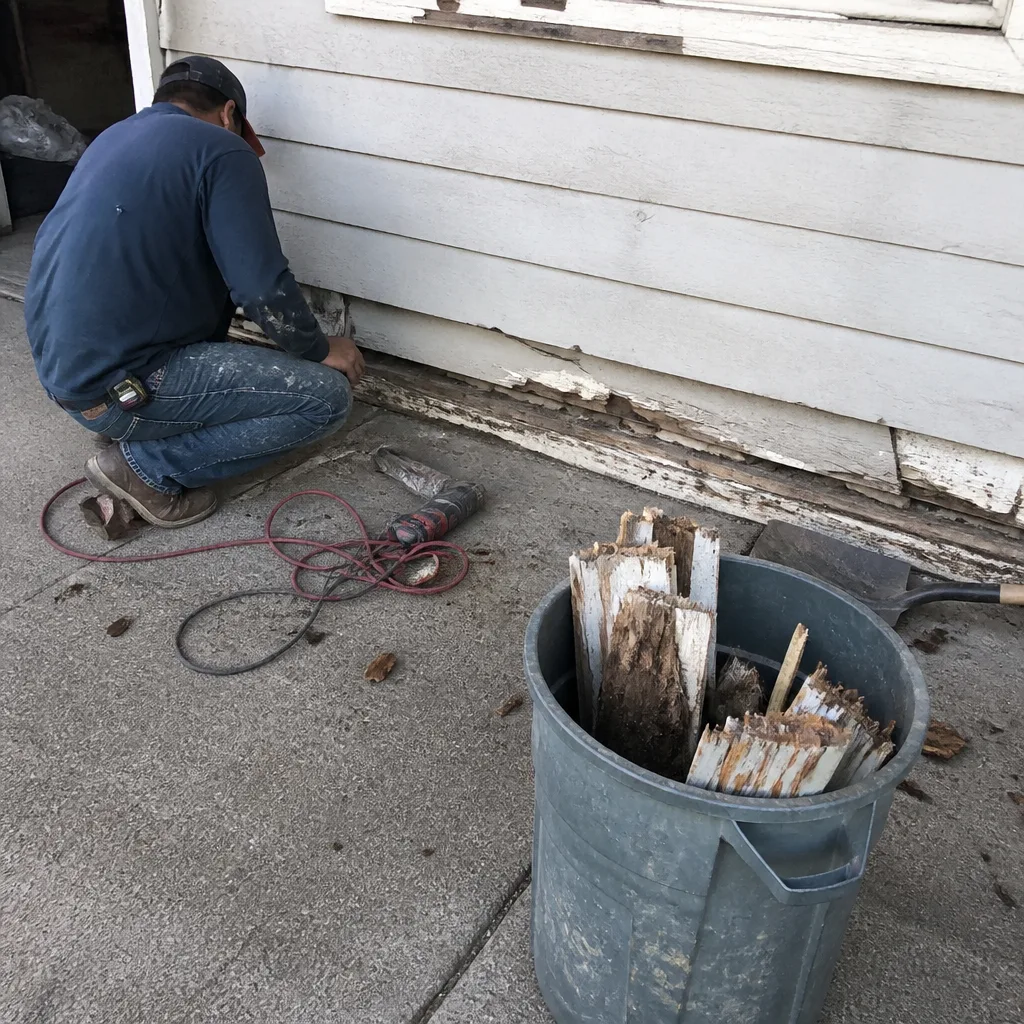 Before
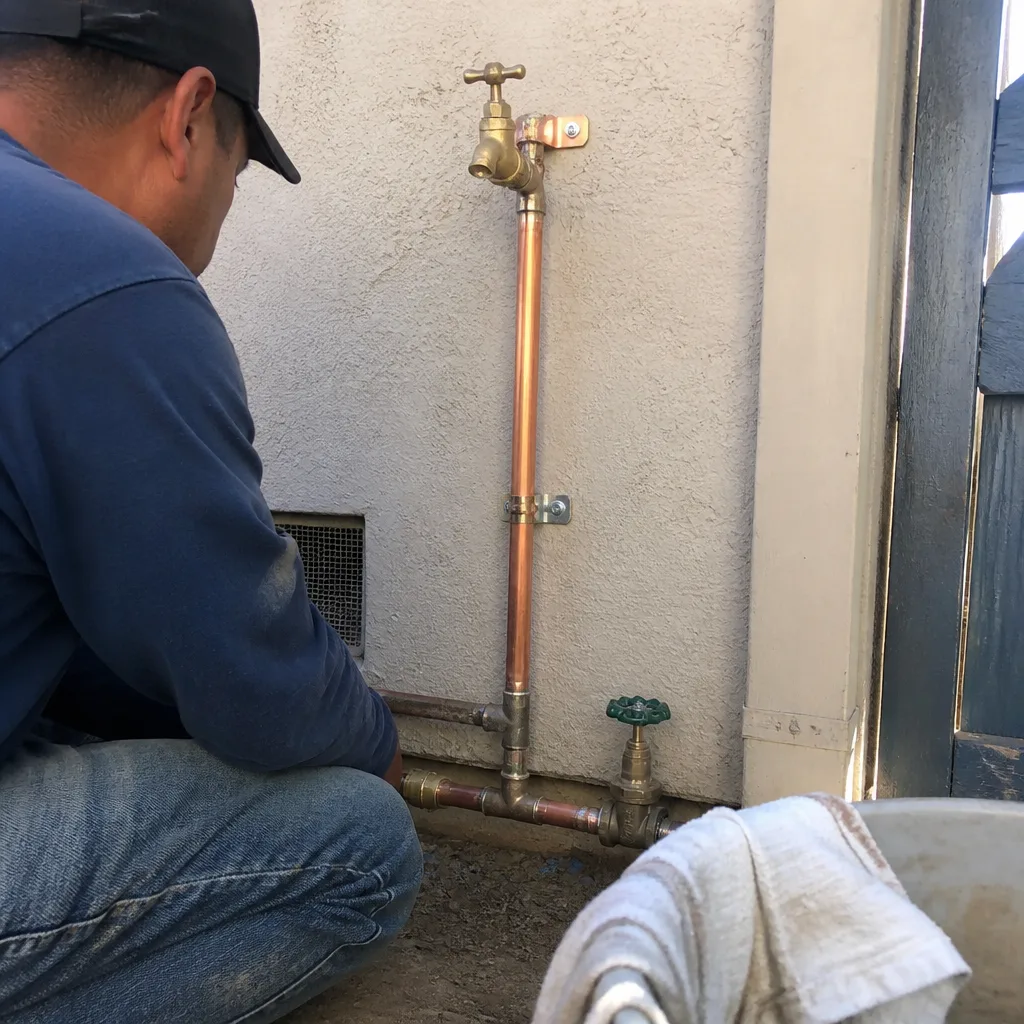 After
After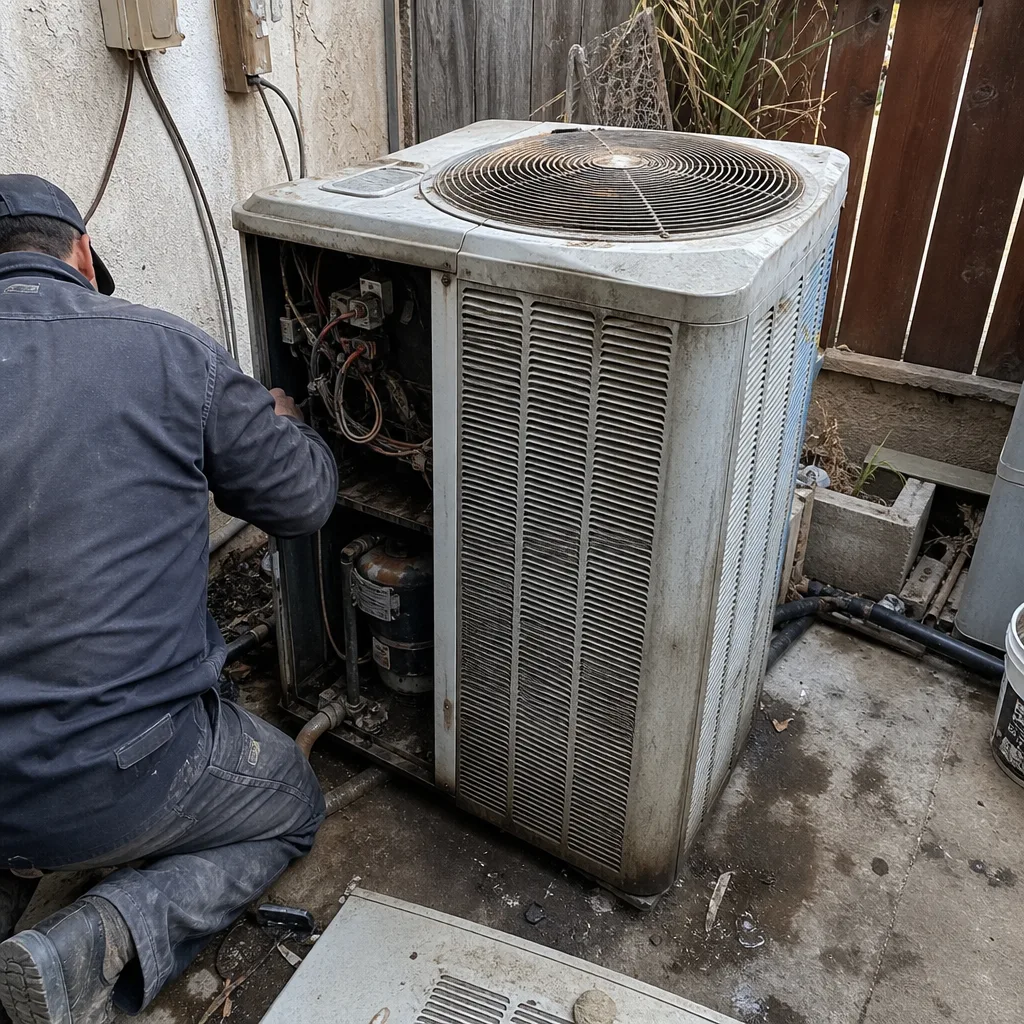 Before
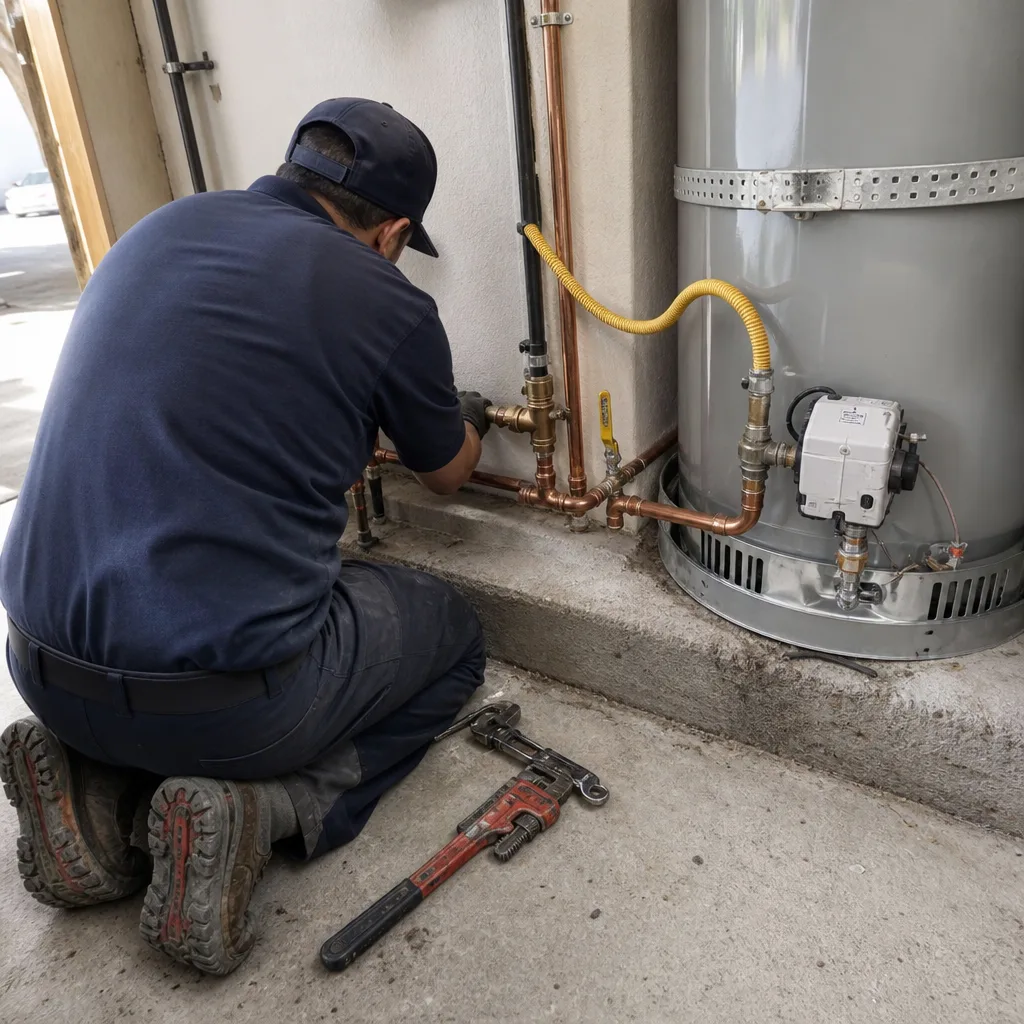 After
AfterHow to Hire a Construction Contractor in Long Beach: A Step-by-Step Guide
The California Contractors State License Board shows that in LA County, which includes Long Beach, roughly 23% of consumer complaints filed in 2023 involved contractors whose license had lapsed or been suspended at the time of the work. That status takes under two minutes to verify at cslb.ca.gov. This guide walks you through building a paper trail, license check to signed contract, before any crew sets foot on your property, or explore more guides & resources for additional homeowner protection.
Quick Answer
Hiring a construction contractor in Long Beach means verifying three checkable facts before you discuss price: an active CSLB license in the correct classification, a certificate of insurance with you named as additional insured, and a written contract that meets California Business and Professions Code §7159. Get these documents in order, then compare written quotes line for line. The rest is due diligence.
Table of Contents
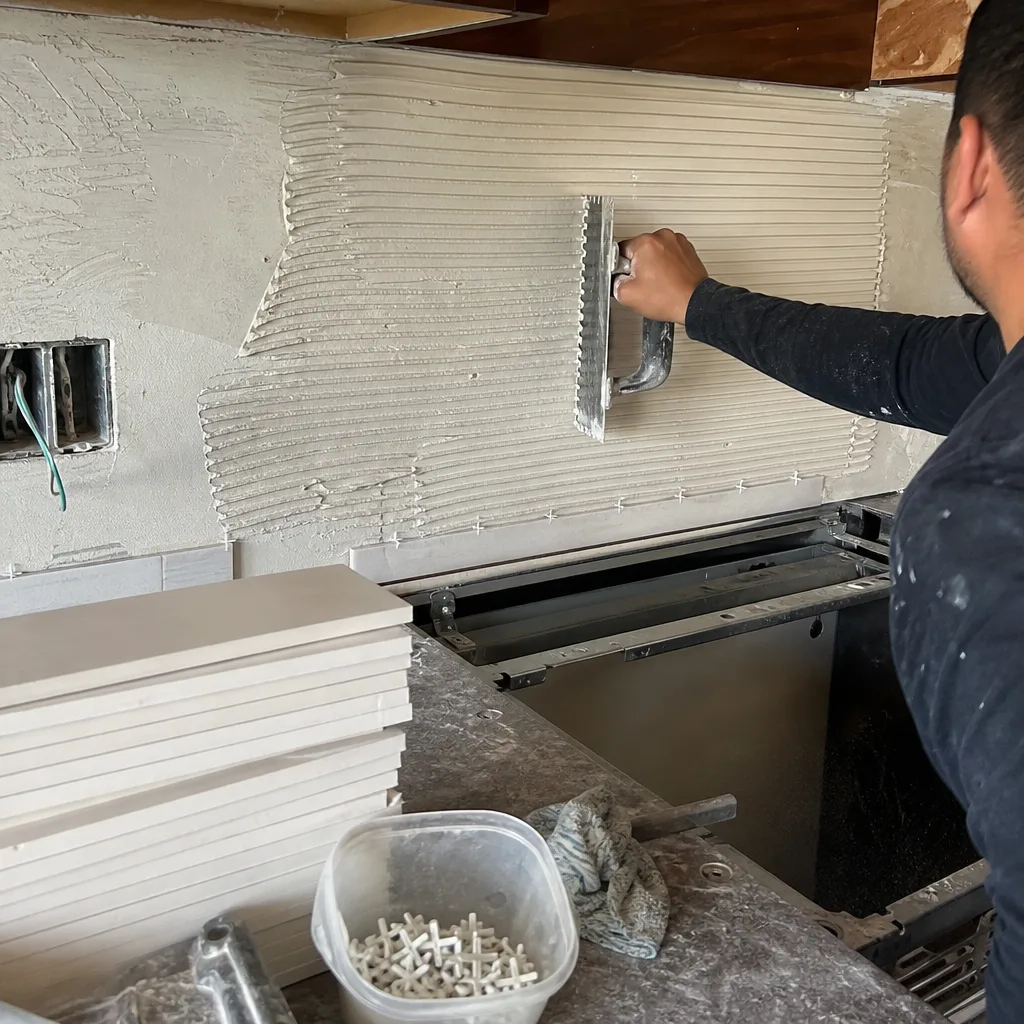
- How to Verify a Contractor’s License in California
- What Insurance Coverage Actually Protects You
- What a Legal California Home Improvement Contract Must Include
- How to Compare Written Estimates Line by Line
- Five Interview Questions That Reveal Competence
- The Change-Order Discipline: Why Signed Paper Matters
- Permits and Inspections in Long Beach
- Common Mistakes to Avoid
- When to Call a Professional
- Frequently Asked Questions
- The Bottom Line
 Before
 After
AfterHow to Verify a Contractor’s License in California
Every legitimate contractor in Long Beach must carry an active license from the California Contractors State License Board. Here’s the exact sequence to verify one.
- Go to cslb.ca.gov and click “Check a License.” Enter the license number the contractor gave you. Do not accept “pending” or “applied for” as sufficient.
- Confirm the classification matches your project. A B-General Building Contractor can oversee projects involving two or more unrelated trades. For single-trade work, a C-class license is required: C-36 for plumbing, C-10 for electrical, C-39 for roofing, C-33 for painting and decorating. If you’re getting a kitchen remodeling in Long Beach that involves cabinets, electrical, and plumbing, a B license is appropriate. For a roof-only job, a C-39 is required.
- Check the bond amount. As of 2024, California requires a $25,000 contractor’s bond. The CSLB page shows the bond company and effective dates. If the bond expired last month, stop here.
- Click the “Disciplinary Actions” tab. Look for suspensions, revocations, or citations. Even a resolved disciplinary action tells you something about how this operator has conducted business.
- Verify the business name matches. A contractor showing up with paperwork for “ABC Construction Inc.” while the CSLB lists “ABC Construction LLC” is a mismatch worth questioning.
In Long Beach specifically, we’ve seen homeowners skip the classification check and end up with a C-33 painter holding a B-General license that expired three years prior, attempting to coordinate electrical and plumbing subcontractors without the active standing to pull permits. The CSLB lookup prevents this in under two minutes.
What Insurance Coverage Actually Protects You
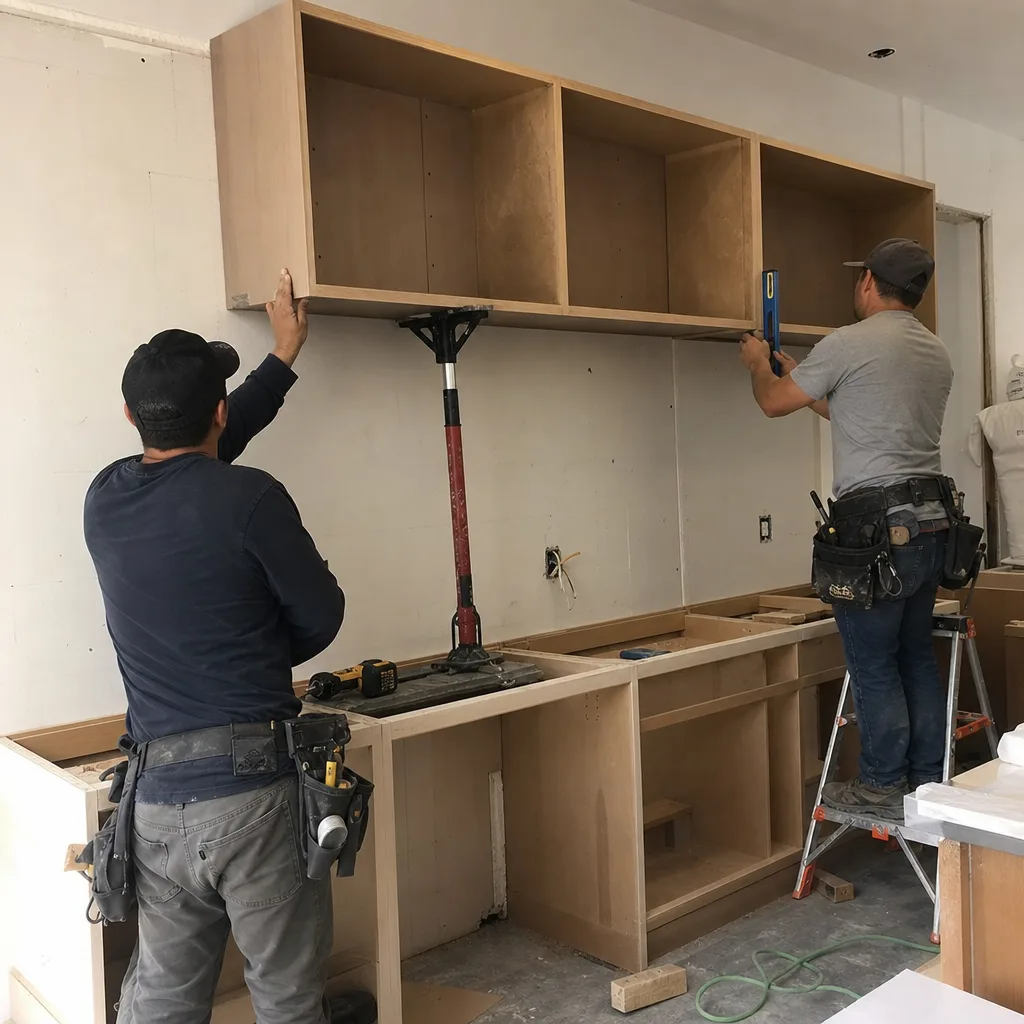
A contractor telling you they’re “fully insured” means nothing until you see the certificate of insurance, and even then, the wrong certificate protects the contractor, not you.
General liability insurance covers property damage and bodily injury caused by the contractor’s work. But here’s the critical distinction: if the certificate names only the contractor as the insured, their policy pays for damage to your neighbor’s fence if a beam falls wrong, but it does not automatically cover damage to your own home. For that, you need to be named as an additional insured on their general liability policy.
Request a certificate of insurance that:
- Lists you by name as additional insured, not just “the property owner”
- Shows general liability coverage of at least $1 million per occurrence
- Includes workers’ compensation if the contractor has employees (required by California law for any contractor with one or more employees)
- Has an effective date covering your project timeline
- Comes directly from the insurance broker or carrier, not from the contractor’s printer
Workers’ compensation is non-negotiable in Long Beach. If an uninsured worker falls off your roof and the contractor lacks coverage, your homeowner’s policy becomes the target. Verify this separately through the CSLB; the board maintains workers’ comp exemption records for sole proprietors, but any contractor with employees must show active coverage.
We’ve reviewed competitor quotes where the “insured” claim held up until we asked for the additional-insured endorsement. The homeowner learned their protection was theoretical. At Rowan Construction Group Long Beach, every project certificate names the homeowner as additional insured, and we send it from our broker’s office, not our own.
What a Legal California Home Improvement Contract Must Include
California Business and Professions Code §7159 specifies the minimum contents of a home improvement contract. Most disputes we see in Long Beach stem not from bad work but from contracts that fail to meet these requirements, leaving both parties arguing over what was agreed.
A compliant contract must contain:
| Required Element | What It Means for You |
| Contractor’s name, address, and CSLB license number | Verifiable identity; the address should match CSLB records |
| Approximate start and completion dates | A timeline with accountability, not “ASAP” or “when materials arrive” |
| Description of work to be performed | Specific scope: “remove and replace 24 LF of KraftMaid maple cabinets with soft-close hinges,” not “update kitchen” |
| Total contract price, including all finance charges | A single number or a detailed payment schedule tied to verifiable milestones |
| Payment schedule | No more than 10% or $1,000 down (whichever is less) before work begins; subsequent payments tied to completion phases |
| Notice of your 3-day right to cancel | A signed acknowledgment that you received this notice |
| Notice that claims against the bond may be filed with the CSLB | Your path to recovery if the contractor abandons the job |
| Mechanics lien warning | Required language about your liability for unpaid subcontractors and suppliers |
Compare this to the typical one-page estimate many Long Beach homeowners receive: a header, a single line like “bathroom remodel – $28,000,” and a signature line. That document fails §7159 on multiple counts and offers no enforceable scope if the tile cracks or the plumber bills extra.
At Rowan Construction Group Long Beach, our contracts run 6-8 pages because they specify the substrate preparation, the membrane type (a waterproof barrier beneath tile, typically cementitious backer board with liquid-applied or sheet membrane), the fixture model numbers, and the exact payment milestones. Under Clause 1 of The Haven Standard, the price is written before anyone starts. No work proceeds on a change until the change order is signed. This administrative discipline is why our projects finish within a few percent of the agreed number.
How to Compare Written Estimates Line by Line
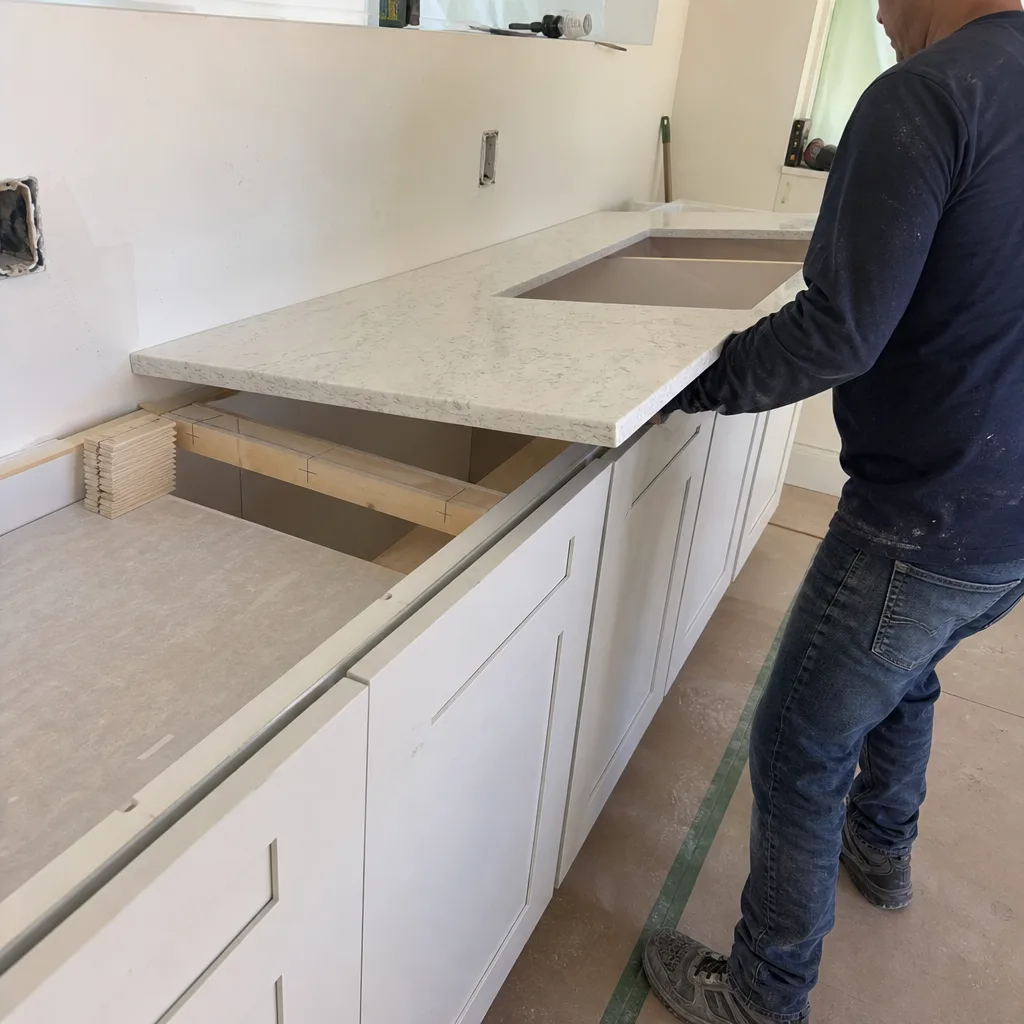
Once you have two or three compliant contracts or detailed written estimates, the real work begins. Homeowners in Long Beach often fixate on the bottom number and miss what’s included, excluded, or assumed.
Start with a line-item comparison. Create a simple table with each contractor’s name across the top and these categories down the side:
- Demolition and disposal: Does the price include hauling debris? In Long Beach, disposal at the Southeast Resource Recovery Facility runs by weight; some contractors price this separately or expect you to arrange it.
- Permits and fees: Long Beach Building & Safety charges plan check and permit fees based on project valuation. One estimate may include these; another may add them later as “permit costs to be determined.”
- Material specifications: “Granite countertop” versus “Cambria quartz countertop, 3cm thickness, eased edge” is a difference of $2,000-4,000 on a typical kitchen. “Roofing shingles” versus “GAF Timberline HDZ with System Plus warranty” is a 30-year versus 50-year proposition.
- Fixture and appliance allowances: A $3,000 plumbing fixture allowance buys Kohler Purist; a $1,500 allowance buys builder-grade. The allowance number tells you the quality tier.
- Warranty terms: One year workmanship is standard; our 365-Day Done Right Promise, backed by The Haven Standard, extends to a full year with explicit terms on every page.
- Project management and cleanup: Daily site cleanup, dust containment, and a documented photo record on every visit are standard at some operations and absent at others.
We offer a Free Second Opinion on any written estimate. Bring a competitor’s quote and we will review it line by line at no charge. Often we find double-charged items, missing permit fees, or “allowance” language that lets the contractor bill whatever they want. A written price before any work starts is only valuable if the scope behind it is complete.
Five Interview Questions That Reveal Competence
License verified, insurance confirmed, contract format understood. Now talk to the contractor. These five questions produce answers you can check, not feelings you can trust.
- “What was the permit number on your last comparable job in Long Beach?” A competent contractor knows this without digging. The format is straightforward: Long Beach Building & Safety issues permit numbers like BLD-2024-XXXXXX. If they hesitate or say permits “aren’t really necessary for this,” you have your answer.
- “Which inspector do you typically see at Long Beach Building & Safety for this type of work?” Long Beach has assigned inspectors by trade and project type. A contractor who’s pulled ten kitchen permits in the last two years knows the name. This is not trivia; it reveals whether they actually permit their work or push homeowners toward unpermitted jobs.
- “What are your subcontractor license numbers for electrical and plumbing?” A B-General contractor legally must use C-class subcontractors for electrical and plumbing. The license numbers should be provided willingly and checkable on cslb.ca.gov. Refusal to share them is a red flag.
- “Walk me through your change-order process.” The answer you want: every scope change produces a written document with a dollar amount, both parties sign it, and no work resumes until that’s done. The answer you don’t want: “we’ll figure it out as we go” or “I’ll bill you time and materials at the end.” Time and materials language in a contract authorizes open-ended billing with no ceiling.
- “What documentation do I receive when the crew leaves?” Look for specifics: a final walkthrough checklist, a photo record of work in progress and completion, a signed lien release from every subcontractor and supplier, and a written warranty document. Vague promises of “we’ll make sure you’re happy” are not documentation.
We’ve been asked these questions hundreds of times since 2007. The answers are in our system, not our memory. That’s the difference between a documented operation and a guy with a truck.
The Change-Order Discipline: Why Signed Paper Matters
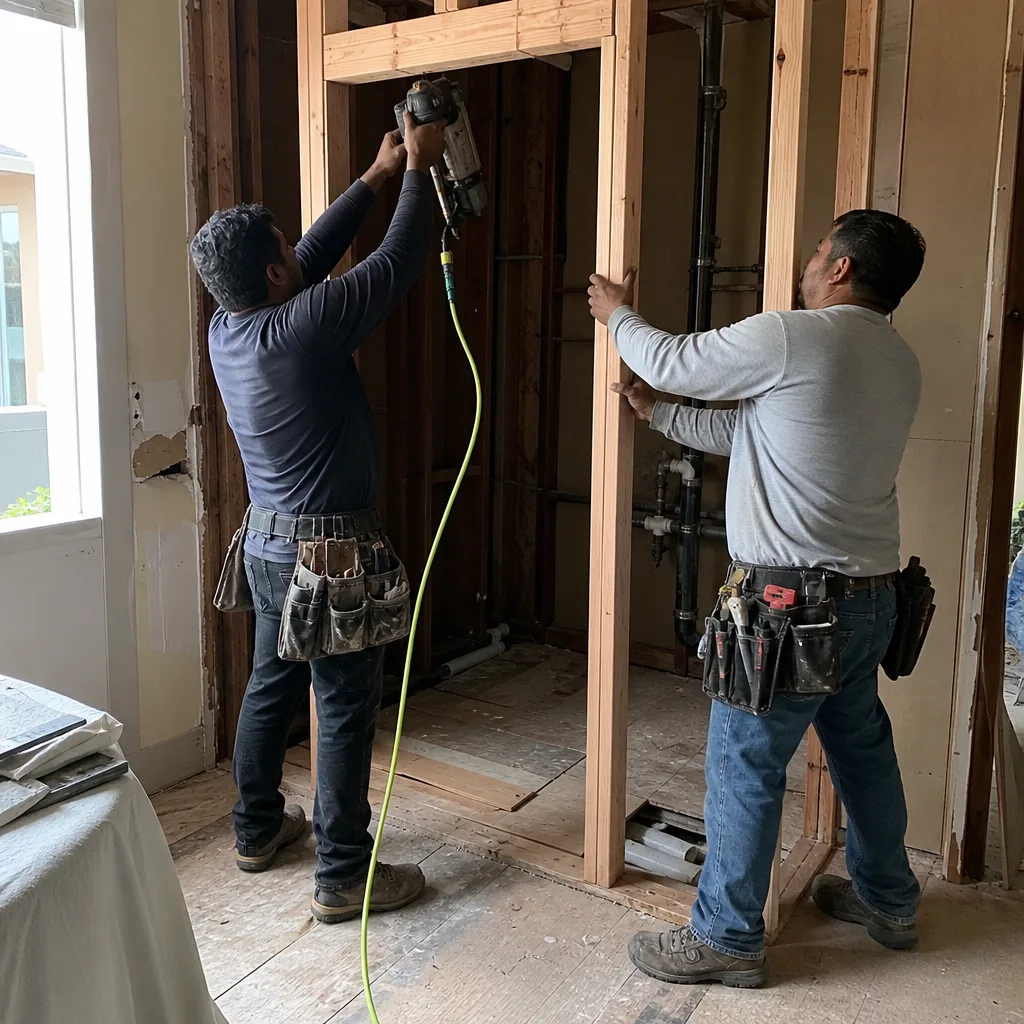
Most construction cost overruns don’t come from fraud. They come from drift: the homeowner asks for “just one more thing,” the contractor says “sure, no problem,” and twelve “no problems” later the bill is 40% higher than quoted. The mechanism that prevents this is the signed change order.
A proper change order contains:
- A description of the added, removed, or modified work
- The exact dollar impact (positive or negative)
- The revised project total
- Any schedule impact
- Signatures of both contractor and homeowner
- A statement that no other terms of the original contract change
Under The Haven Standard, no work proceeds on a change until the change order is signed. This is not customer-hostile; it protects both parties. The homeowner knows the exact cost before committing. The contractor has written authorization to bill that amount. Disputes drop to near zero.
Be especially wary of “time and materials” language buried in a contract. This phrasing authorizes the contractor to bill actual labor hours and material costs plus markup, with no fixed ceiling. In a market like Long Beach, where skilled trade labor runs $85-150 per hour depending on specialty, a “small” time-and-materials job can escalate rapidly. We do not use time-and-materials billing for residential work. Every project is quoted with a flat written price and written scope before work begins.
The discipline that keeps projects within a few percent of the agreed price is administrative, not magical. Signed change orders are the tool.
Permits and Inspections in Long Beach
Long Beach Building & Safety operates from the Civic Center downtown and enforces the California Building Code with local amendments. Understanding the permit process helps you evaluate whether a contractor is preparing properly or cutting corners; see The Complete Guide to Construction in Long Beach for deeper context.
For most residential projects, the sequence runs:
- Plan check submission: Detailed drawings, structural calculations if applicable, and energy compliance documentation (Title 24). Turnaround varies from 2-4 weeks for simple projects to 8-12 weeks for complex additions.
- Permit issuance: Fees paid, permit posted on site, work may begin.
- Rough inspections: Framing, electrical, plumbing, and mechanical systems inspected before they’re covered. For a bathroom remodeling in Long Beach, this means the inspector sees pipe placement and electrical routing before tile goes up.
- Final inspection: All work complete, all systems operational, permit finaled and closed.
Long Beach’s coastal climate adds specific considerations. The marine layer brings consistent moisture, which means waterproofing details, weep screed (the perforated metal strip at the base of stucco walls that allows drainage), and vapor barrier specifications get strict inspector attention-topics covered in our Seasonal Construction Care for Long Beach: Year-Round Homeowner’s Guide. A contractor who’s worked in inland markets may not anticipate this. We’ve corrected jobs where the original contractor used interior-grade moisture barriers on exterior walls in Belmont Shore, leading to mold remediation within two years.
Neighborhoods like Naples, Belmont Heights, and the Historic Districts have additional design review or historic preservation requirements. A contractor who doesn’t ask whether your home is in a historic district hasn’t done their homework.
We pull permits and pass inspections on every job. The permit number goes in your file, and the final inspection approval is part of the documented photo record you receive.
Common Mistakes to Avoid
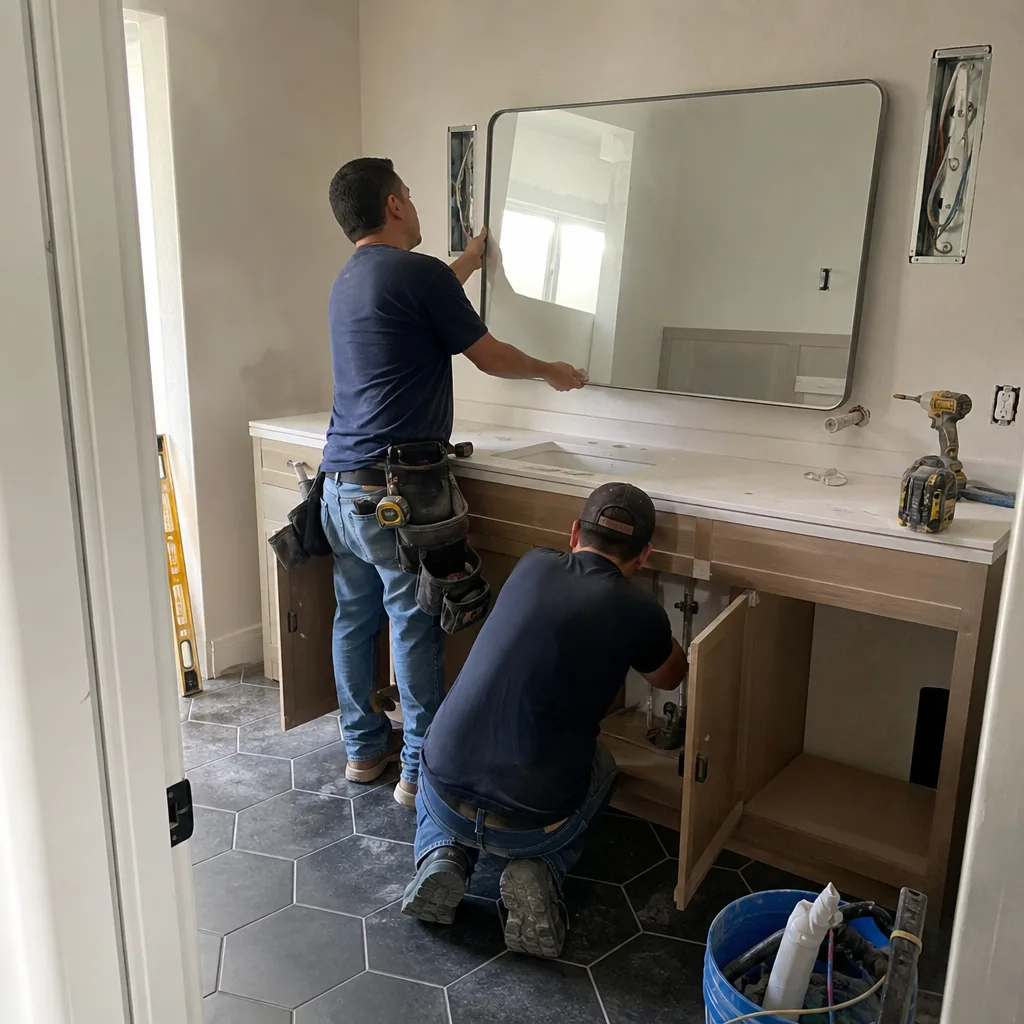
- Paying more than 10% or $1,000 down. California law caps the deposit. A contractor demanding 50% upfront is either undercapitalized or planning to use your money to finish someone else’s job.
- Accepting a verbal estimate for a multi-trade project. A kitchen remodel in Long Beach involving electrical, plumbing, and cabinetry cannot be accurately priced in conversation. The written scope protects both parties.
- Skipping the additional-insured verification. We’ve seen homeowners with $40,000 in water damage from a burst pipe during a bathroom renovation, only to learn their contractor’s liability policy excluded damage to the “work itself” and they were not named as additional insured.
- Hiring unpermitted to “save time.” Unpermitted work must be disclosed in California real estate transactions. It can trigger insurance policy exclusions. And if a fire or structural failure occurs, the unpermitted status becomes evidence in any liability claim.
- Not getting lien releases. California mechanics lien law allows subcontractors and suppliers to file against your property if the general contractor doesn’t pay them, even if you paid the general in full. Collect signed conditional lien releases with each payment, and final unconditional releases at completion.
- Ignoring the three-day right to cancel. You have three business days to cancel any home improvement contract signed in your home. Use it to review the documents, verify the license, and sleep on the decision.
When to Call a Professional
Call a licensed contractor when your project involves structural modification, electrical or plumbing work, roofing, or any job requiring a permit. These are not DIY territory in Long Beach, where coastal moisture, seismic requirements, and strict energy codes create complexity that amateur work rarely satisfies.
Specific scenarios that warrant immediate professional assessment: sagging ceilings or sloping floors indicating structural compromise; water stains that reappear after painting, suggesting active leaks in the roof or plumbing; electrical panels with scorch marks or breakers that trip repeatedly; and any project in a roofing in Long Beach context where the existing roof is past 20 years and the substrate condition is unknown.
Rowan Construction Group Long Beach offers free estimates in Long Beach. Call (424) 567-7009 to schedule yours. We’ll verify your project requirements, check permit needs, and deliver a written price with a written scope before any work starts.
Frequently Asked Questions
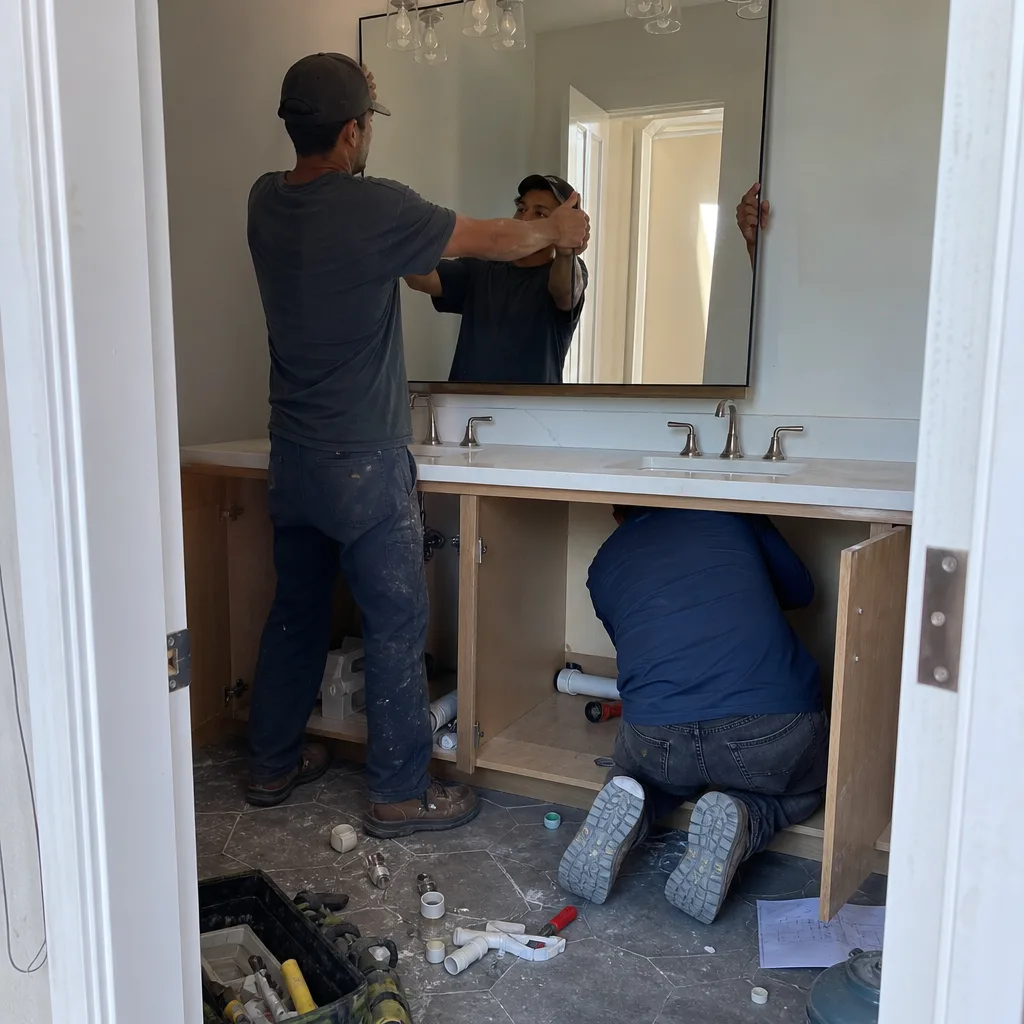
For a whole-home or major addition project, general contractor fees in Long Beach typically run 15-25% of total construction costs, though many contractors, including Rowan, quote flat prices that encompass management, materials, and labor rather than separating a percentage fee. A kitchen remodel might range $35,000-85,000 depending on cabinet line, countertop material, and whether walls are moved; a bathroom remodel $18,000-45,000; a roof replacement on a typical 1,600 square foot Long Beach home $12,000-22,000 using GAF or Owens Corning systems. Call (424) 567-7009 for an exact quote on your project - estimates are free.
The price should not change unless you request changes to the scope, and even then, only after a signed change order documents the new dollar amount. At Rowan Construction Group Long Beach, no work proceeds on a change until the change order is signed - this discipline has kept our projects within a few percent of the agreed price across 4,000-plus jobs since 2007. Call (424) 567-7009 to discuss how we structure fixed-price contracts.
Yes. We pull permits, schedule inspections, and ensure final approval on every job. The permit number goes in your project file, and you receive documentation of each inspection pass. In Long Beach, this includes coordination with Long Beach Building & Safety for plan check, rough inspections, and final sign-off. Call (424) 567-7009 to verify permit requirements for your specific project.
A standard kitchen remodel in Long Beach, from permit issuance to final inspection, typically runs 6-10 weeks for the construction phase, preceded by 2-6 weeks of design and material selection and 2-4 weeks of plan check; review our Kitchen Remodeling Maintenance Checklist for Long Beach Homeowners to keep your investment protected after completion. Custom cabinetry from KraftMaid or Wellborn adds 4-6 weeks to the front end for manufacturing. Projects in historic districts or requiring structural modifications take longer. The timeline in your written contract includes specific milestones, not vague ranges.
Decline. Cash payments leave no paper trail for warranty claims, tax documentation, or dispute resolution. California law requires home improvement contracts to specify payment terms, and payments should be traceable. A contractor pushing cash may be avoiding workers’ comp premiums, sales tax, or bond requirements. This is a reportable offense to the CSLB.
You’ll need a structural engineer’s stamp for any project involving load-bearing wall removal, second-story additions, foundation modification, or seismic retrofit in Long Beach’s older neighborhoods like Belmont Heights or California Heights. We identify this requirement during our initial assessment and coordinate the engineering as part of our project management. The engineer’s drawings become part of the permit submittal. Call (424) 567-7009 to schedule an assessment.
The Bottom Line
Hiring a contractor in Long Beach is a document-verification process. Check the license at cslb.ca.gov. Confirm the insurance certificate names you as additional insured. Demand a contract that meets §7159 with a written scope, fixed price, and explicit change-order procedure. Compare estimates line by line, not bottom line to bottom line. Ask questions with checkable answers. The contractors who welcome this process are the ones worth hiring.
Since 2007, Rowan Construction Group Long Beach has delivered 4,000-plus projects under The Haven Standard: written price before any work starts, signed change orders for every adjustment, background-checked uniformed crews, a live person answering calls 24/7, and a documented photo record on every visit. Our 365-Day Done Right Promise is printed on every page, backed by terms you can read, not an asterisk.
Written by Grant Rowan, Owner at Rowan Construction Group Long Beach, serving Long Beach since 2007.