
Free written scope consultation - allowances, timeline, and change-order rules on paper before a single trade is scheduled
 Before
 After
After Before
 After
After Before
 After
AfterAmeristar Home Additions & ADU: The Long Beach Owner’s Guide
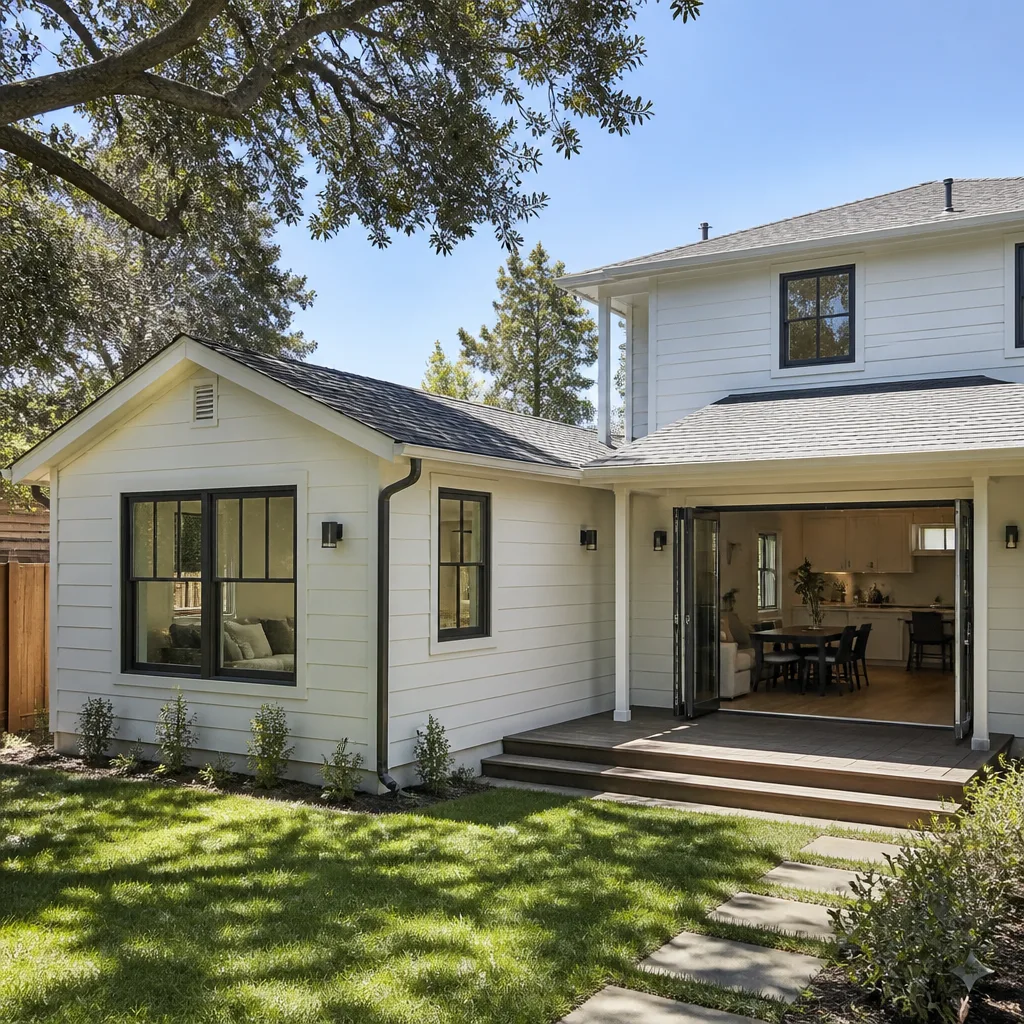
We install Ameristar-compatible components for home additions and ADU projects across Long Beach, with typical installed pricing from $45,000 to $130,000 for full additions and $90,000 to $220,000 for detached ADUs. Most Ameristar framing systems, connector hardware, and weatherproofing assemblies are in our supplier pipeline with 5-10 business day lead times for standard SKUs. If you’re seeing separation at the Ameristar post-base connections, moisture intrusion at the wall-to-foundation transition, or sag in the engineered beam spans, the system is telling you something has moved past tolerance.
Homeowners in Long Beach usually spot trouble during our wet winters or after Santa Ana wind events: gaps open at panel seams, doors in the addition start binding, or the stucco weep screed shows staining where the Ameristar moisture barrier failed. These are structural symptoms, not cosmetic ones. We’ve tracked them from Bixby Knolls to Naples, and they almost always trace back to three points: the foundation tie-down, the wall-to-roof connection, or the specified load path being interrupted by an unpermitted modification.
Which Ameristar Models This Applies To
Ameristar’s residential framing systems span several product generations, and the part you need depends on when the addition was specified. Pre-2018 Ameristar installations in Long Beach typically used the A-Series light-gauge steel framing with 18-gauge track and 20-gauge studs, while post-2018 builds moved to the Pro-Frame system with 16-gauge structural track and enhanced corrosion coating for coastal ZIP codes. The connector plates, post bases, and hold-down anchors are not interchangeable between series. If your permit set lists “Ameristar A-200” or “Pro-Frame 400,” that document is your starting point.
To identify the right component, check the stamp on the steel stud flange (usually 12 inches above the track) or the embossed marking on the post base. The A-Series uses a two-digit year code; Pro-Frame uses a four-digit lot number. We cross-reference both against Ameristar’s technical bulletins, which we keep on file. For OEM versus aftermarket: Ameristar-branded hold-downs run 15-20% higher than Simpson Strong-Tie equivalents rated for the same load, but the Simpson catalog number must match the engineer’s spec exactly. We’ve seen Long Beach plan checkers reject substitutions on ADUs in the Bluff Park overlay zone specifically because the original load calculations were written around Ameristar’s tested assembly values. We source both, but we quote what the permit will accept.
Signs Your Ameristar Home Additions & ADU Is Failing
- Diagonal cracking at window or door corners. This indicates the Ameristar frame is racking, meaning lateral loads are not being transferred to the foundation as designed. In Long Beach, we see this most often where the original builder omitted the required shear panel at the corner, or where a later owner cut an opening without engineering.
- Rust streaking at track-to-slab connections. The Ameristar post base or bottom track is seeing moisture and the protective coating has been compromised. Near the coast in Belmont Shore or the Peninsula, salt air accelerates this. Left alone, the connection loses capacity and the wall can lift in a seismic event.
- Sagging or bounce in the addition floor. The engineered beam or joist hanger specified in the Ameristar system is undersized, damaged, or missing fasteners. We found one in the Wrigley area where a DIY owner had replaced the specified 10d joist hanger nails with deck screws; the screws sheared under load in three years.
- Stucco delamination below the weep screed. Water is getting behind the Ameristar moisture barrier at the foundation line. The weep screed is designed to drain that water; if it’s caulked over or the barrier was punctured during landscaping, the steel track behind it corrodes.
- Doors that won’t latch or windows that bind seasonally. This is differential settlement or thermal expansion in the Ameristar frame exceeding the clearance designed into the rough opening. In Long Beach’s clay soils, especially in the Los Altos area, foundation movement is common and the addition’s lighter weight can make it move differently than the main structure.
 Before
 After
AfterReplacement Cost & What’s Included
For Ameristar-specific component replacement within an existing addition or ADU, our Long Beach pricing breaks down as follows:
| Scope | Price Range |
|---|---|
| Structural connector replacement (post base, hold-down, anchor bolt) | $800-$2,400 |
| Wall section reframing with new Ameristar track and studs | $3,500-$8,500 |
| Engineered beam repair or replacement | $4,200-$12,000 |
| Moisture barrier and weep screed rebuild | $2,800-$6,500 |
| Full addition reframing (Ameristar system) | $45,000-$130,000 |
| Detached ADU, new Ameristar-compatible build | $90,000-$220,000 |
What drives the range: accessibility (working around an occupied house costs more), whether the original permit drawings are available, and whether the foundation itself needs remediation. Every quote we write in Long Beach is flat-priced with line-item scope before work starts. Under Clause 1 of the Haven Standard, that written price is fixed; if we find something unexpected, we document it, write a change order, and nothing proceeds until it’s signed. Our 365-Day Done Right Promise covers the installation, and the documented photo record from every visit is yours to keep.
DIY or Call Us?
There’s a safe middle ground here. A homeowner can verify the model stamp, photograph the damage, and check whether the original permit is on file with Long Beach Development Services. That’s useful information and it costs nothing.
What we do not recommend: cutting into a structural wall to “see what’s back there,” removing a post base to inspect corrosion, or attempting to swap an engineered beam without temporary shoring. The Ameristar system is designed as an assembly; individual components are rated to work together, and altering one without understanding the load path can redistribute forces in ways that aren’t visible until something fails. We’ve been called to Long Beach jobs where a well-intentioned owner removed a shear panel to run a duct and the wall above began to rack within a season. The repair cost triple what the ductwork would have.
If you’re seeing any of the symptoms above, call us at (424) 567-7009. We’ll inspect, photograph what we find, and give you a written price before any work starts.
FAQs
Properly installed and protected from moisture, the galvanized steel components are rated for 50-plus years. In practice, we’ve seen premature failure at 8-12 years where the foundation waterproofing was skipped or where coastal salt air degraded connections that weren’t specified with enhanced corrosion coating. Call (424) 567-7009 for an inspection if you’re past the decade mark and seeing surface rust.
Surface rust on a post base can sometimes be cleaned, treated, and re-coated if the section loss is under 10% and an engineer signs off. Cracked connector plates, deformed track, or any beam with visible deflection gets replaced; repair is not code-compliant for structural steel. We always quote both options when repair is viable, but we won’t write a repair that we can’t stand behind under the Haven Standard.
Isolated connector swaps are one to two days. A wall section rebuild runs three to five days, plus stucco or siding restoration. Full addition reframing is four to eight weeks depending on permit status and foundation work. We schedule Long Beach permits through Development Services with a dedicated expeditor; most Ameristar ADU permits clear in 6-8 weeks if the drawings are complete.
We stock Simpson Strong-Tie equivalents for common Ameristar connectors on our Long Beach trucks, and we maintain a same-day supplier relationship for Ameristar OEM track, studs, and post bases. Proprietary Pro-Frame hardware sometimes requires a 5-10 day factory order. We’ll tell you exactly which category your part falls into when we quote.
Written by Grant Rowan, Owner, Rowan Construction Group Long Beach at Rowan Construction Group Long Beach, serving Long Beach and nearby areas.