
Free written scope consultation - allowances, timeline, and change-order rules on paper before a single trade is scheduled
 Before
 After
After Before
 After
After Before
 After
AfterCambridge Pavers Home Additions & ADU: The Long Beach Owner’s Guide
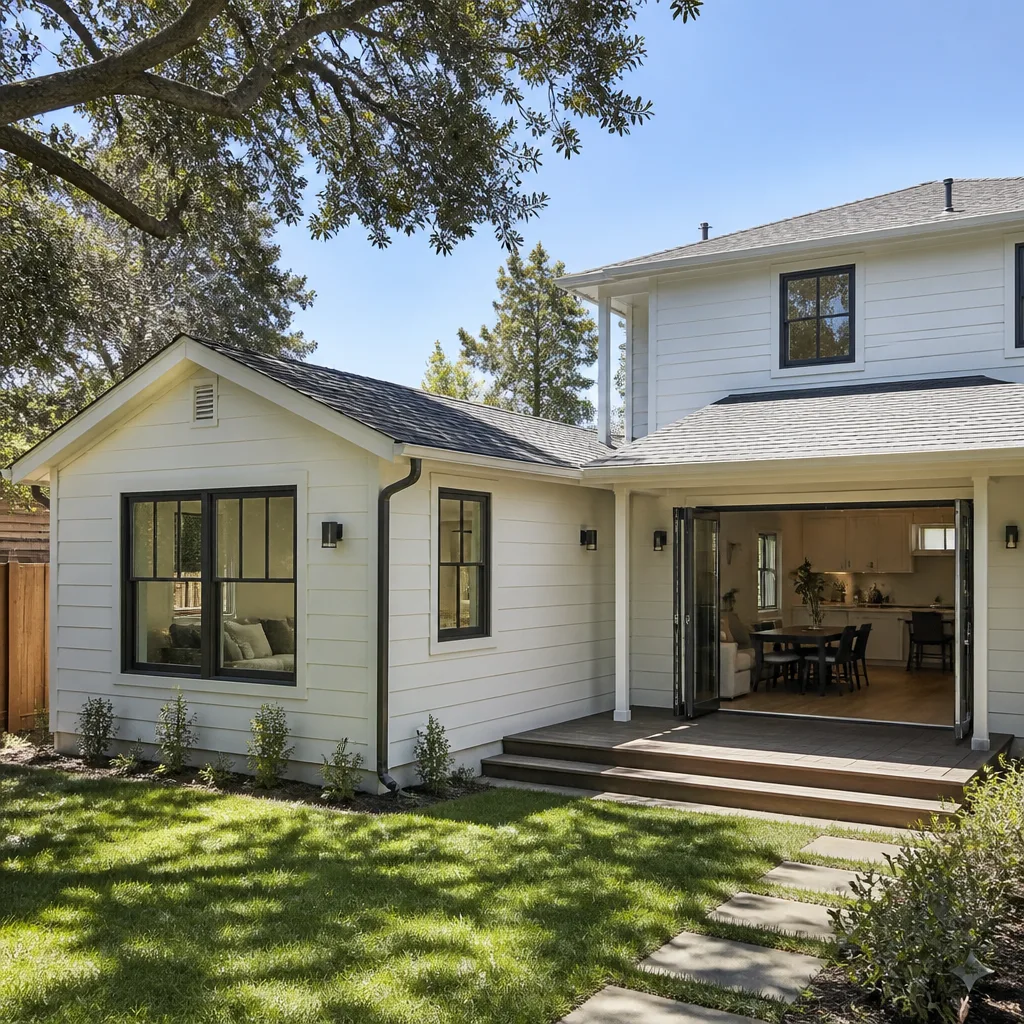
We stock and install Cambridge Pavers-compatible systems for home additions and ADU projects in Long Beach, with typical installed pricing from $45,000 to $130,000 for additions and $90,000 to $220,000 for detached ADUs. Most Cambridge Pavers hardscape integrations - patios, walkways, and permeable driveway extensions tied to new square footage - are quoted with a written price before work starts and can be scheduled within two weeks once permits clear. Homeowners usually discover an issue when settling cracks appear between the paver field and the new foundation, or when water pools where the addition meets the existing grade - both signs the base prep or edge restraint was underspecified for Long Beach’s clay-heavy soil and seasonal moisture shifts.
Which Cambridge Pavers Models This Applies To
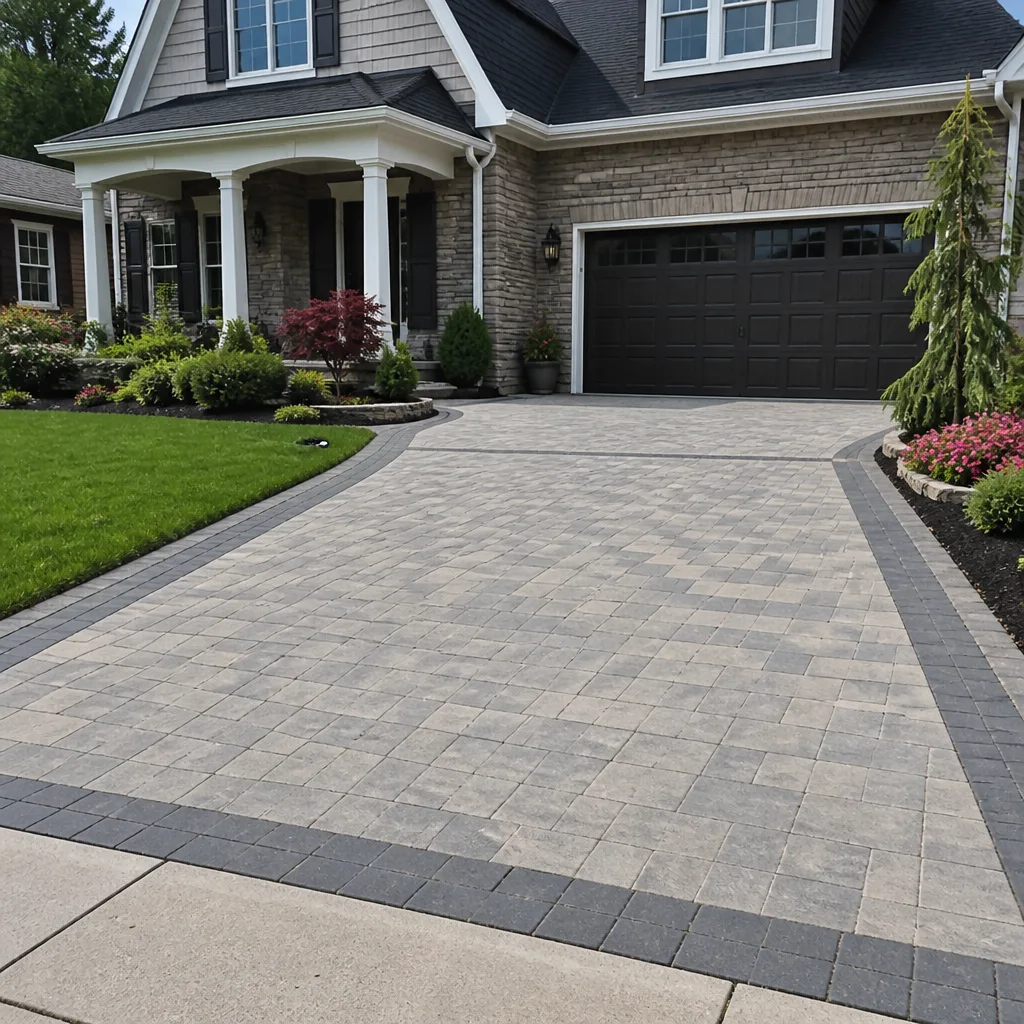
Cambridge Pavers organizes its residential lines into distinct series, and the right specification depends on load requirements and freeze-thaw exposure. For Long Beach home additions and ADUs, we most commonly integrate the ArmorTec, Ledgestone, and Renaissance collections - ArmorTec for vehicular surfaces like driveway extensions, Ledgestone for pedestrian patios off new living space, and Renaissance where the aesthetic needs to match existing 1990s-era installations in neighborhoods like Belmont Heights or Naples.
To identify your series, check the paver edge for the Cambridge logo stamp or measure the unit: ArmorTec runs 2 3/8 inches thick with a beveled edge, while Ledgestone XL is 2 3/4 inches and rectangular. The OEM specification calls for ICPI-certified flexural strength of 8,000 psi minimum, but we’ve found that aftermarket equivalents from Belgard and Techo-Bloc - both brands we stock - meet the same spec at lower cost when color match is not critical. Where it is critical, we source direct from Cambridge’s Carson distribution point, typically three-day lead time. We are an independent contractor, not affiliated with Cambridge Pavers.
Signs Your Cambridge Pavers Home Additions & ADU Is Failing
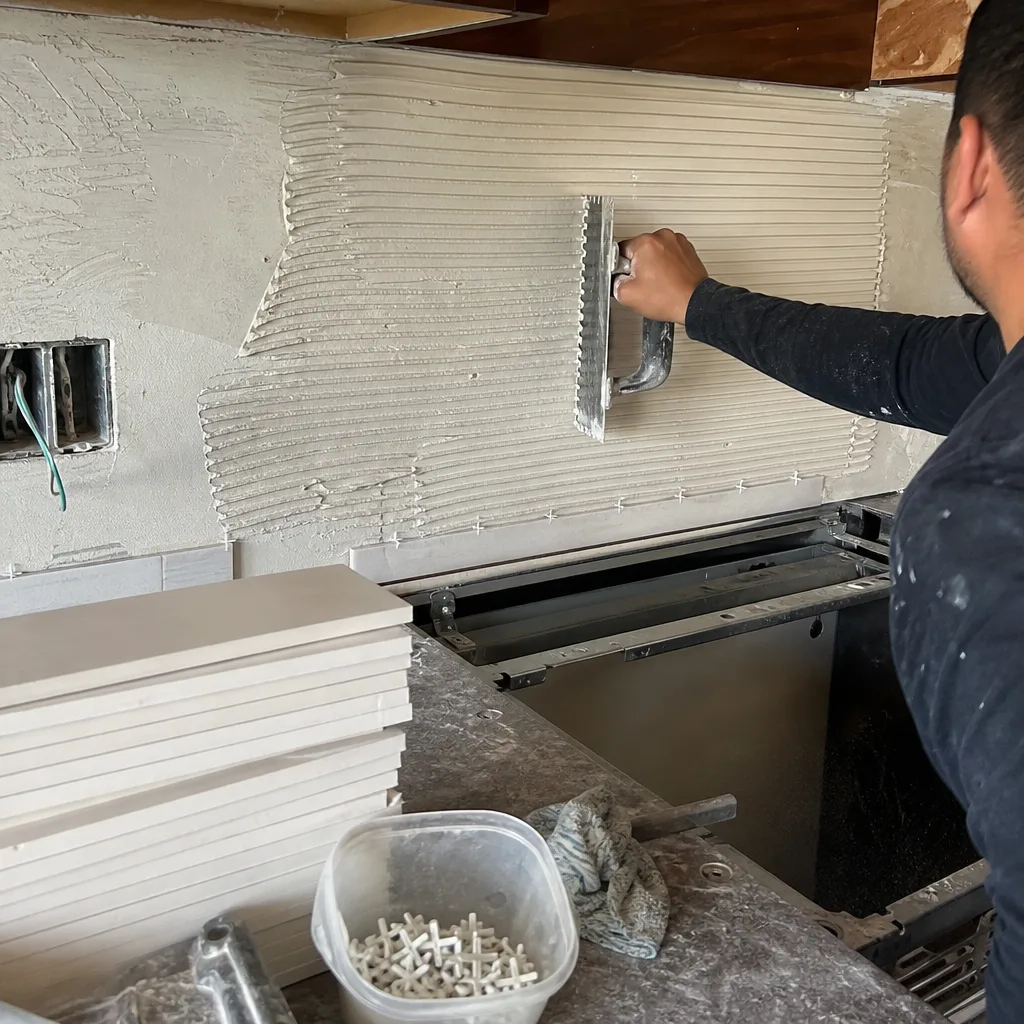
- Sinking or tilting pavers near the addition foundation. This usually means the aggregate base was compacted in lifts too thick for the clay soil common in Long Beach’s Alamitos Beach and Bixby Knolls areas, or that geotextile separation was skipped between native soil and base stone. The freeze-thaw cycle is mild here, but seasonal expansion still finds weak points.
- Efflorescence blooming across the surface within six months of installation. White mineral deposits indicate moisture migration through the bedding sand, often because the screed layer was washed concrete sand rather than ASTM C33 sharp sand. It is cosmetic but signals drainage failure that will worsen joints over time.
- Edge restraint pulling away from the paver field. Plastic or aluminum edging secured with 10-inch spikes fails when the spike length is insufficient for the surcharge load of new construction traffic, or when the setback from the foundation is less than 6 inches. We’ve replaced dozens of these on ADU access paths where the original installer treated it like a garden walkway.
- Joint sand washing out between pavers. Polymeric sand degradation happens faster within two blocks of the Pacific when salt air degrades the binder, or when the initial activation was over-watered. Open joints let water into the bedding layer, which pumps fines and creates voids.
- Cracking in pavers directly abutting a new concrete slab. Cambridge’s installation detail requires an isolation joint with backer rod and sealant where rigid pavement meets flexible pavement. Skipping this detail - common on fast-track ADU builds - transfers slab movement directly into the paver, which has no tensile strength to absorb it.
 Before
 After
AfterReplacement Cost & What’s Included
| Scope | Long Beach Price Range |
|---|---|
| Home Addition (Cambridge Pavers hardscape integration) | $45,000 - $130,000 |
| ADU Construction (detached, with paver patio/driveway) | $90,000 - $220,000 |
| Garage Conversion (with paver approach replacement) | $30,000 - $80,000 |
| Paver Patio Installation (standalone, tied to addition) | $3,500 - $11,000 |
| Paver Driveway Installation (extension or replacement) | $7,000 - $18,000 |
The range reflects three variables: permit complexity (Long Beach requires separate planning and building review for ADUs over 750 square feet), soil condition requiring over-excavation and import of engineered fill, and whether the Cambridge Pavers specification needs to match an existing field for color continuity. Under Clause 1 of the Haven Standard, your written quote itemizes each of these before work starts - no aggregate number without the breakdown. Labor includes demolition, base prep in 6-inch lifts with plate compaction, bedding screed, paver lay with 1/8-inch joint spacing, polymeric sand activation, and edge restraint. The 365-Day Done Right Promise covers settling, joint failure, and edge pull-back. Every visit includes a documented photo record, standard.
DIY or Call Us?
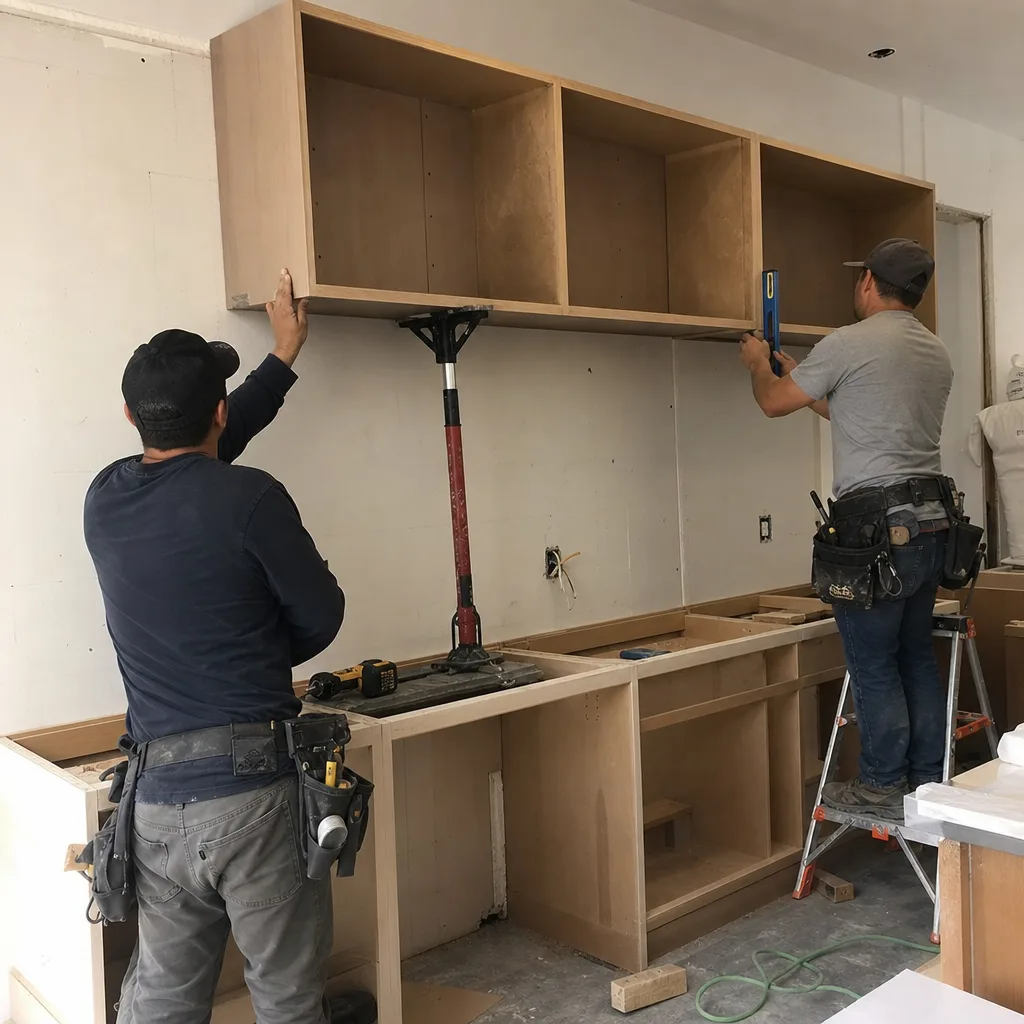
An owner can safely check three things: measure the paver thickness at the edge to confirm series, photograph any efflorescence pattern for our review, and verify whether the edge restraint is secured with 10-inch spikes or the shorter 8-inch version that fails under surcharge. Do not attempt base excavation or re-compaction yourself - the plate compactor rental is not the risk, the risk is not knowing whether Long Beach’s expansive clay requires a geogrid stabilization layer or how to read the proctor density test that tells you when the lift is tight enough.
We have also seen homeowners remove pavers to “fix” a low spot, add bagged sand from the hardware store, and reset them - the spot returns in three months because the base, not the bedding, was the problem. Measure twice, write it down, then build it. Call (424) 567-7009 to schedule your free estimate; we will bring the spec sheets, the density gauge, and a written price before anyone picks up a tool.
FAQs
With proper base prep, 25 to 30 years in Long Beach’s marine climate - though we’ve seen premature failure at year 8 when the original installer skipped geotextile on clay soil or used non-polymeric joint sand. Salt air within a mile of the coast accelerates surface wear on non-ArmorTec finishes by roughly 20 percent. Call (424) 567-7009 for an exact quote on your specific site - estimates are free.
Individual unit replacement is possible if you have matching stock, but Cambridge discontinues colors every 3 to 5 years and dye lots vary. Base failure - the root cause of most issues we see - requires full removal and re-compaction, which makes spot repair uneconomical. We stock KraftMaid, Cambria, and Silestone products as well, but Cambridge Pavers color matching requires checking current availability against your field sample. Call (424) 567-7009 for an exact quote - estimates are free.
Most Cambridge Pavers hardscape tied to a home addition or ADU runs 5 to 10 working days after permit release, assuming no utility conflicts. Long Beach Building and Safety typically releases residential permits in 10 to 15 business days for paver-only scope, or 6 to 10 weeks for full ADU packages. We do not start demolition until the written price is signed and the permit is posted - Clause 1 of the Haven Standard. Call (424) 567-7009 for an exact quote - estimates are free.
We stock the tools, base materials, and edge restraint systems; Cambridge Pavers units are job-ordered from Carson to match color and batch. For emergency stabilization - a tripping hazard at an ADU entrance, for instance - we can install temporary concrete pavers same-day and swap to Cambridge when the order arrives. Call (424) 567-7009 for an exact quote - estimates are free.
Written by Grant Rowan, Owner, Rowan Construction Group Long Beach at Rowan Construction Group Long Beach, serving Long Beach and nearby areas.