
Free written scope consultation - allowances, timeline, and change-order rules on paper before a single trade is scheduled


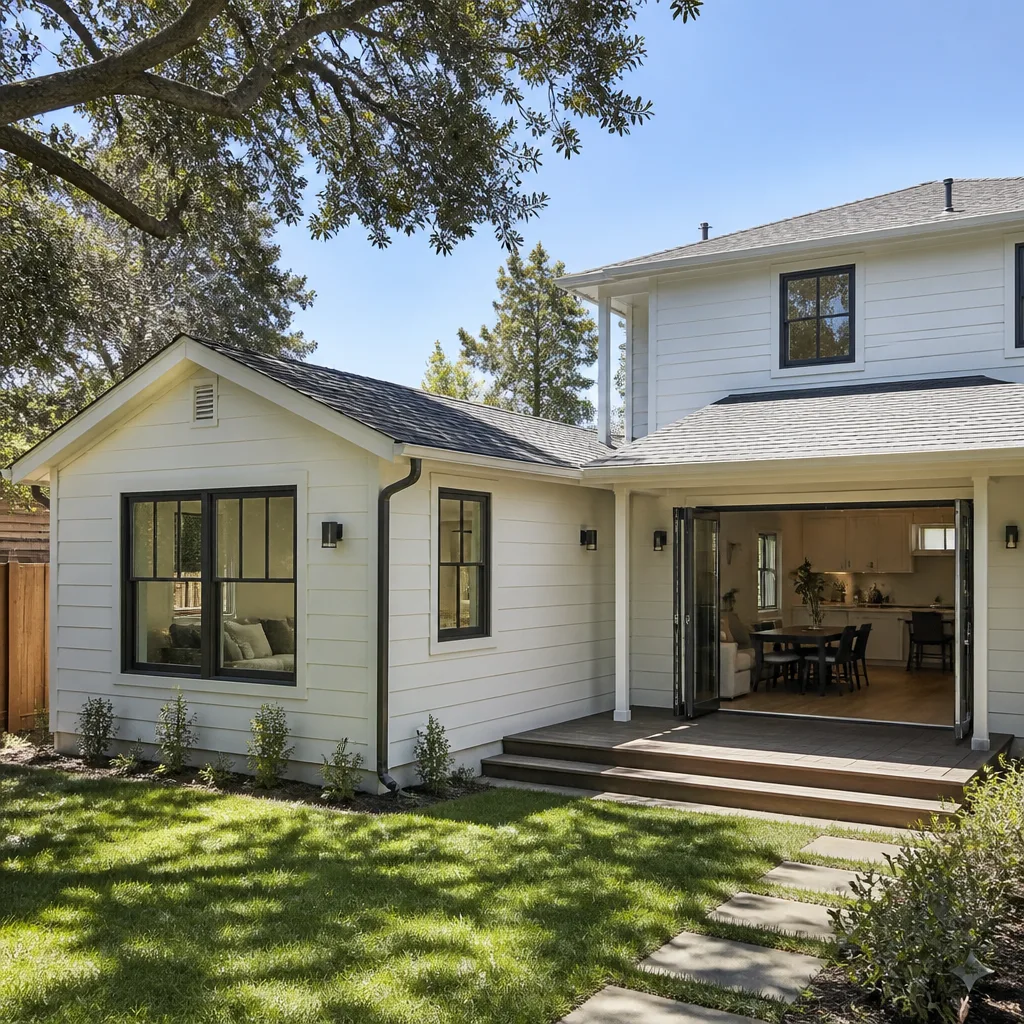


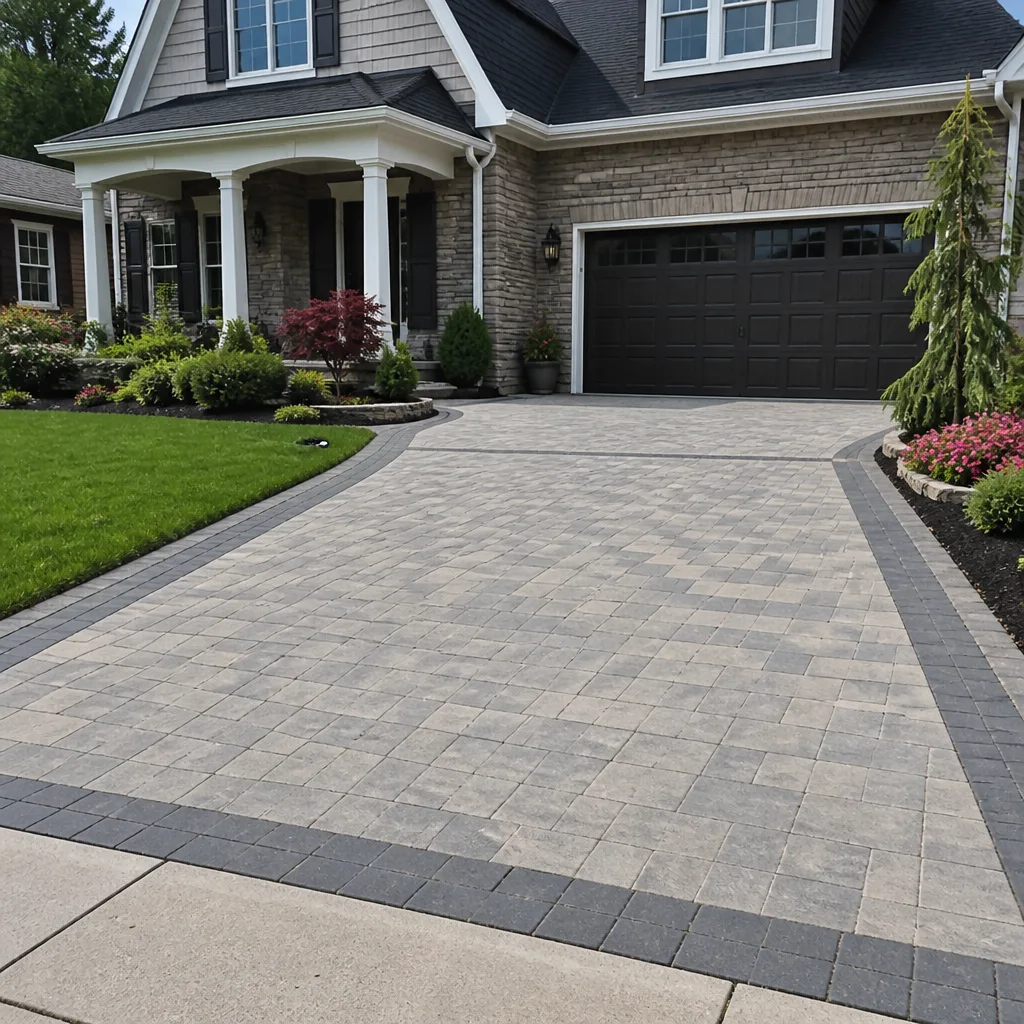
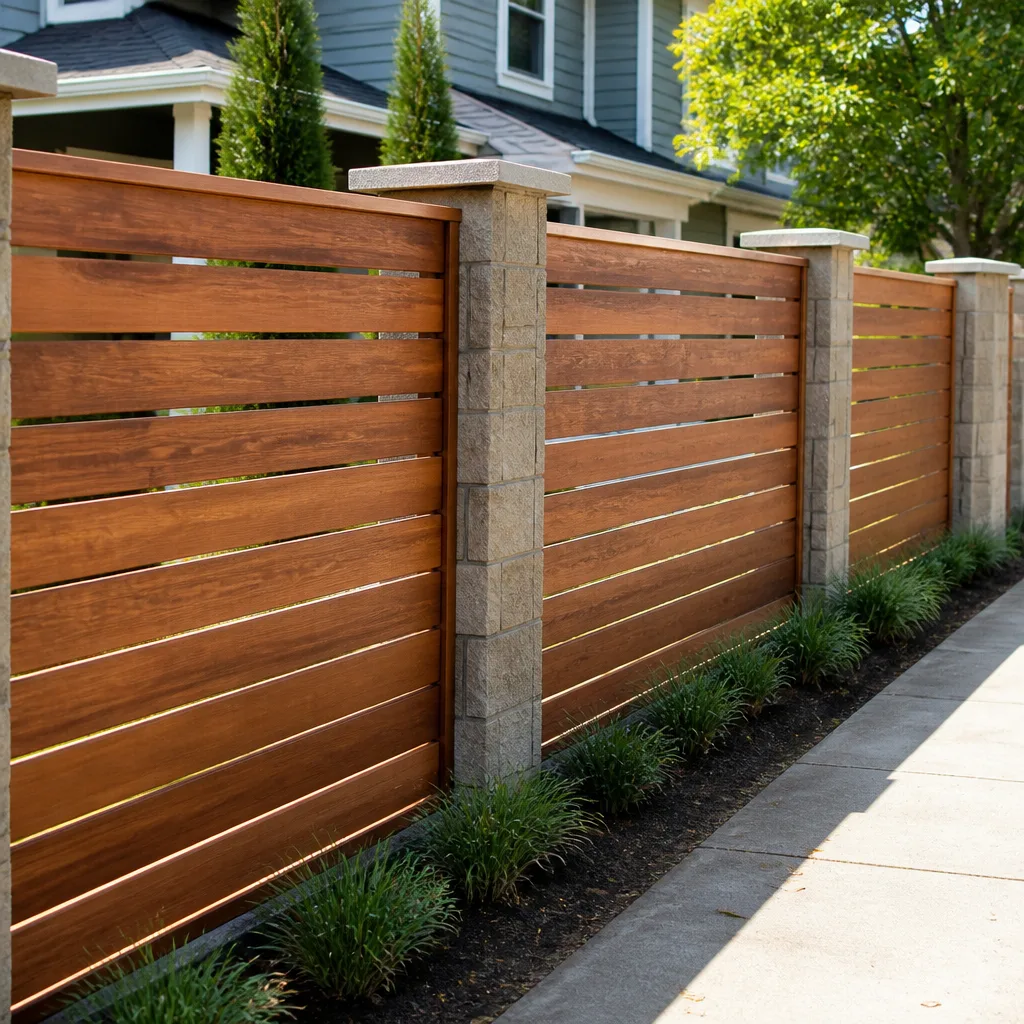
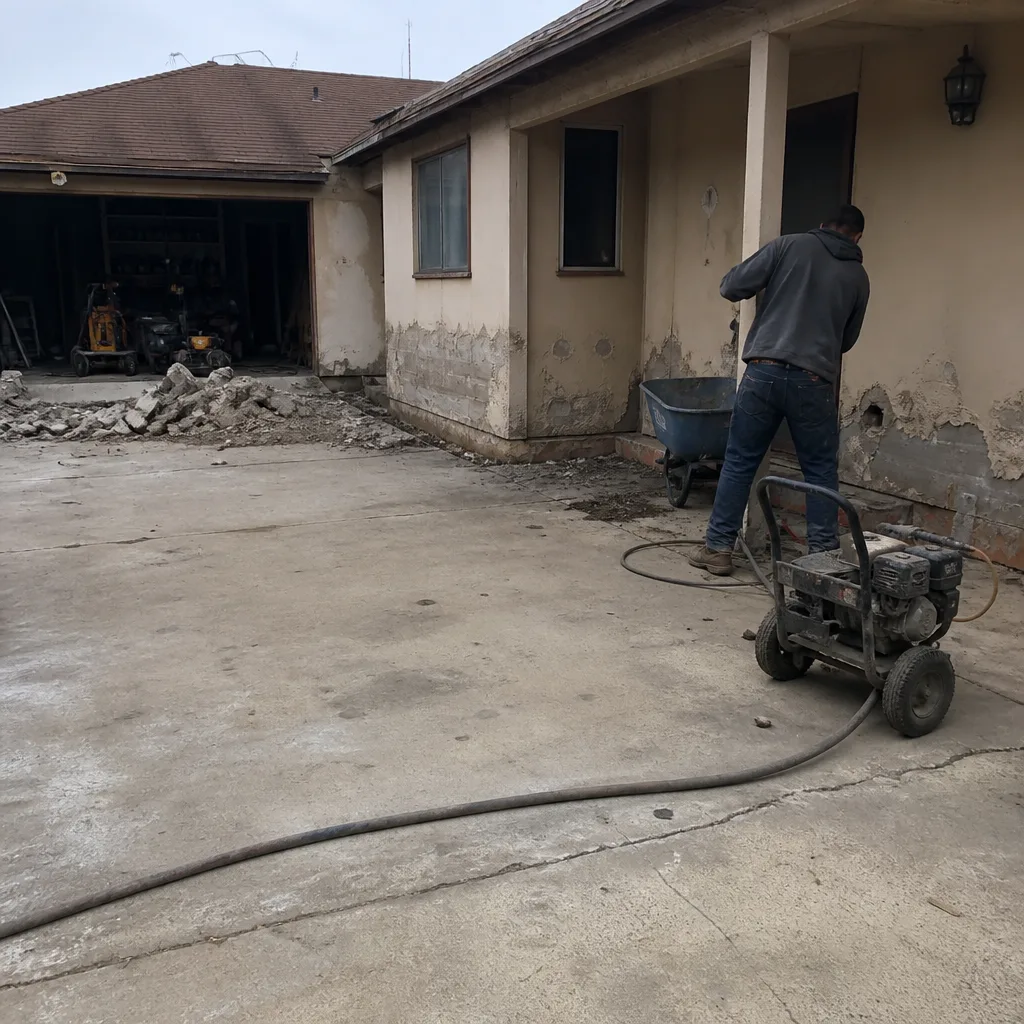 Before
 After
After Before
 After
After Before
 After
AfterSilestone Roofing: The Long Beach Owner’s Guide
Silestone roofing systems in Long Beach typically run $8,000-$20,000 for full replacement and $400-$1,800 for targeted repairs, with most Silestone-compatible membrane and flashing components available same-day through our supplier network. We stock common Silestone profile parts on our Long Beach trucks, and we can source same-day what we don’t carry. Most owners discover a Silestone roofing issue after a rare heavy rain or when they notice lifted membrane edges along the parapet wall - the flat-roof detail that Silestone systems use extensively in coastal California installations.
Which Silestone Models This Applies To
Silestone roofing is not a shingle brand; it is a composite membrane and flashing system originally developed for flat and low-slope applications, common on Long Beach duplexes, ADU additions, and mid-century ranch conversions from the 1980s through the early 2000s. The two active series are the Silestone-T (torch-applied, identifiable by the orange release film on the membrane underside) and the Silestone-S (self-adhered, with a white silicone release liner). Both use proprietary 4-inch and 6-inch preformed corner boots for drain and vent stacks.
To identify your series, check the membrane edge where it meets a vertical wall. Silestone-T shows a heat-welded seam with a slight bead; Silestone-S shows a pressure-rolled lap with factory-applied adhesive. The part numbers matter: Silestone-T uses ST-4 and ST-6 boots; Silestone-S uses SS-4 and SS-6. We source OEM Silestone boots through our Long Beach supplier, though we also carry Mule-Hide and Johns Manville equivalents that meet the same 60-mil thickness and -20°F cold-bend spec. The aftermarket parts cost 15-20% less and carry identical manufacturer warranties, but they must match the membrane chemistry - TPO-based boots on TPO membrane, modified-bitumen on modified-bitumen. Mixing them causes delamination within two years, which we have seen twice in Long Beach near Alamitos Beach where an owner substituted a generic boot.
Signs Your Silestone Roofing Is Failing
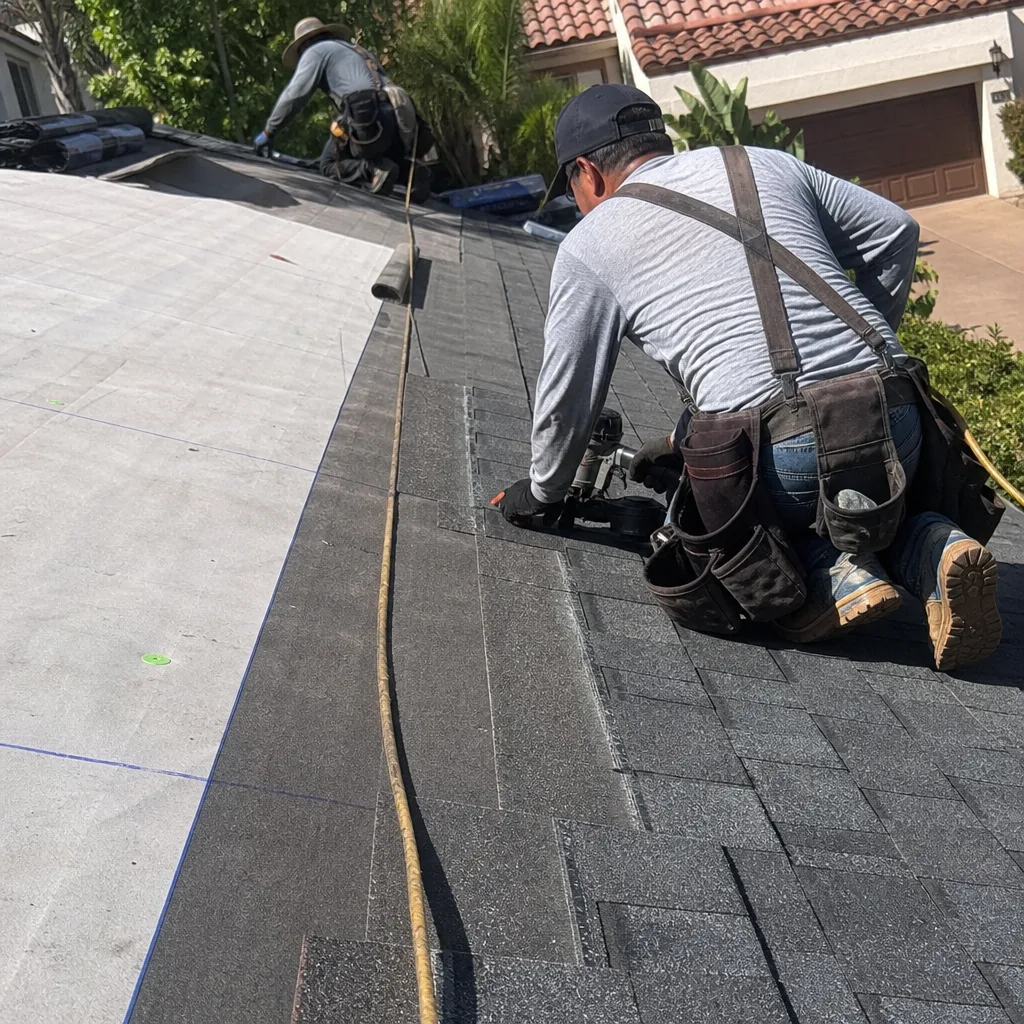
- Blistering or bubbling in the membrane field. Trapped moisture vaporizes beneath the Silestone membrane, usually from a failed seam or puncture. In Long Beach’s marine layer environment, this accelerates because the cool morning condensation re-enters the same gap daily.
- Cracking at parapet wall corners. The Silestone preformed corner boots stiffen with UV exposure; Long Beach’s 280-plus annual sunny days degrade the EPDM rubber faster than inland climates. Once cracked, water tracks behind the flashing and into the wall cavity.
- Soft spots near drains or scuppers. The substrate beneath the membrane saturates and compresses. On Silestone-T systems, this often means the torch-applied base sheet has separated from the insulation below.
- Lifted membrane edges along coping caps. Wind-driven salt air degrades the termination bar sealant. We see this most on east-facing parapets in Long Beach, where the morning sun expands the metal coping faster than the membrane.
- Interior water stains that appear after rain but dry quickly. This indicates a small, direct leak path rather than widespread saturation. On Silestone systems, it is usually a fastener back-out at a seam plate or a split in a pipe boot.
 Before
 After
AfterReplacement Cost & What’s Included
| Service | Long Beach Price Range | What’s Included |
|---|---|---|
| Silestone membrane patch (up to 10 sq ft) | $400-$800 | Cutback, substrate dry-out, new membrane, heat-weld or self-adhere, seam probe test |
| Pipe boot replacement (1-3 boots) | $350-$700 | Removal, substrate inspection, OEM or spec-matched boot, sealant, photo documentation |
| Parapet wall reflash (linear foot) | $45-$85 | Coping removal, membrane termination, new counterflashing, coping reseat |
| Partial Sistema re-sheet (100-300 sq ft) | $2,500-$5,500 | Tear-off to substrate, insulation assessment, new base and cap sheets, warranty |
| Full Silestone roof replacement | $8,000-$20,000 | Complete tear-off, substrate repair, new membrane system, drains, flashings, written warranty |
The range depends on three factors: access (multi-story Long Beach duplexes with zero lot lines cost more), substrate condition (wet OSB or rotted nailers add material), and whether we are matching existing Sistema or upgrading to a current system. Under Clause 1 of The Haven Standard, you get the written price before anyone touches the roof. The quote is flat; the scope is written; no change proceeds without a signed change order. Our 365-Day Done Right Promise covers the workmanship, and the membrane manufacturer covers material defects.
DIY or Call Us?
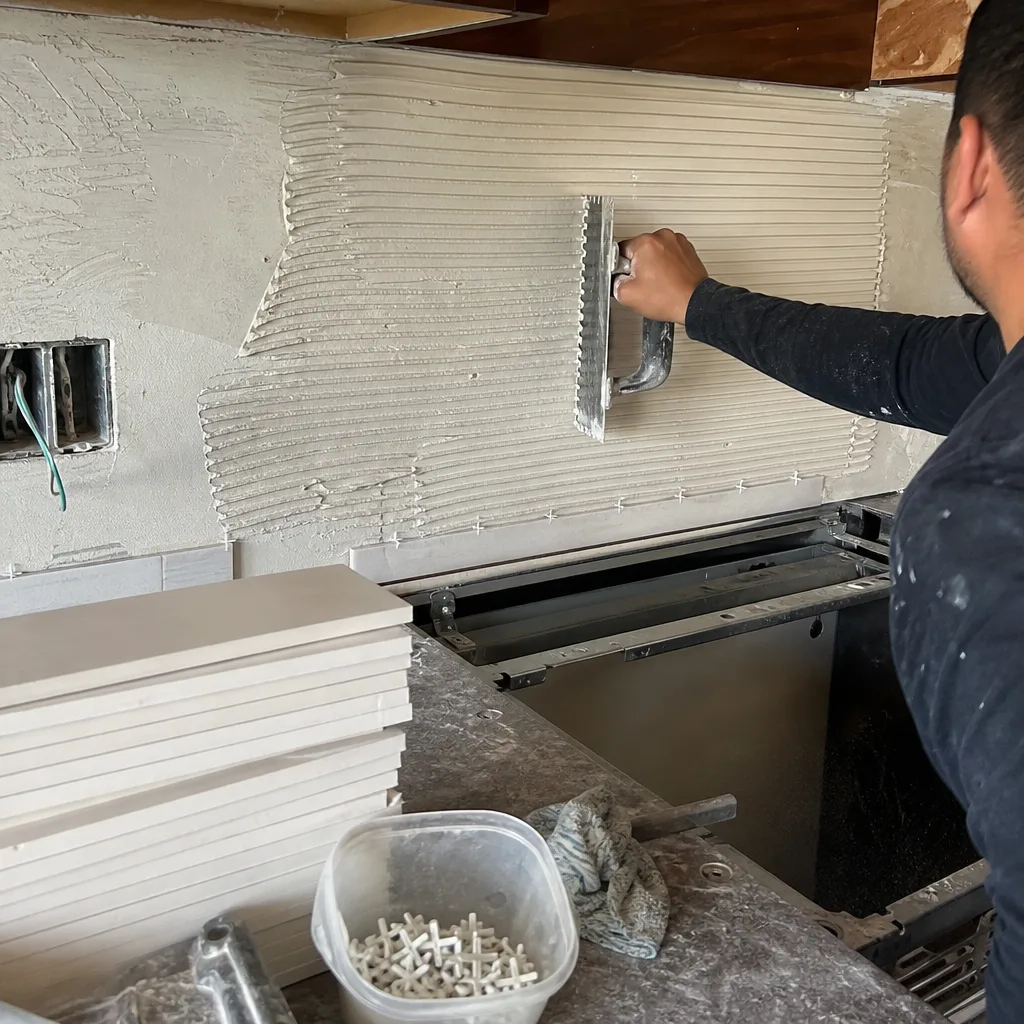
An owner can safely check three things from a ladder or roof hatch: whether a drain is clogged with debris, whether a coping cap has visibly shifted, and whether a pipe boot shows surface cracking. Do not step onto a Silestone membrane if you suspect saturation; the substrate may not support your weight, and the membrane itself becomes slick with dew or algae.
Everything else requires a trained technician. Torch-applied Silestone-T membrane involves open flame and 500°F+ temperatures; self-adhered Silestone-S demands clean, dry conditions and proper roller pressure that most homeowners do not have the tools to achieve. More critically, a failed Sistema repair often leaks slowly into wall cavities for months before showing interior damage, by which time the repair cost has tripled. We carry moisture meters and infrared cameras on every Long Beach truck to verify substrate dryness before we seal anything. Call (424) 567-7009 to schedule your free estimate; we will inspect, photograph what we find, and give you a written price before any work starts.
FAQs
A properly installed Silestone system lasts 20-25 years in Long Beach’s coastal climate, though UV exposure and salt air can shorten this to 15 years on unshaded, south-facing surfaces. Annual inspection of boots and coping seals adds 3-5 years. Call (424) 567-7009 for an exact assessment of your roof’s condition - estimates are free.
Small membrane punctures and localized seam splits can be patched if the substrate beneath is dry. Preformed boots and cracked coping seals must be replaced; patching them fails within one season. We verify substrate moisture before recommending either path. Call (424) 567-7009 for a written evaluation.
Most single-component replacements - a pipe boot, a drain assembly, a linear section of coping reflash - take 2-4 hours. Partial re-sheeting runs 1-2 days. We do not start work until the written scope and price are signed, so there are no surprises on duration or cost. Call (424) 567-7009 to schedule.
We stock 4-inch and 6-inch pipe boots, termination bars, and Sistema-compatible sealants on every Long Beach truck. Less common components - custom scupper assemblies, tapered insulation crickets - we source same-day from our Long Beach supplier. If we do not have it, we will tell you before we schedule, not after we arrive. Call (424) 567-7009 to confirm availability for your specific Sistema model.
Rowan Construction Group Long Beach is an independent service provider and is not affiliated with Silestone. We also stock and install parts for KraftMaid, Cambria, Kohler, and fifty-plus additional vetted brands.
Written by Grant Rowan, Owner, Rowan Construction Group Long Beach at Rowan Construction Group Long Beach, serving Long Beach and nearby areas.