
Last updated September 24, 2026
Free written scope consultation - allowances, timeline, and change-order rules on paper before a single trade is scheduled
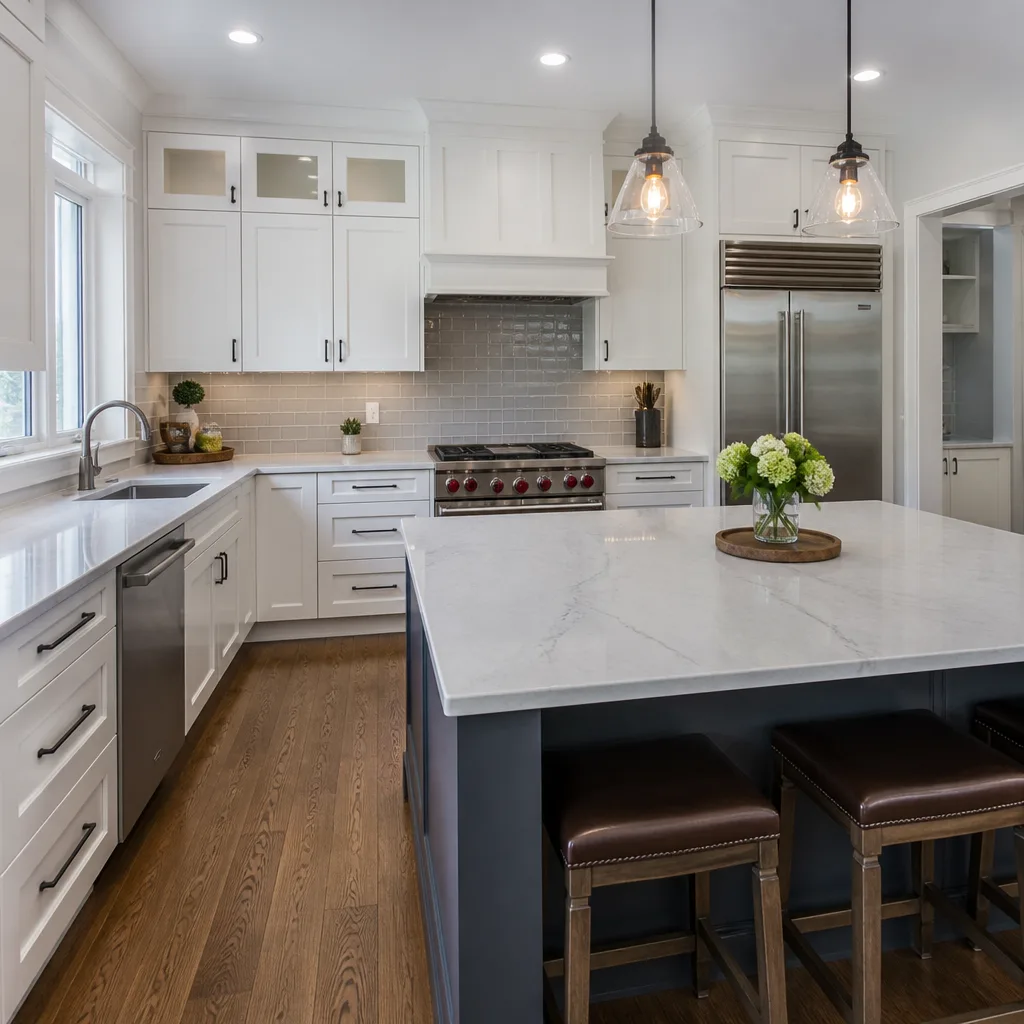
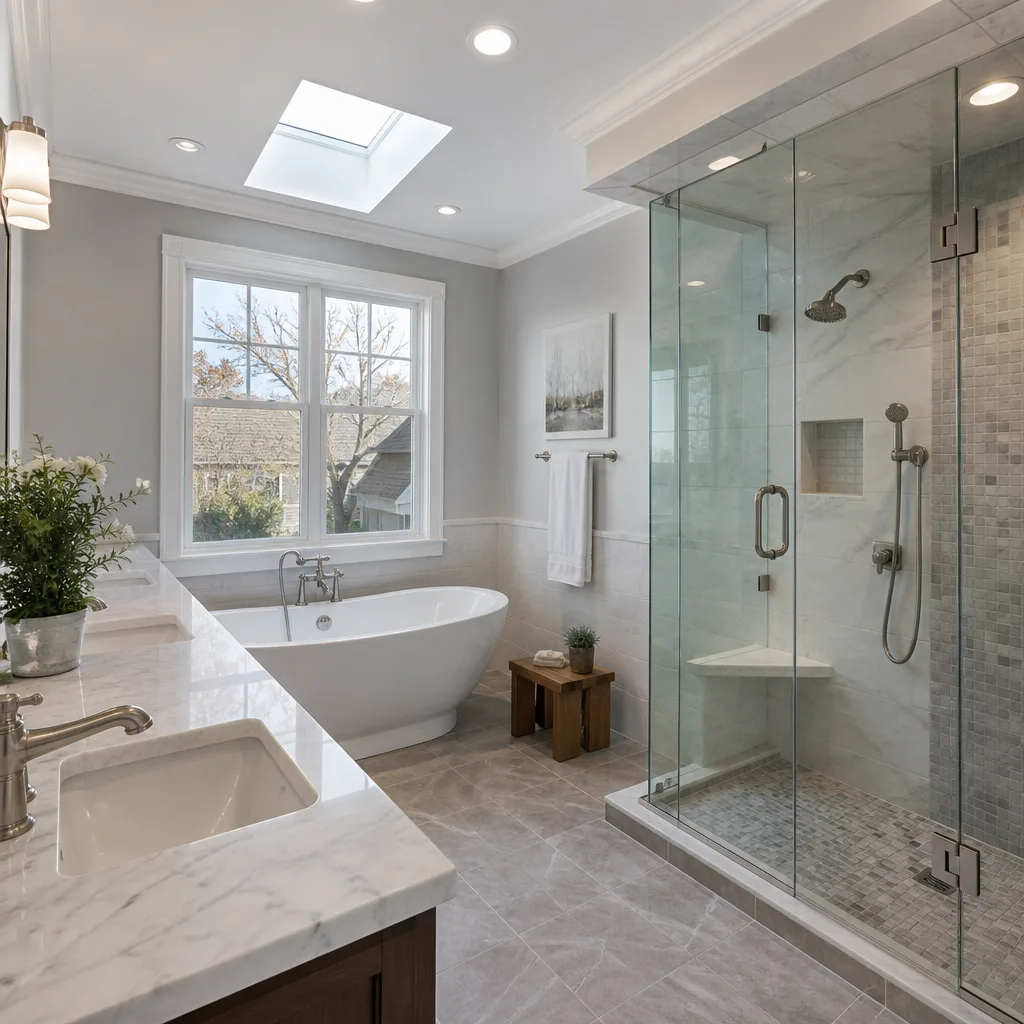
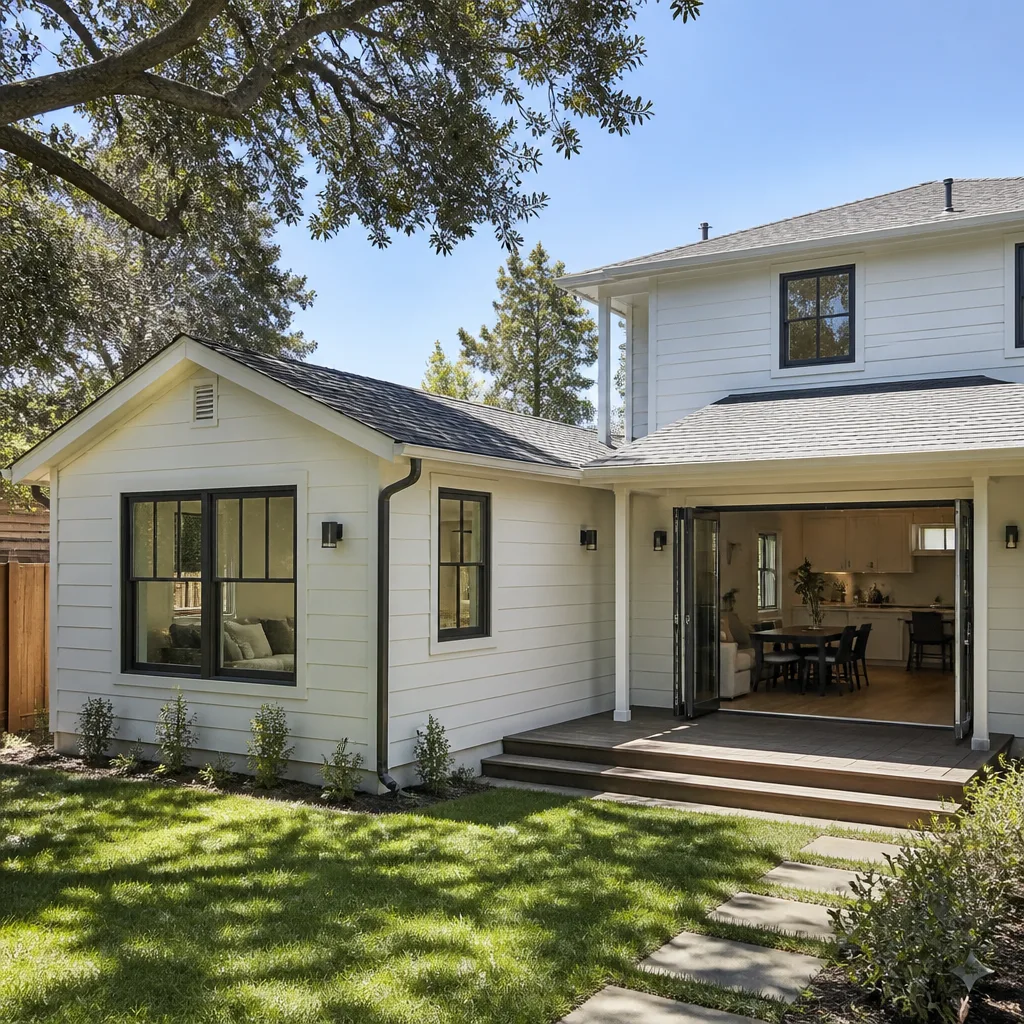

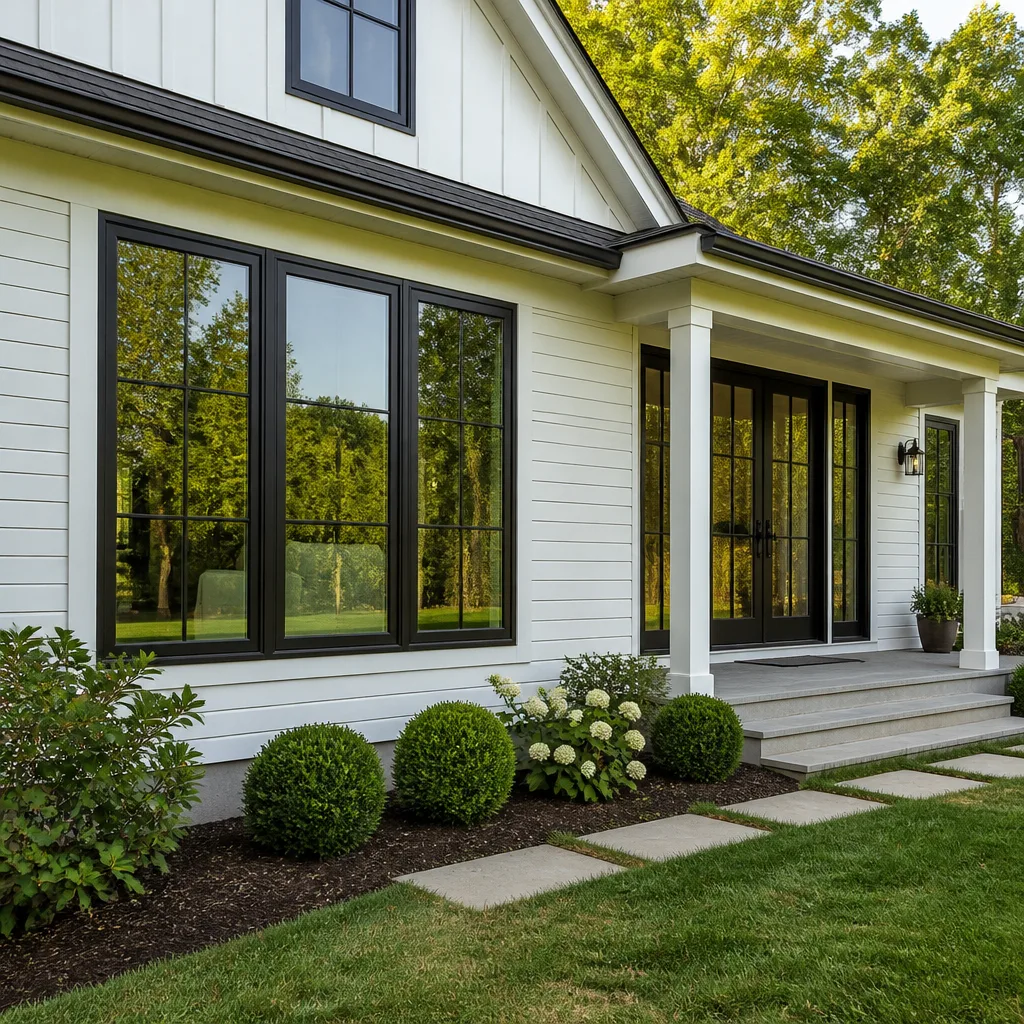
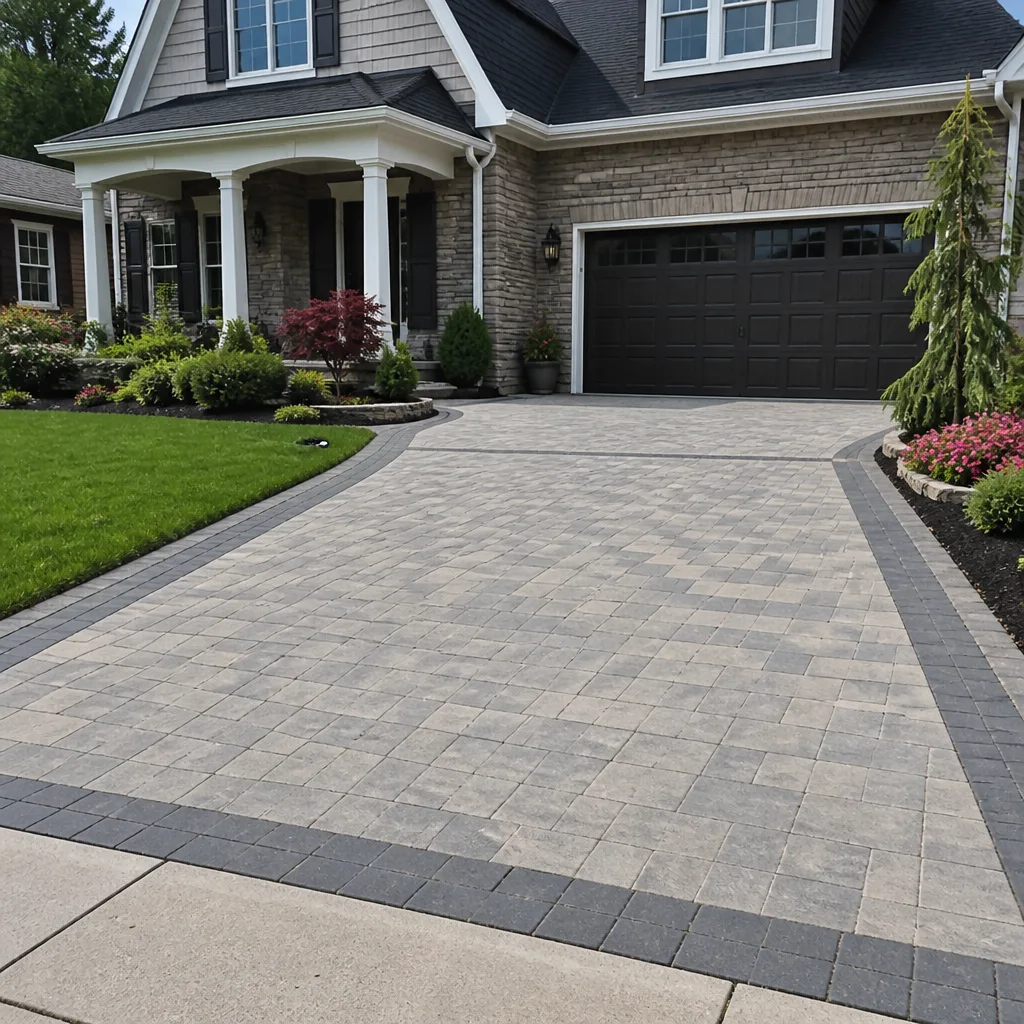
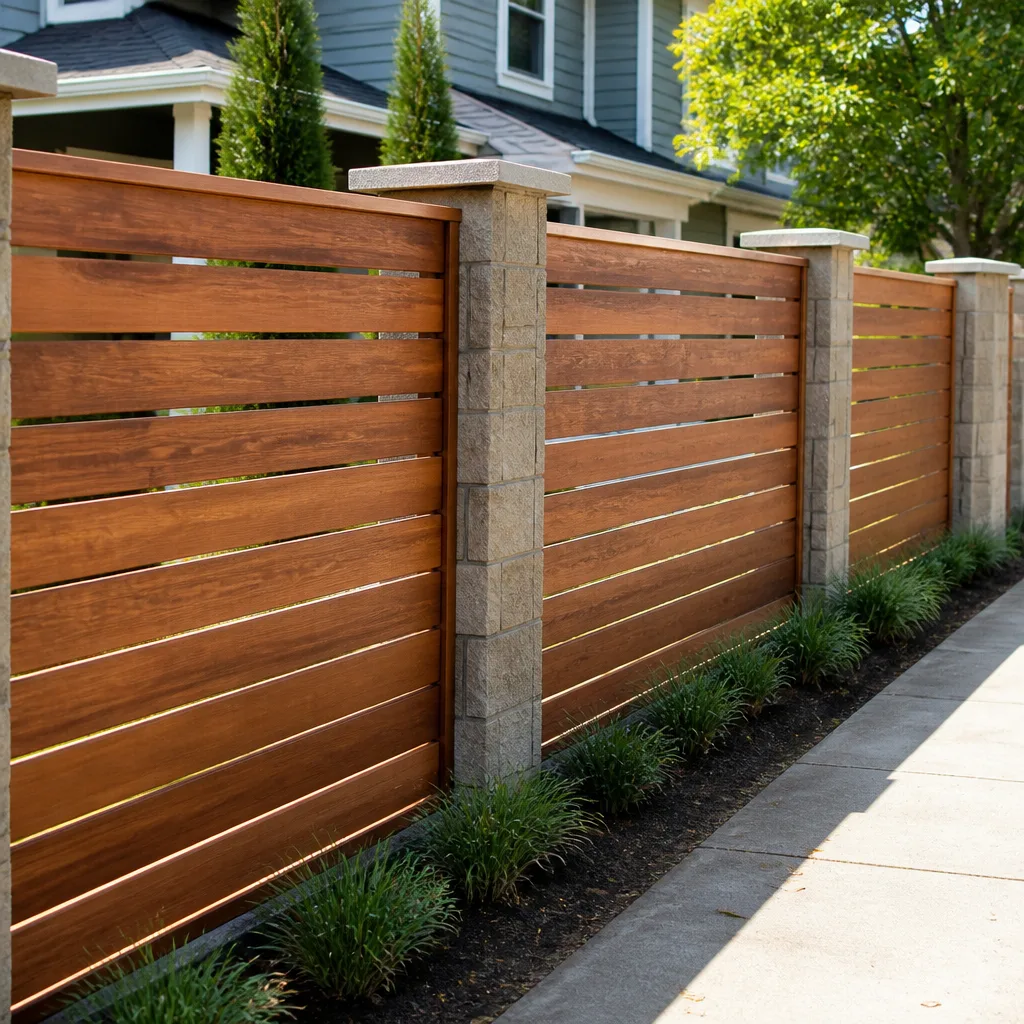
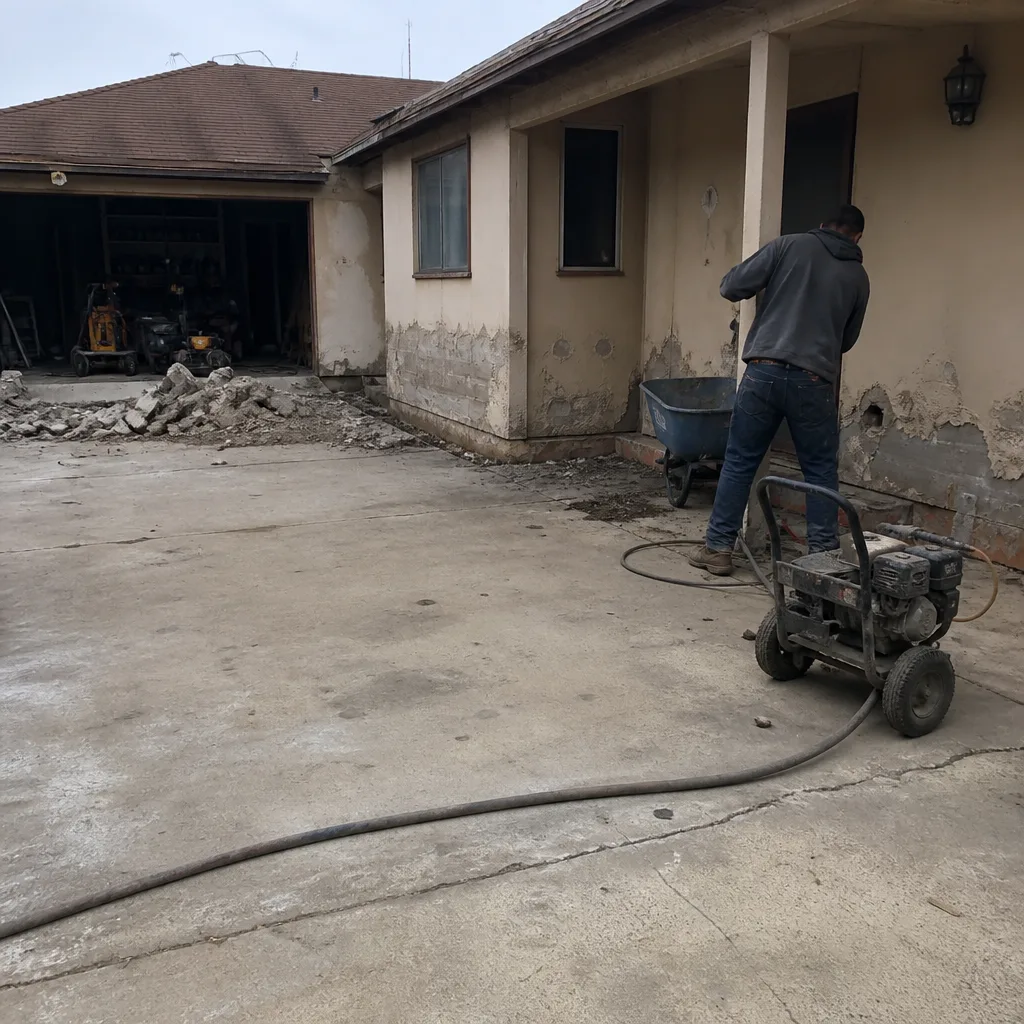 Before
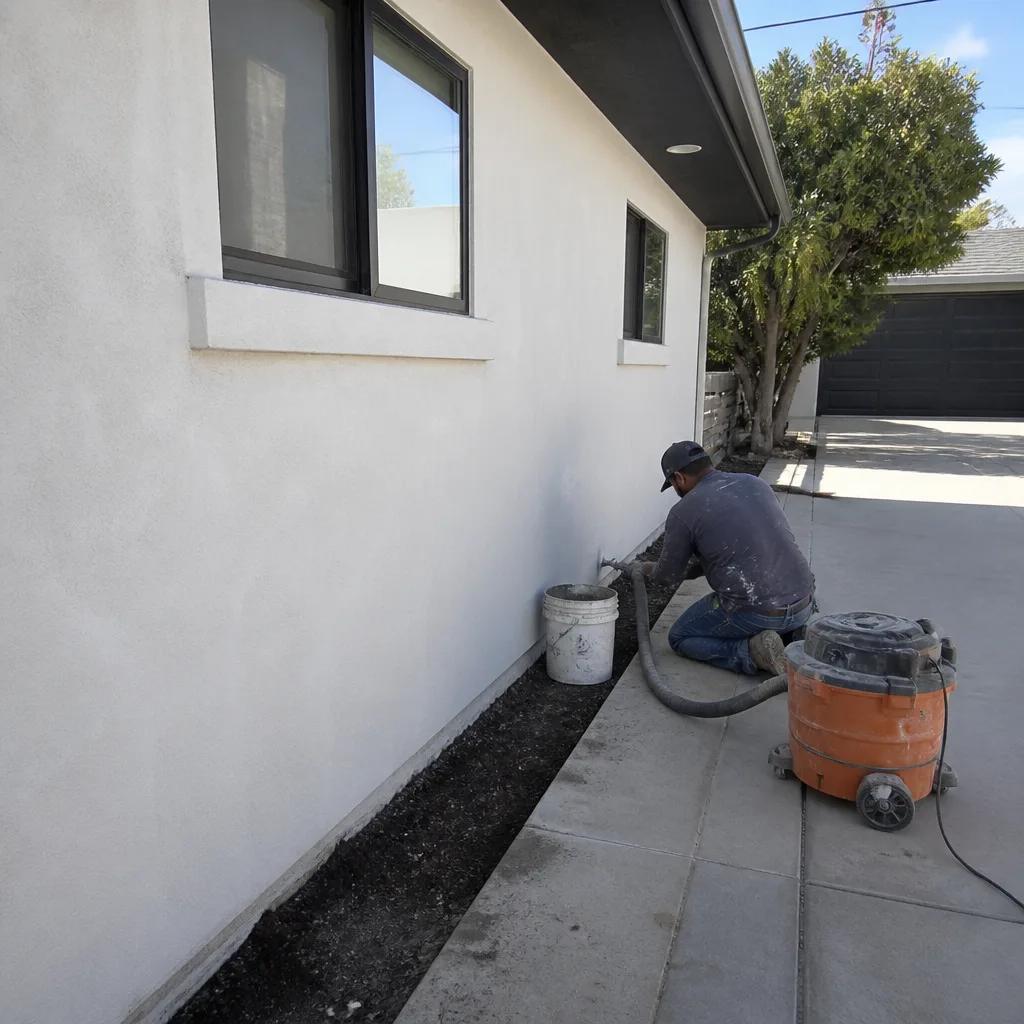 After
After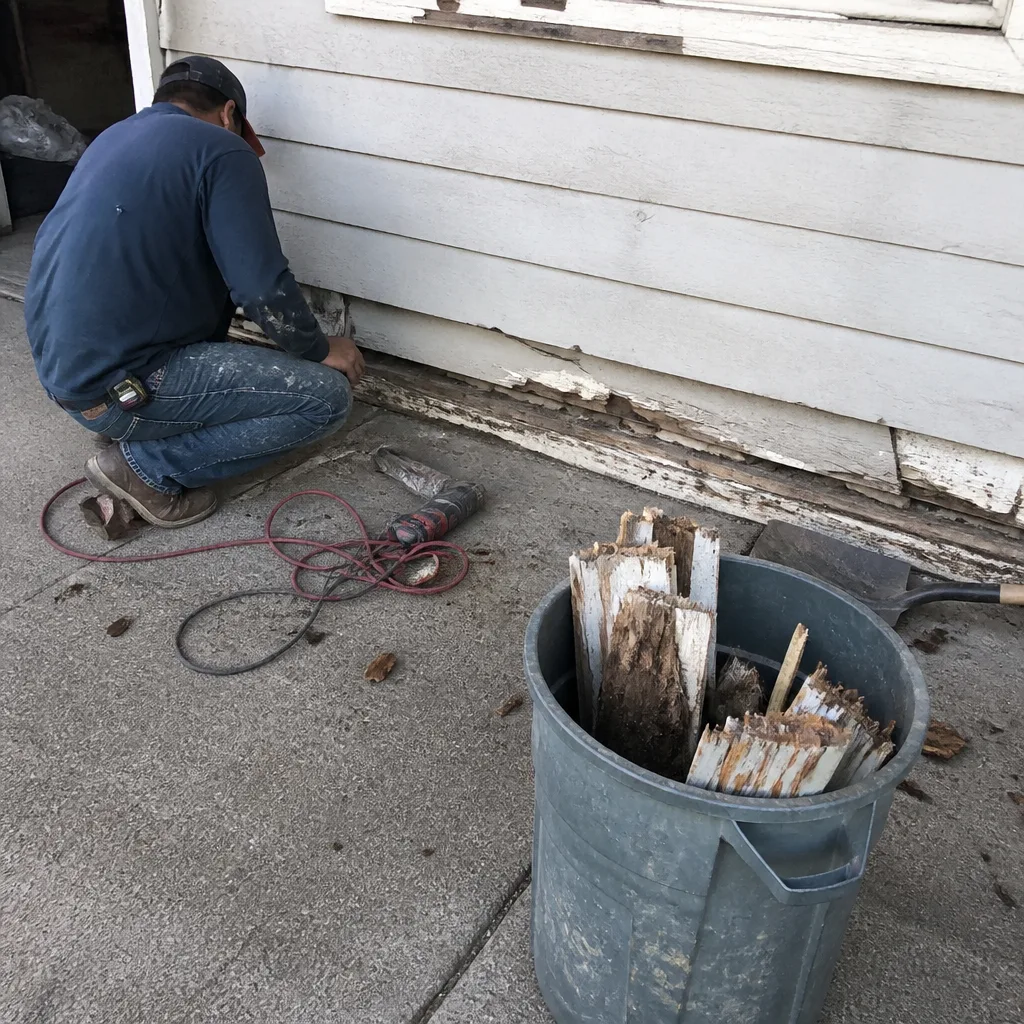 Before
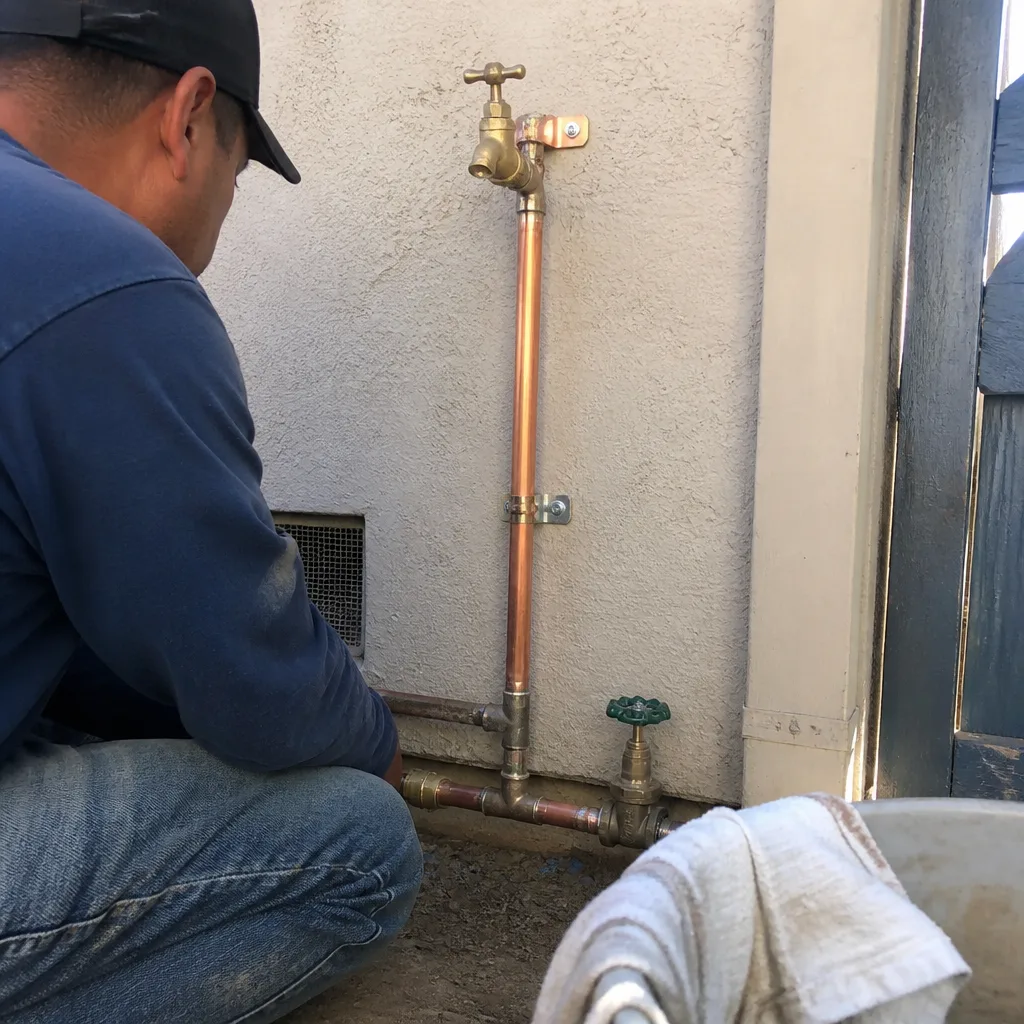 After
After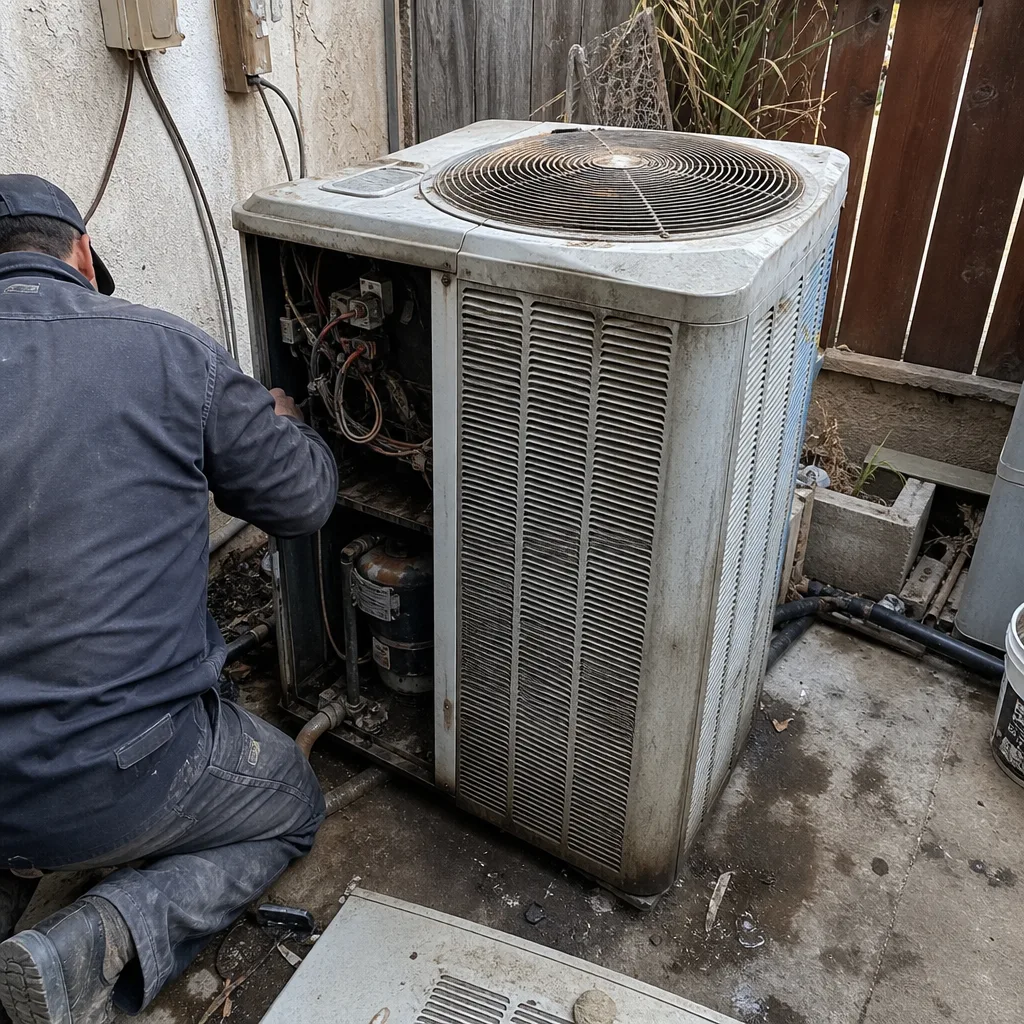 Before
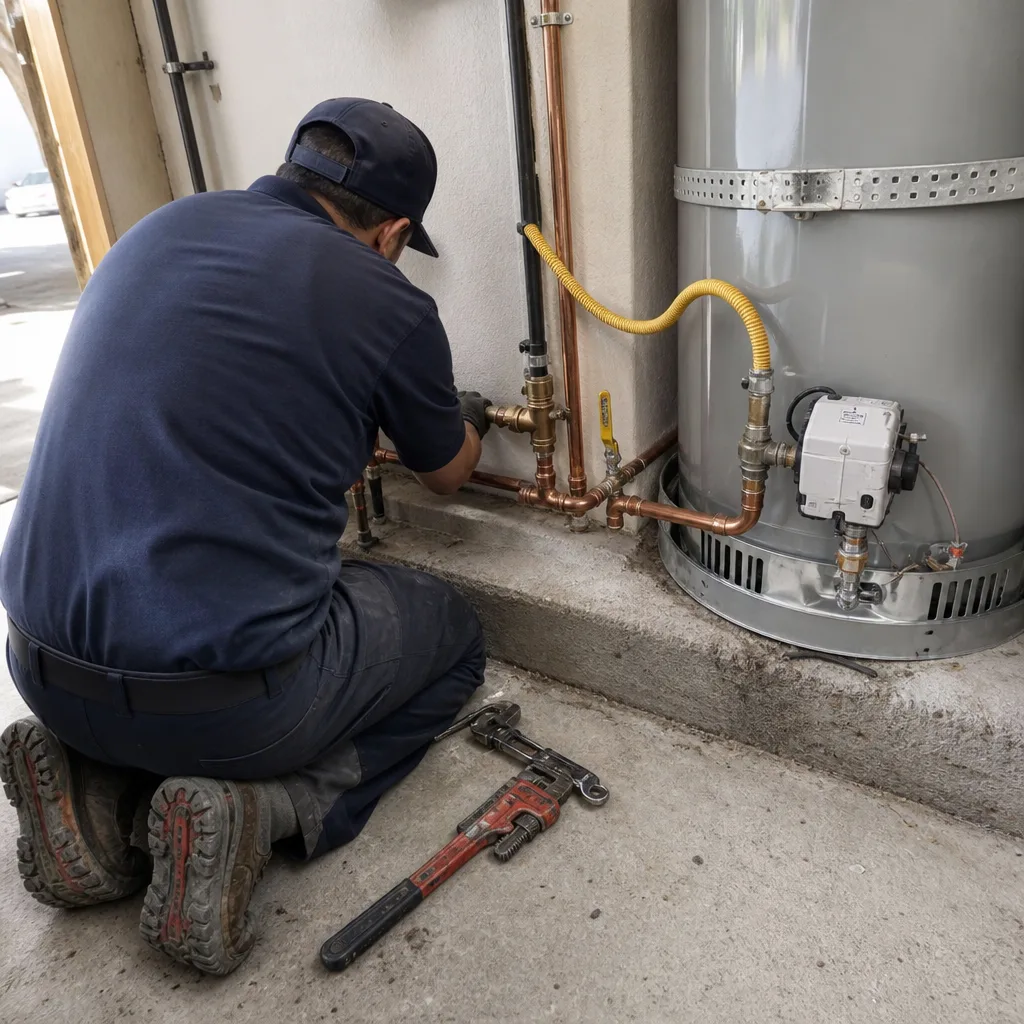 After
AfterDIY vs Professional Construction: The Long Beach Homeowner’s Decision Guide
California allows homeowners to act as their own general contractor under an owner-builder exemption, but that exemption requires a signed disclosure stating the homeowner will not sell the property for one year. A title company will find that clause, and if your closing date falls short, the sale can unwind or renegotiate. In Long Beach, where median home prices have climbed past $800,000 and a typical owner stays just 5.7 years, that one-year lock is not a footnote. It is the single most underreported factor in the DIY-versus-hire decision, and it changes the math on projects that look simple on paper.
This guide draws the line at the permit threshold, not the skill threshold. We will cover which projects California law prohibits you from doing yourself, what the owner-builder permit actually commits you to in Long Beach, how unpermitted work surfaces at resale, and how to decide for the three most common project types we see in Belmont Shore, Bixby Knolls, and the Craftsman Village corridor.
Quick Answer
Most Long Beach homeowners should hire a licensed contractor for any project requiring a city permit, touching electrical or gas systems, or affecting structural elements. California law bars DIY on electrical work above low-voltage, gas line work, structural modifications, and any job valued over $500 in combined labor and materials. The owner-builder permit option carries a one-year resale restriction and an insurance gap that exposes you to uncovered losses if self-performed work fails. For cosmetic work below the permit threshold, such as painting or a simple vanity swap, DIY is legally viable and often cost-effective.
Table of Contents
- What California Law Actually Prohibits
- The Owner-Builder Permit: What Long Beach Requires
- The Insurance Gap No One Mentions
- True Cost Comparison: Three Common Projects
- How Unpermitted Work Surfaces at Resale
- A Three-Question Decision Framework
- Common Mistakes to Avoid
- When to Call a Professional
- Frequently Asked Questions
 Before
 After
AfterWhat California Law Actually Prohibits
California Business and Professions Code Section 7048 draws a hard line that most national DIY guides ignore. Any construction project with a combined value of labor and materials exceeding $500 must be performed by a contractor licensed by the Contractors State License Board, unless the homeowner pulls an owner-builder permit. The $500 threshold includes your own time if you were to hire yourself at market rate, so a weekend of labor plus premium tile or lumber quickly crosses the line.
But the $500 rule is only the floor. Several categories are prohibited regardless of value or permit type:
- Electrical work above low-voltage: Anything beyond doorbell wiring, low-voltage landscape lighting, or smart thermostat installation requires a C-10 licensed electrician. This includes subpanel upgrades, circuit additions, and EV charger installs.
- Gas line work: Any modification to natural gas lines, including appliance connections, requires a C-36 licensed plumber. The risk is not just code compliance; a gas leak in a Long Beach home built on fill soil in the 1950s can migrate unpredictably.
- Structural modifications: Removing or altering load-bearing walls, modifying roof trusses, or changing foundation elements requires engineering sign-off and a licensed contractor. The 1933 Long Beach earthquake rewrote California’s building code, and pre-1940 homes in neighborhoods like Rose Park and California Heights often have unretrofitted cripple walls and soft stories that complicate even minor structural work.
- Roofing on structures over one story: While single-story re-roofing is sometimes owner-builder territory, the height and access issues on Long Beach’s two-story Craftsman and Spanish Revival homes push most roofing into professional scope.
The CSLB enforces these restrictions through sting operations and complaint-driven investigations. A neighbor’s report, an insurance claim, or a future buyer’s inspection can trigger a CSLB inquiry years after the work is complete. The penalty for contracting without a license on work over $500 is a misdemeanor charge, potential fines, and a stop-work order that leaves your project exposed to weather.
At Rowan Construction Group Long Beach, we have reviewed CSLB complaint files as part of our trade education. The most common owner-builder error is not the work itself; it is the failure to recognize that a project crossed into licensed territory mid-stream. A bathroom refresh becomes a subpanel upgrade when the old wiring cannot handle the new heated floor. A kitchen backsplash becomes a gas line relocation when the range moves six inches. The permit application, or its absence, is what separates a legal project from a latent liability.
The Owner-Builder Permit: What Long Beach Requires
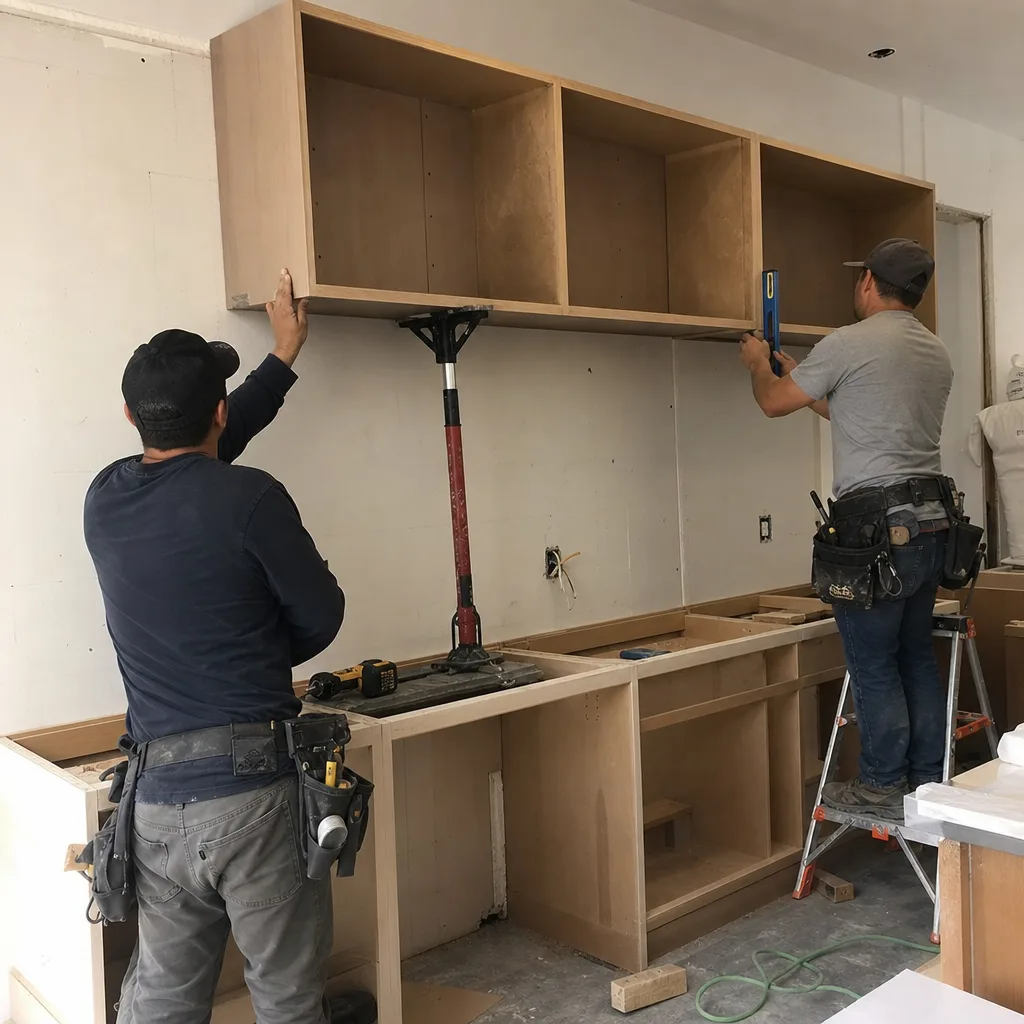
Long Beach Development Services administers owner-builder permits through the same intake process as contractor permits, with additional affidavits. The homeowner must:
- Submit a signed Owner-Builder Disclosure Statement: This document, required by California Business and Professions Code Section 7044, states that you understand you are acting as your own general contractor and assumes all responsibilities for code compliance, worker safety, and lien resolution.
- Attest to the one-year resale restriction: The disclosure includes a clause stating the property will not be sold within one year of permit finalization. This is not a guideline. It is a recorded affidavit that appears in title searches.
- Provide proof of workers’ compensation or a signed exemption: If you hire any workers, even day laborers, you must carry workers’ compensation insurance or have each worker sign a Certificate of Exemption. A homeowner’s policy does not cover hired labor injuries.
- Pass all inspections on the same schedule as contractor-performed work: Long Beach inspectors apply identical code standards regardless of who holds the permit. The owner-builder is responsible for scheduling, accessing, and correcting failed inspections.
The one-year resale restriction is the clause that changes the financial calculus. In Long Beach’s market, where inventory turnover averages 45 days and many owners relocate for work within two to three years, a one-year lock is a material constraint. If you accept a job transfer, face a family emergency, or simply decide to move, the recorded owner-builder affidavit gives a buyer’s title company grounds to demand permit verification, additional inspection, or price reduction.
We have seen this play out in the Bluff Park and Belmont Heights markets, where older homes trade frequently and buyers use thorough inspectors. An owner-builder kitchen addition from 2019, properly permitted and signed off, still required the seller to produce the full inspection record and a letter from the city confirming final status - a scenario our Kitchen Remodeling Maintenance Checklist for Long Beach Homeowners helps prevent. The delay cost the seller a favorable rate lock. The work was fine; the documentation burden was real.
The Haven Standard, which Rowan Construction Group operates under, addresses this with Clause 1: the price is written before anyone starts, and the permit is pulled and closed by our staff, with the final inspection record delivered to the homeowner as a standard document. No affidavit restricting your sale. No title cloud. The permit record shows a licensed contractor, not an owner-builder exemption.
The Insurance Gap No One Mentions
Standard homeowner’s insurance policies contain a universal exclusion for construction defects in self-performed work, even if that work was properly permitted. This is not a Long Beach quirk; it is industry standard. The ISO HO-3 form, used by most carriers, excludes “faulty, inadequate, or defective” work performed by the insured. If your owner-builder bathroom remodel leaks into the subfloor two years later, your policy will likely deny the water damage claim based on the workmanship exclusion.
The gap widens with liability. If a guest is injured on your property due to a condition related to self-performed construction, your liability coverage may be contested. A loose handrail you installed, a step height you altered, a deck attachment you under-engineered - these become coverage disputes rather than straightforward claims.
Licensed contractors carry general liability and workers’ compensation policies that transfer this risk. At Rowan Construction Group, our coverage extends to the project, the crew, and the finished condition. The 365-Day Done Right Promise, printed on every proposal, is backed by a terms page that specifies remedy, not just intent. If a Rowan-installed roof leaks, we repair it. If a Rowan-built addition settles, we correct it. The insurance and the guarantee operate in parallel, not in sequence.
For Long Beach homeowners in flood-prone zones near the Los Angeles River or Alamitos Bay, this gap is acute. A self-performed elevation or foundation modification that fails during a high-water event may be denied under both the workmanship exclusion and the flood exclusion. The result is uninsured loss on a six-figure asset.
True Cost Comparison: Three Common Projects
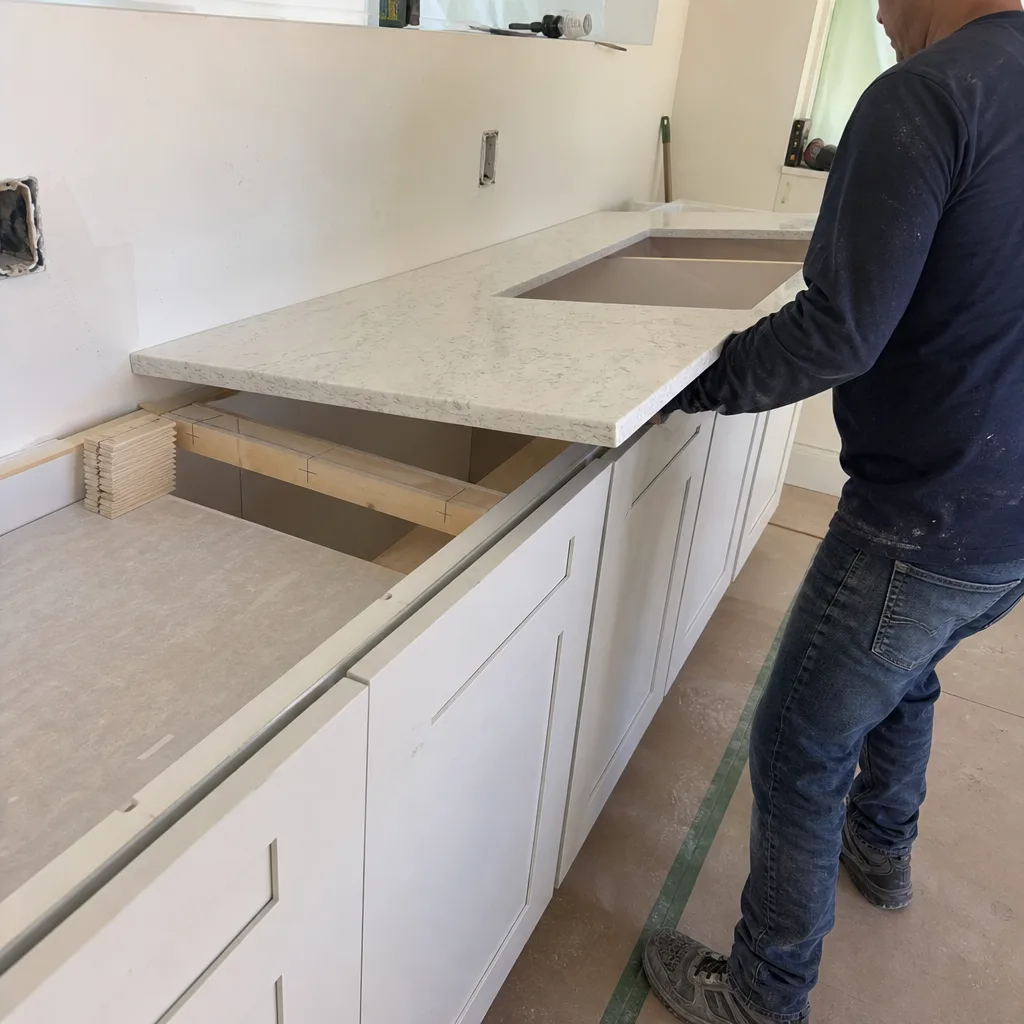
The DIY-versus-hire debate often devolves into labor cost savings without accounting for permit fees, tool purchases, correction costs, and the value of time. Here are three projects we quote regularly in Long Beach, with actual cost ranges based on 2024 material pricing and labor rates in the Los Angeles-Long Beach-Anaheim metro.
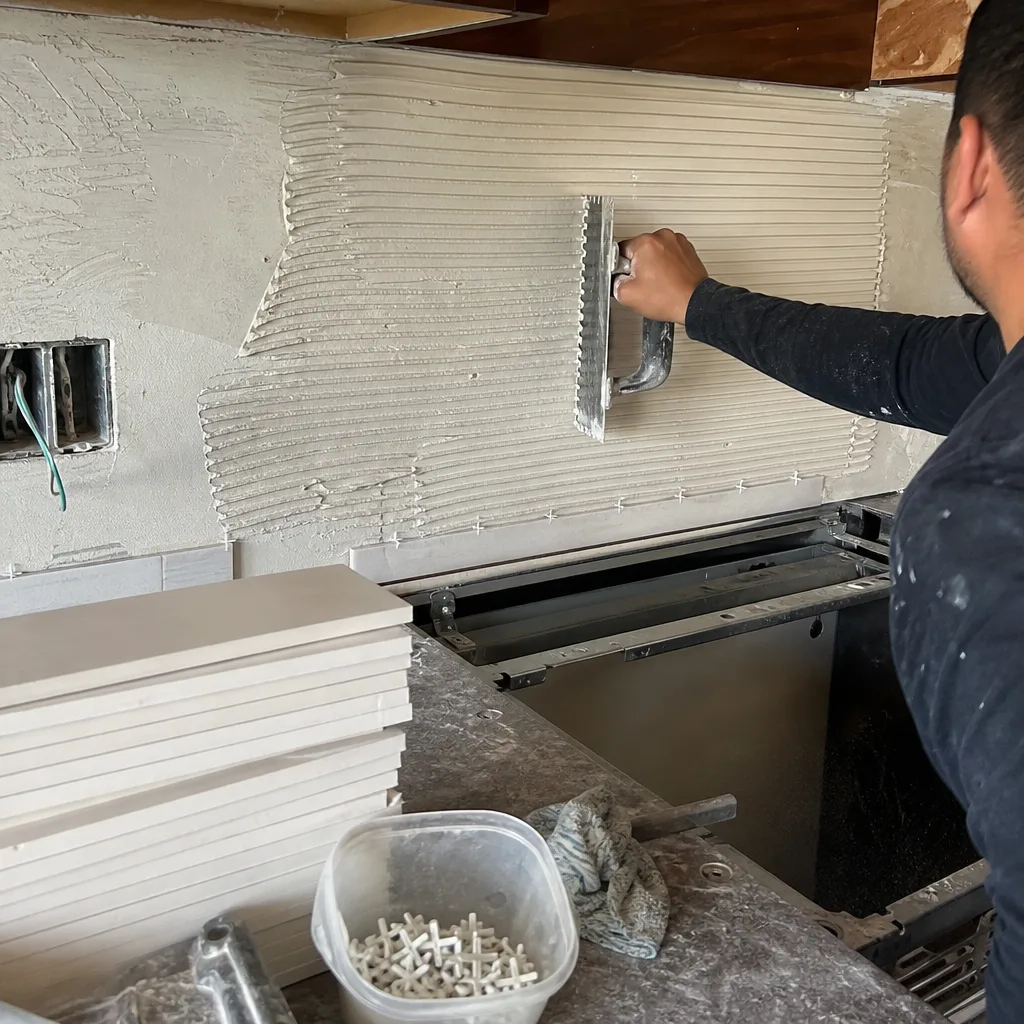
Project 1: Kitchen Tile Backsplash
A 30-square-foot ceramic tile backsplash in a Long Beach kitchen, standard height, with outlet cutouts.
| Component | DIY Cost | Professional Cost |
|---|---|---|
| Tile and materials | $180-$260 | $180-$260 (same) |
| Thinset, grout, sealant | $45-$75 | $45-$75 (same) |
| Tools (wet saw, trowels, spacers) | $120-$160 (purchase or rental) | $0 (included) |
| Labor | $0 (your time, 8-12 hours) | $620-$900 |
| Permit | $0 (below threshold) | $0 (below threshold) |
| Total | $345-$495 | $845-$1,235 |
Potential DIY savings: $300-$500, if done correctly. Common failure modes: lippage from inconsistent thinset application, cracked tiles from improper substrate prep, and grout discoloration from mixing errors. Correction cost by a professional: $800-$1,400, often requiring full removal.
Verdict: DIY viable for homeowners with patience, a level substrate, and no timeline pressure. Not recommended if the wall is plaster over lath, common in 1920s Long Beach bungalows, which requires specialized prep.
Project 2: Bathroom Vanity Swap
Replacing a 36-inch vanity with an IKEA or Home Depot unit, same footprint, no plumbing relocation.
| Component | DIY Cost | Professional Cost |
|---|---|---|
| Vanity and top | $280-$550 | $280-$550 (same) |
| Faucet and drain assembly | $85-$140 | $85-$140 (same) |
| Tools | $30-$50 (wrenches, shims, level) | $0 (included) |
| Labor | $0 (4-6 hours) | $340-$520 |
| Permit | $0 (fixture replacement, no gas/electrical) | $0 |
| Total | $395-$740 | $705-$1,210 |
Potential DIY savings: $310-$470. Risks: overtightened supply lines causing slow leaks, improper sealant at the countertop joint, and uneven installation on Long Beach’s common sloped bathroom floors in pre-1960 homes. These are correctable and rarely catastrophic.
Verdict: Strong DIY candidate. The project is below permit threshold, involves no restricted trades, and errors are discoverable and fixable. Professional value is speed and warranty, not necessity.
Project 3: Electrical Subpanel Upgrade
Upgrading from a 100-amp to 200-amp subpanel to support kitchen appliances, EV charger, or ADU load.
| Component | DIY Cost | Professional Cost |
|---|---|---|
| Panel and breakers | $380-$620 | $380-$620 (same) |
| Wire and conduit | $240-$400 | $240-$400 (same) |
| Permit and inspection | $185-$260 | $185-$260 (same) |
| Labor | Legally prohibited | $1,000-$1,920 |
| Total | Not legally available | $1,805-$3,200 |
Verdict: No DIY option. California requires a C-10 licensed electrician for panel work. The permit will not issue to an unlicensed applicant. Attempting this without a permit voids insurance and creates a fire hazard. In Long Beach’s older neighborhoods, where original 60-amp services still exist in rental conversions, this is one of the most common projects we see deferred until it becomes urgent.
At Rowan Construction Group, kitchen remodeling in Long Beach almost always includes a load assessment. If your 1950s service cannot handle the induction range and the microwave drawer, we specify the subpanel upgrade in the written quote, with Southern California Edison coordination included. The price is flat. The permit is our responsibility. The inspection is scheduled before we start, not after we finish.
How Unpermitted Work Surfaces at Resale
California’s Transfer Disclosure Statement, required on virtually all residential sales, asks specifically about “room additions, structural modifications, or other alterations” and whether proper permits were obtained. The form is signed under penalty of perjury. A seller who knowingly conceals unpermitted work faces post-sale liability, and a buyer who discovers unpermitted work after closing can sue for the cost of permitting, correction, or removal.
The discovery path is predictable in Long Beach’s market:
- Buyer’s inspection: A competent home inspector measures square footage against assessor records, notes finished basement or attic spaces, and flags discrepancies. In Long Beach, where many homes have converted garages and unpermitted ADUs, this is standard practice.
- Appraisal review: The appraiser verifies permitted square footage against city records. Unpermitted space is valued at zero or excluded entirely, potentially sinking a loan approval.
- Title search: The title company pulls permit history. An open permit, an owner-builder affidavit, or a stop-work order appears as an exception that must be cleared before closing.
- Insurance binder review: The buyer’s insurer may require inspection of unpermitted work before issuing a policy, or may exclude coverage for that portion of the structure.
The financial impact typically exceeds the original permit cost by a factor of three to five. A $1,200 kitchen addition permit, avoided in 2019, becomes a $4,000-$6,000 retroactive permitting process in 2024, with potential demolition of finished work to expose framing and electrical for inspection. The buyer’s renegotiation leverage is substantial; we have seen $15,000 credits on $800,000 sales for unpermitted garage conversions in the Zaferia district.
The alternative is disclosure. A seller who discloses unpermitted work upfront typically sees a 2-4% price reduction, or a requirement to permit before closing. In a market where Long Beach homes average 22 days on market, that delay can cost a rate lock, a contingent purchase, or the buyer entirely.
This is why Rowan Construction Group’s documented photo record, included on every visit, serves a long-term function. The permit, the inspection sign-off, and the photo record create a transferable documentation package that streamlines any future sale. Under the Haven Standard, this is not an upgrade. It is Clause 3: the customer leaves with evidence of what was found and what was done.
A Three-Question Decision Framework
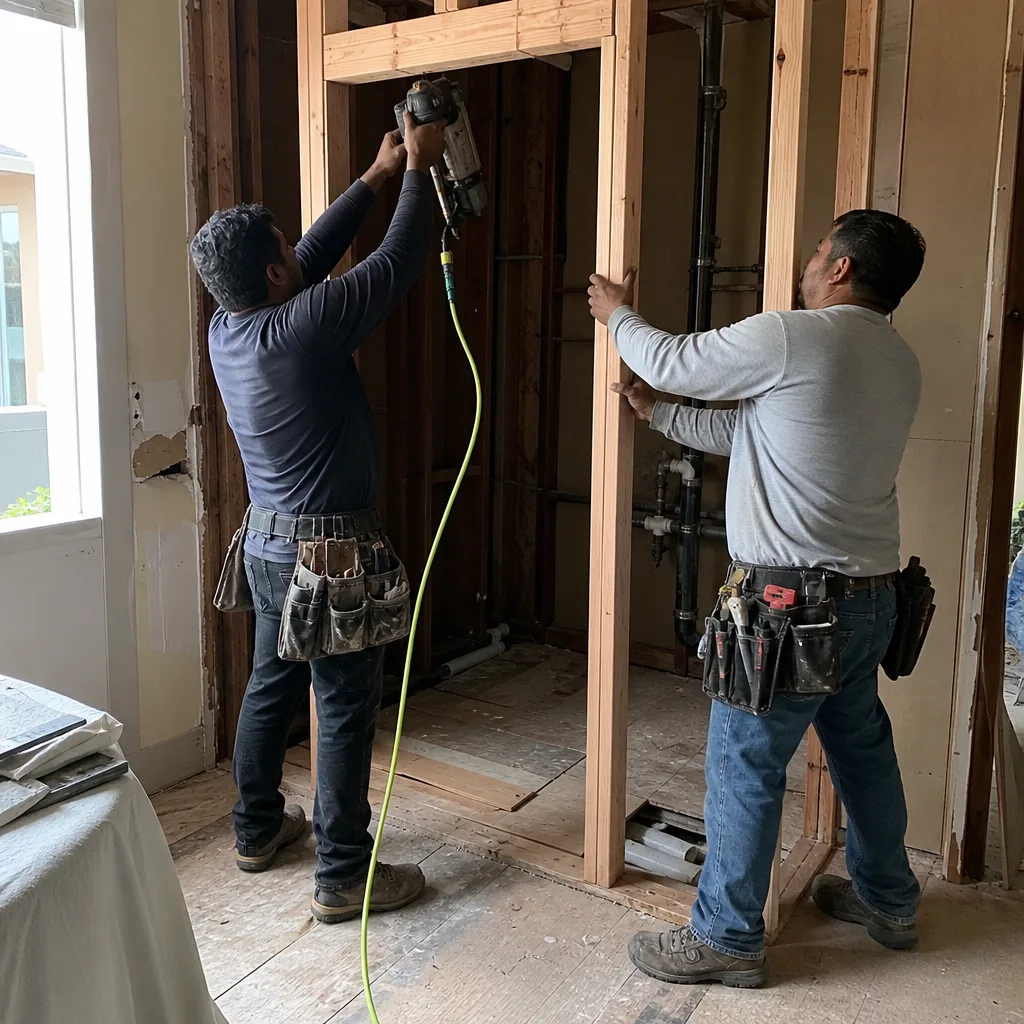
After reviewing thousands of projects across Long Beach, from Signal Hill-adjacent remodels to Naples Island second-story additions, we have distilled the decision to three questions. The answers point to a clear path.
Question 1: Does it require a permit?
If yes, hire a licensed contractor. The permit process is designed for professional navigation. Long Beach Development Services has specific submittal requirements, digital plan standards, and inspection scheduling that assume contractor familiarity. An owner-builder permit is legally available but administratively burdensome, and the one-year resale restriction is a material constraint.
If no, proceed to Question 2.
Question 2: Does it touch gas, electrical, or structural systems?
If yes, hire a licensed contractor regardless of permit status. These are the three categories with genuine safety risk, code complexity, and insurance exclusion. A gas leak in a Belmont Shore crawlspace, an overloaded circuit in a California Heights bungalow, or a compromised shear wall in a Bluff Heights soft-story - these are not learning opportunities. They are emergencies waiting for a trigger.
If no, proceed to Question 3.
Question 3: Will it be visible or inspectable at future sale?
If yes, consider professional execution even if DIY is legally permitted. A poorly installed tile backsplash is a cosmetic flaw. An unpermitted but visible electrical outlet is a disclosure obligation and a potential deal-killer. The resale exposure of visible work is higher than hidden work because buyers and inspectors see it immediately.
If no, and you have the skill and time, DIY is a rational choice. Painting a bedroom, replacing cabinet hardware, or installing shelving in a closet carries minimal legal, safety, or resale risk.
Summary matrix:
| Permit? | Gas/Elec/Structural? | Visible at Sale? | Recommended Path |
|---|---|---|---|
| Yes | Any | Any | Hire licensed contractor |
| No | Yes | Any | Hire licensed contractor |
| No | No | Yes | Hire or DIY with documentation |
| No | No | No | DIY if skilled |
For projects in the “hire” category, bathroom remodeling in Long Beach and other trades follow the same framework. The permit status determines the contractor requirement; the trade complexity determines the specialist need.
Common Mistakes to Avoid
- Assuming “minor” electrical is legal DIY. Replacing a light fixture on an existing box is generally permissible. Adding a circuit, upgrading a panel, or extending wiring is not. The $500 threshold and the C-10 requirement are independent tests; either can make DIY illegal.
- Pulling an owner-builder permit without reading the resale restriction. The affidavit is recorded. It is searchable. It will appear in a title report. If your job situation, family plan, or market timing might change within a year, this is a binding constraint you cannot undo without permit finalization and a release process.
- Skipping permit finalization. An open permit is worse than no permit. It signals incomplete work, failed inspections, or abandonment. Long Beach Development Services will not issue new permits on a property with open permits until resolution. We have seen homeowners unable to sell for months because a 2017 bathroom permit was never finaled.
- Using unlicensed day labor for “assistance.” California law considers anyone performing construction work for compensation to be an employee or contractor, with corresponding workers’ compensation and tax obligations. An injured worker on your property, paid in cash, can sue you personally and deny your homeowner’s coverage through the business pursuit exclusion.
- Assuming a home equity loan or HELOC covers unpermitted work. Most lenders require permit verification for construction draws. Unpermitted work may void your loan terms or trigger immediate repayment. Check your loan documents before starting.
- Ignoring Long Beach’s specific coastal zone requirements. Properties west of Ocean Boulevard and in the Peninsula may fall under California Coastal Commission jurisdiction for exterior modifications. A permit that is valid inland may be insufficient coastal. The city will flag this at intake, but only after you have paid fees and waited in queue.
- Valuing YouTube skill over code knowledge. A video demonstrates technique. It does not address Long Beach’s amended Title 24 energy requirements, local amendments to the California Building Code, or the specific soil conditions that affect foundation work in the flood plain. Technique without code compliance is unpermitted work that looks good.
When to Call a Professional
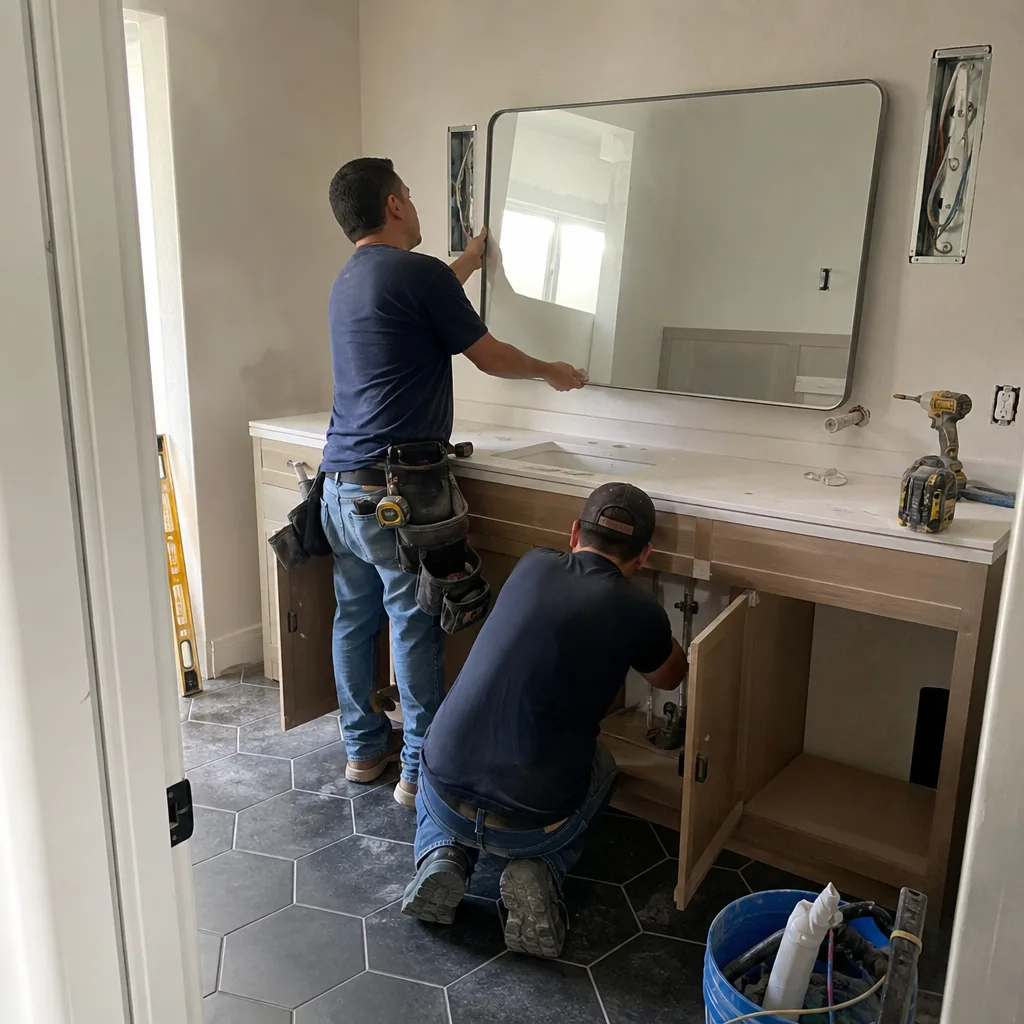
Call a licensed contractor when your project requires a permit, touches restricted trades, or will be scrutinized at resale. This describes most kitchen and bathroom remodels, all electrical and gas work, structural modifications, roofing, window and door replacement, and any home addition or ADU in Long Beach.
Rowan Construction Group Long Beach offers free estimates on all seven trades. We will review your project, identify permit requirements, and deliver a written flat price before any work starts. Our proposals include the scope, the schedule, the permit strategy, and the 365-Day Done Right Promise terms. For homeowners comparing options, we also offer a Free Second Opinion on any written estimate from another contractor - we will review it line by line at no charge - and invite you to explore more guides & resources on our blog.
Call (424) 567-7009 to schedule your free estimate. A live person answers 24/7, and we will confirm your appointment by text.
Frequently Asked Questions
Permit fees vary by project value and type, but a typical residential remodel permit runs $800-$2,400 including plan check and inspection fees. The owner-builder permit itself has no additional fee beyond standard permit costs, but the required disclosure affidavit is recorded and may incur a county recorder fee of $20-$50. Call (424) 567-7009 for an exact quote on your specific project - estimates are free.
Fixture replacement, like swapping a toilet or faucet on existing stops, is generally permissible without a license if the total value is under $500. Any gas line work, water heater replacement, repiping, or sewer line work requires a C-36 licensed plumber. The $500 threshold includes your labor at market rate, so a multi-fixture bathroom update typically crosses into licensed territory. For bathroom remodeling in Long Beach, we recommend professional plumbing on all but the simplest fixture swaps.
The sale can be delayed, renegotiated, or canceled. Title companies flag open permits as exceptions. Buyers may demand permit finalization, additional inspection, or a price credit. In Long Beach’s competitive market, a 30-day delay to close an open permit can cost a favorable interest rate or the buyer’s contingent sale. The remedy is to finalize the permit before listing, which requires passing all inspections and obtaining a certificate of completion from Long Beach Development Services.
No. Standard policies exclude construction defects in self-performed work, even if permitted. This includes water damage from a self-installed shower pan, fire damage from self-wired circuits, and structural damage from self-built additions. Licensed contractor work is covered by the contractor’s general liability policy and your policy’s standard provisions. If you are considering significant work, verify your coverage with your insurer before starting. Call (424) 567-7009 for an estimate on professionally executed work - the insurance protection is part of the value.
Call Long Beach Development Services at (424) 567-7009 or use their online permit wizard. General rules: structural changes, electrical, plumbing, roofing, window replacement, and any work over $500 require permits. Cosmetic work - painting, flooring, cabinet hardware, shelving - generally does not. When in doubt, assume a permit is required and verify. Unpermitted work discovered later is always more expensive to remedy than permitting upfront.
Yes, but with conditions. We will assess the work to date, identify code compliance issues, and quote the correction and completion as a flat price. We do not accept liability for prior work unless we can verify its condition. In some cases, partially completed DIY work must be removed to expose framing or systems for inspection. The written quote will specify what stays, what goes, and what the finished project includes. For roofing in Long Beach and other trades, we have completed many homeowner-started projects - call (424) 567-7009 to schedule an assessment.
The Bottom Line
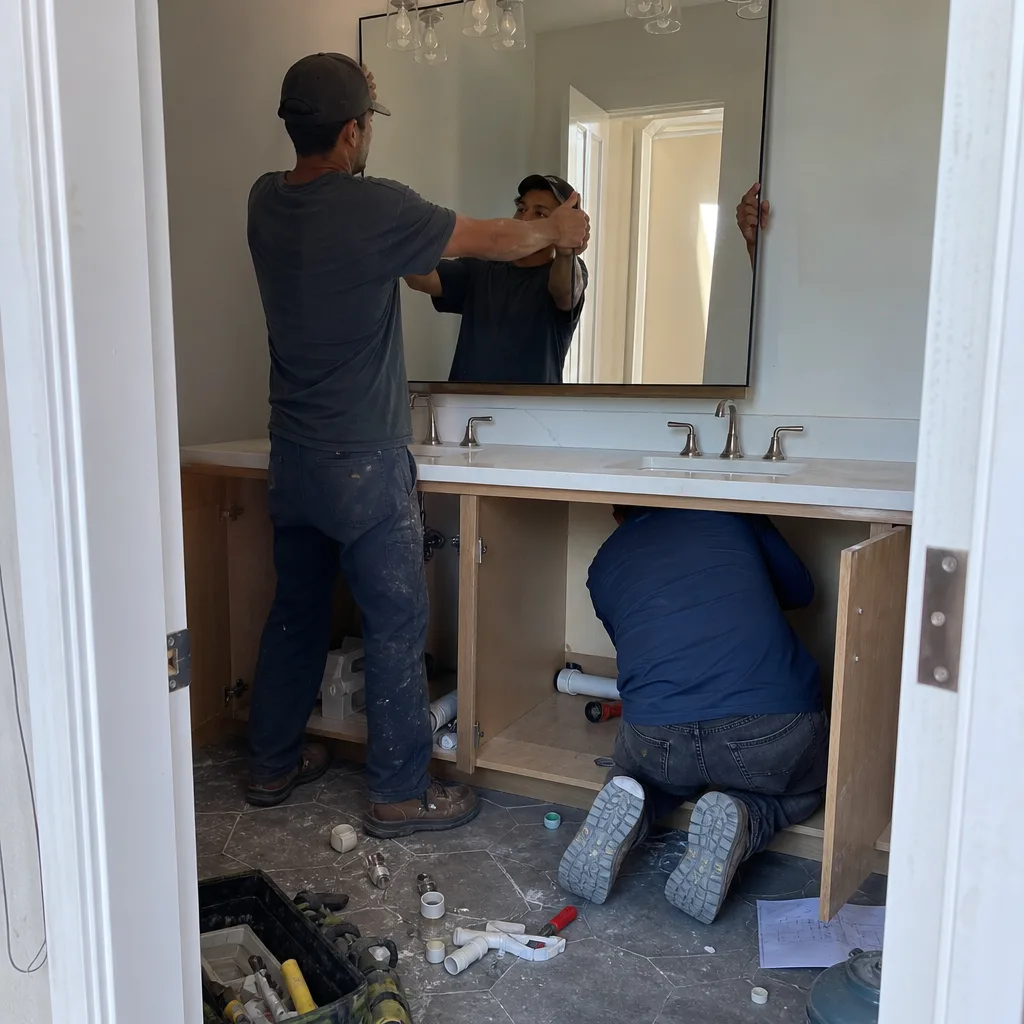
The DIY-versus-hire decision in Long Beach is governed less by your skill with a saw than by California’s permit laws, insurance exclusions, and resale disclosure requirements. The owner-builder permit is not a free pass; it is a recorded commitment with a one-year resale lock and an insurance gap that exposes you to uncovered losses. For projects below the permit threshold and outside restricted trades, DIY remains a rational choice with genuine savings. For everything else, a licensed contractor transfers risk, guarantees code compliance, and delivers documentation that protects your sale price years later.
The three-question framework - permit, restricted trade, resale visibility - cuts through the noise. Answer honestly, and the path is clear. When that path leads to professional work, Rowan Construction Group delivers a written flat price before any work starts, a documented photo record on every visit, and the 365-Day Done Right Promise backed by The Haven Standard, not a handshake. Since 2007, across 4,000-plus projects, our discipline of signed change orders has kept costs within a few percent of the agreed price. That is not enthusiasm. That is a documented record.
Written by Grant Rowan, Owner at Rowan Construction Group Long Beach, serving Long Beach since 2007.