
Last updated September 24, 2026
Free written scope consultation - allowances, timeline, and change-order rules on paper before a single trade is scheduled
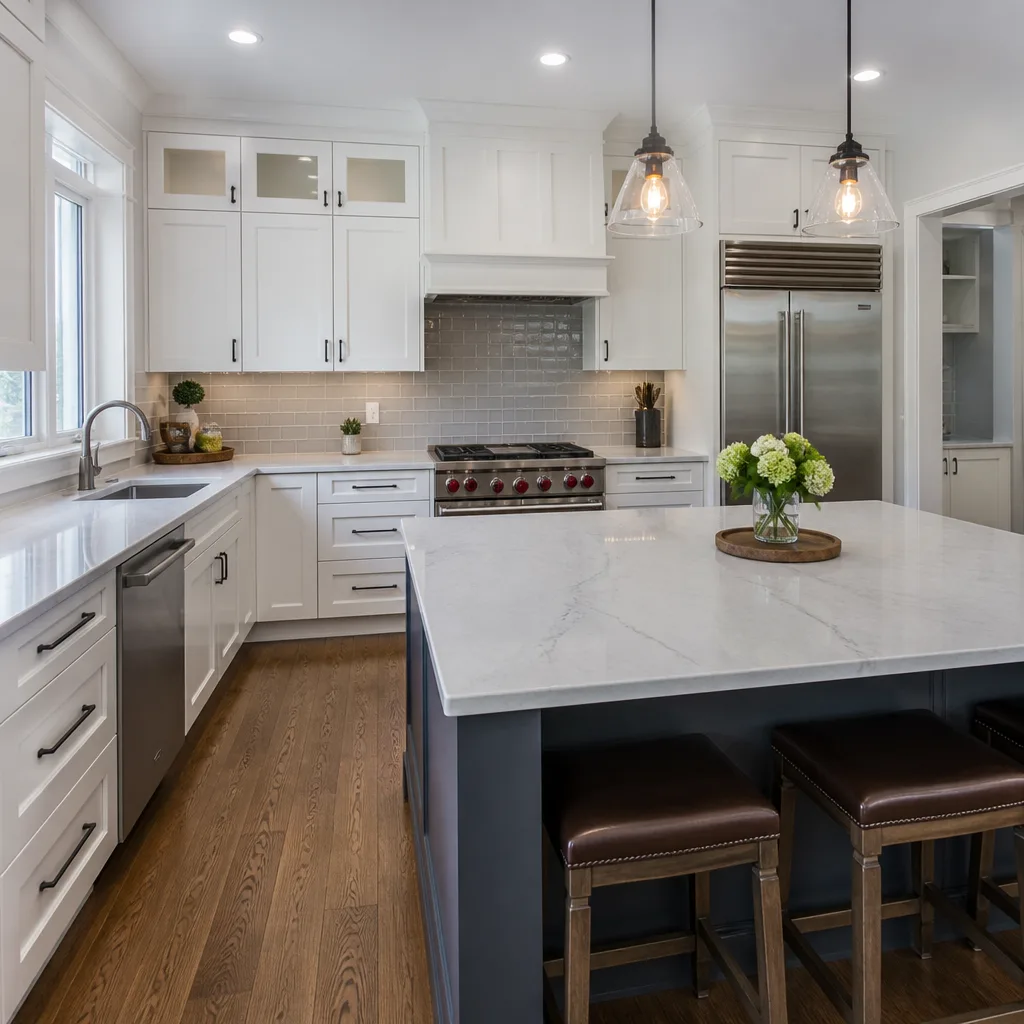
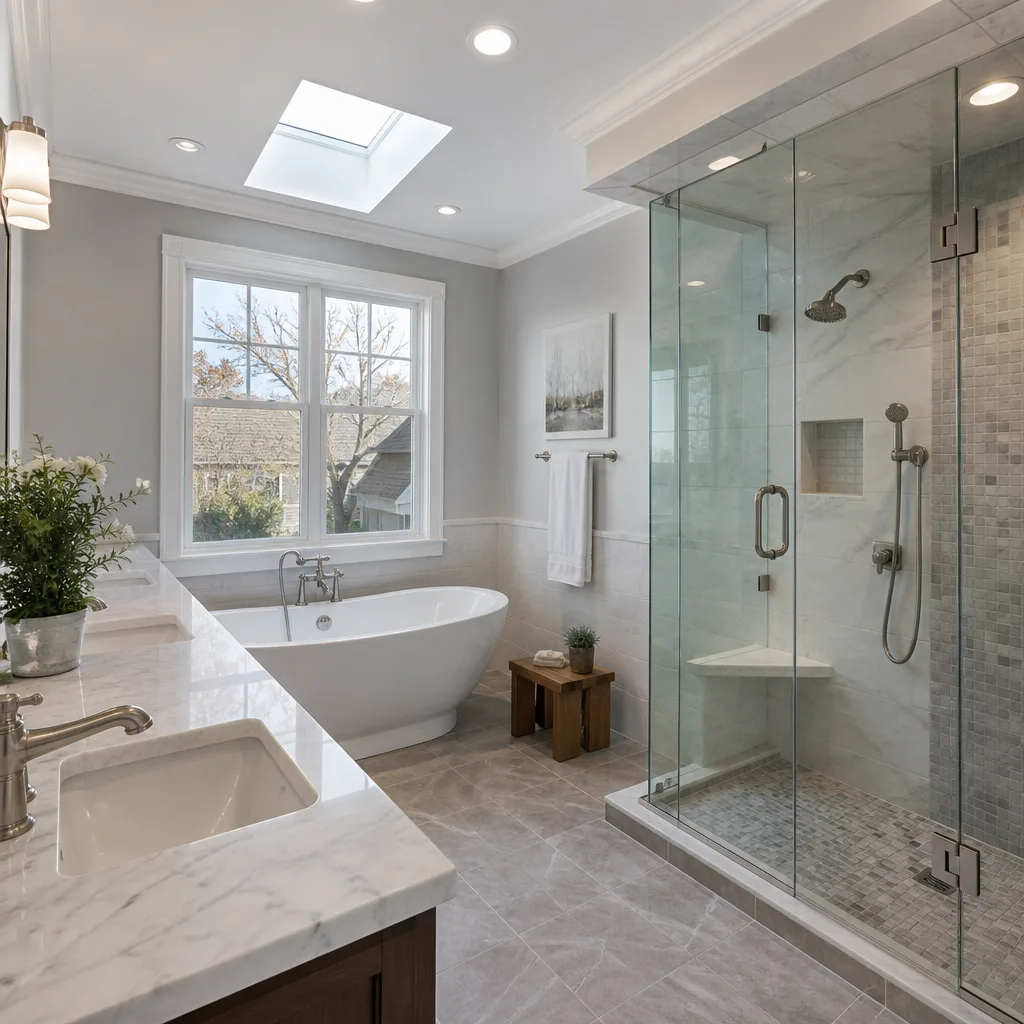
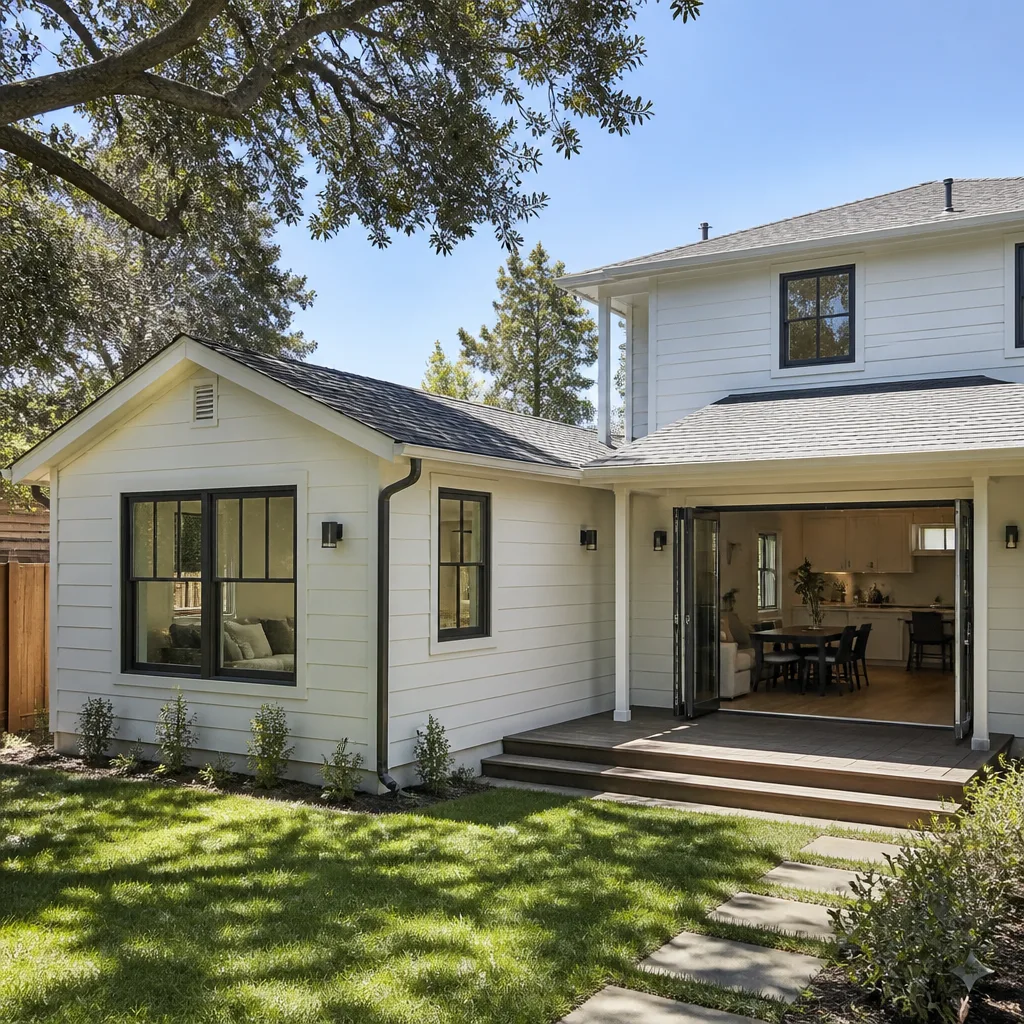

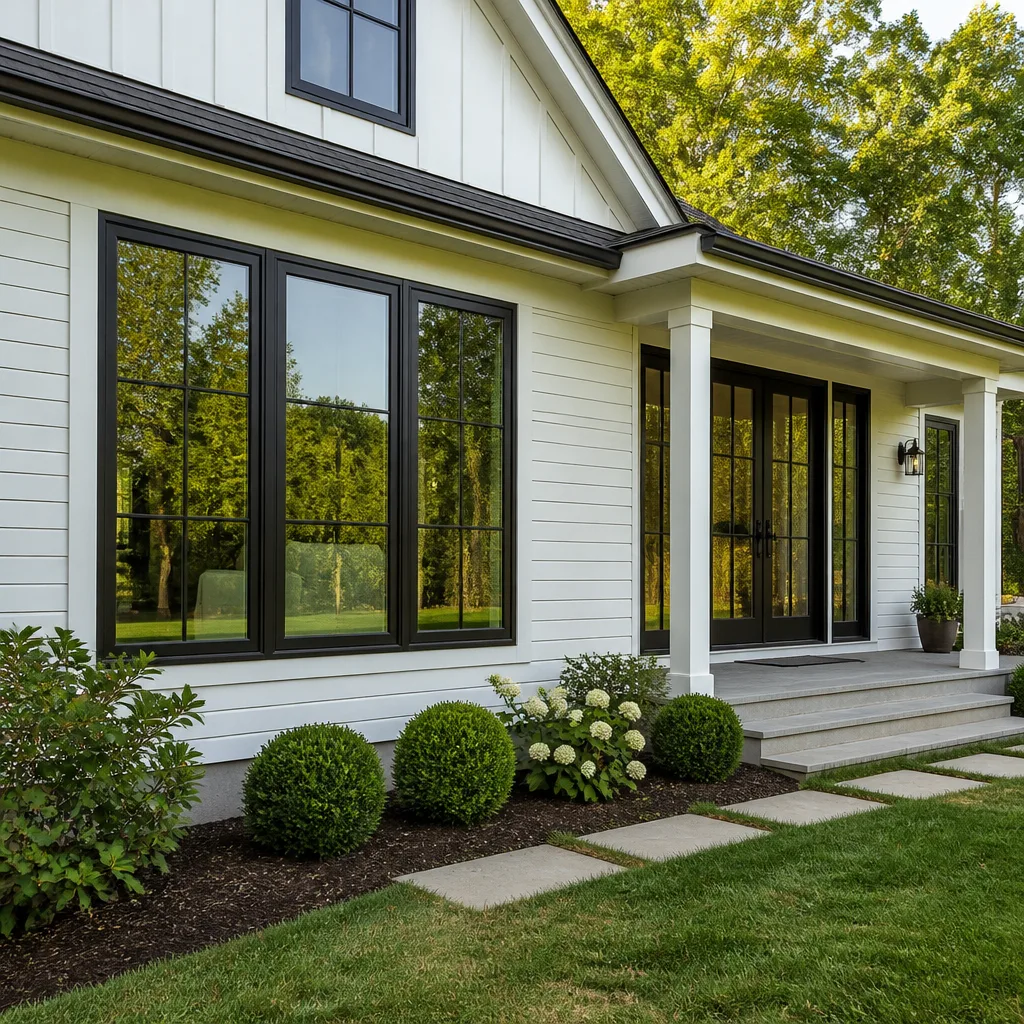
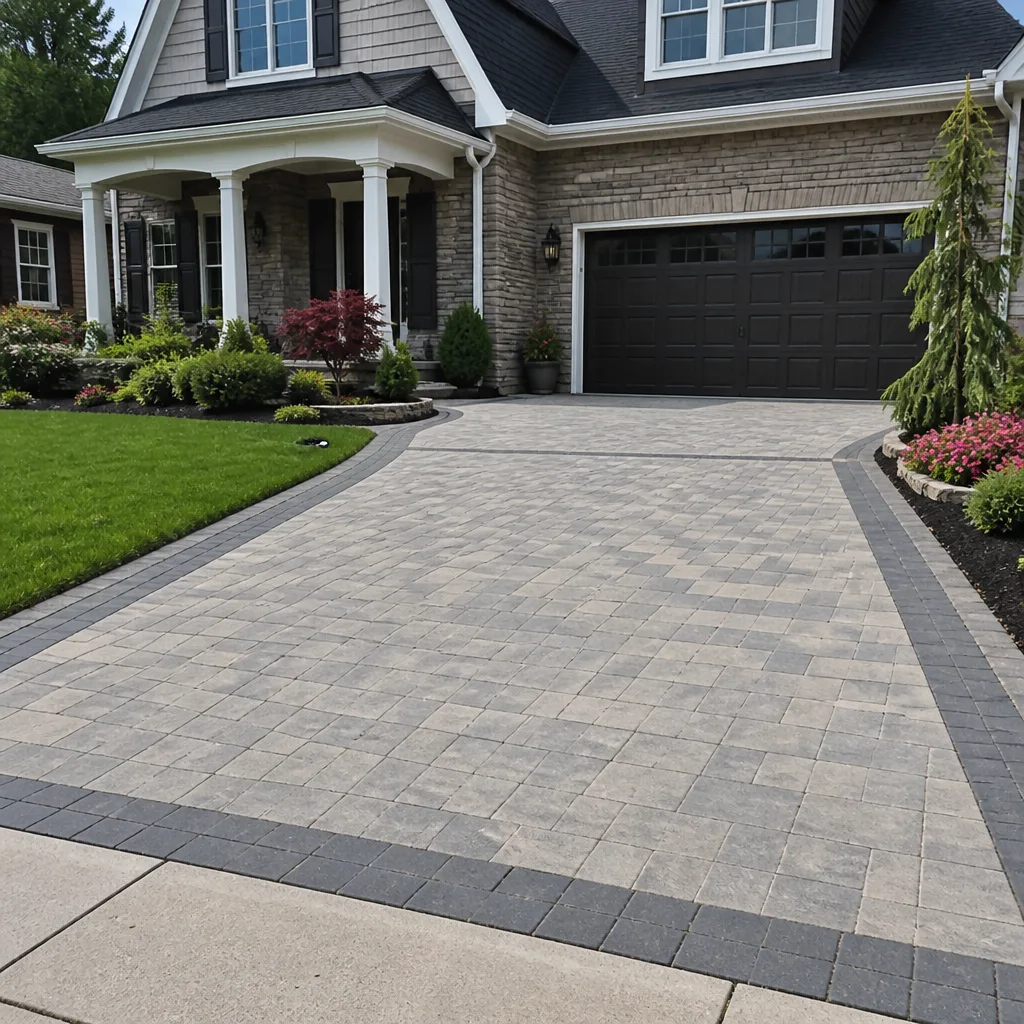
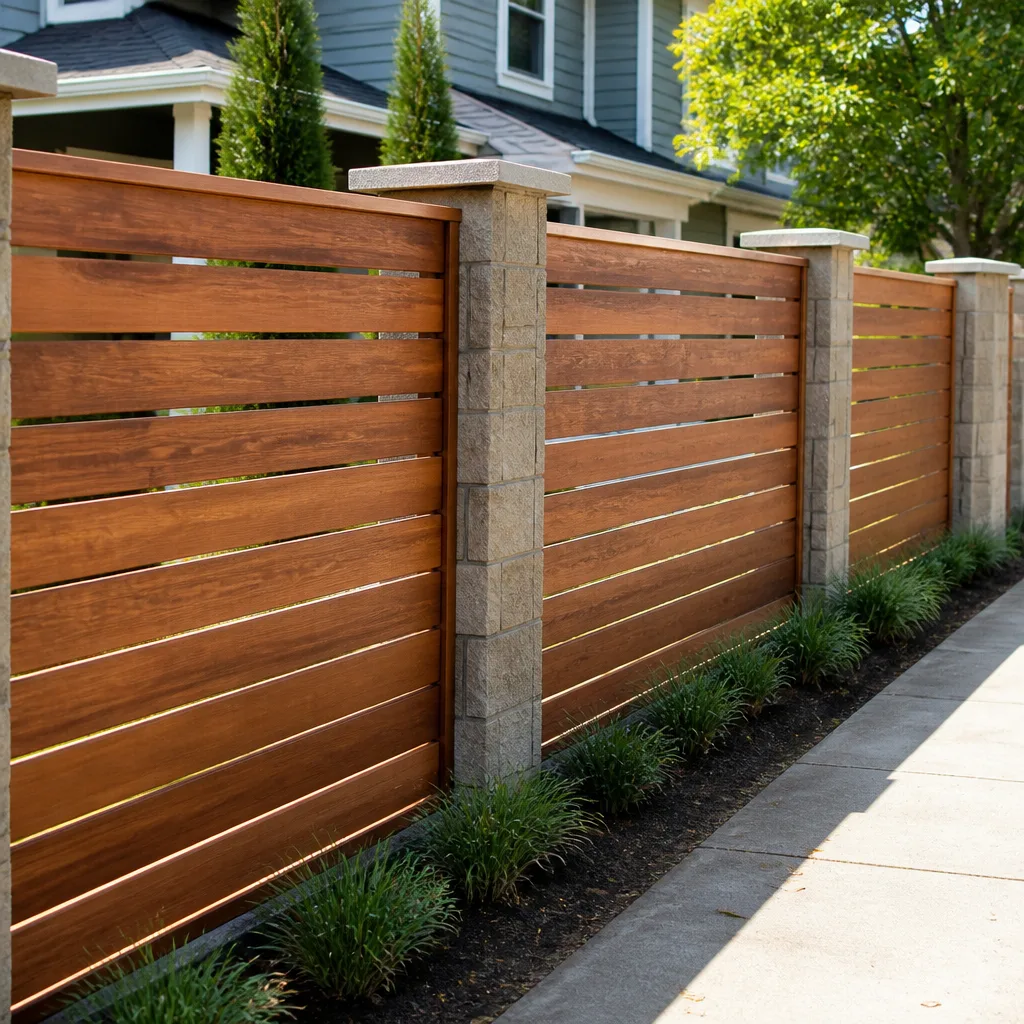
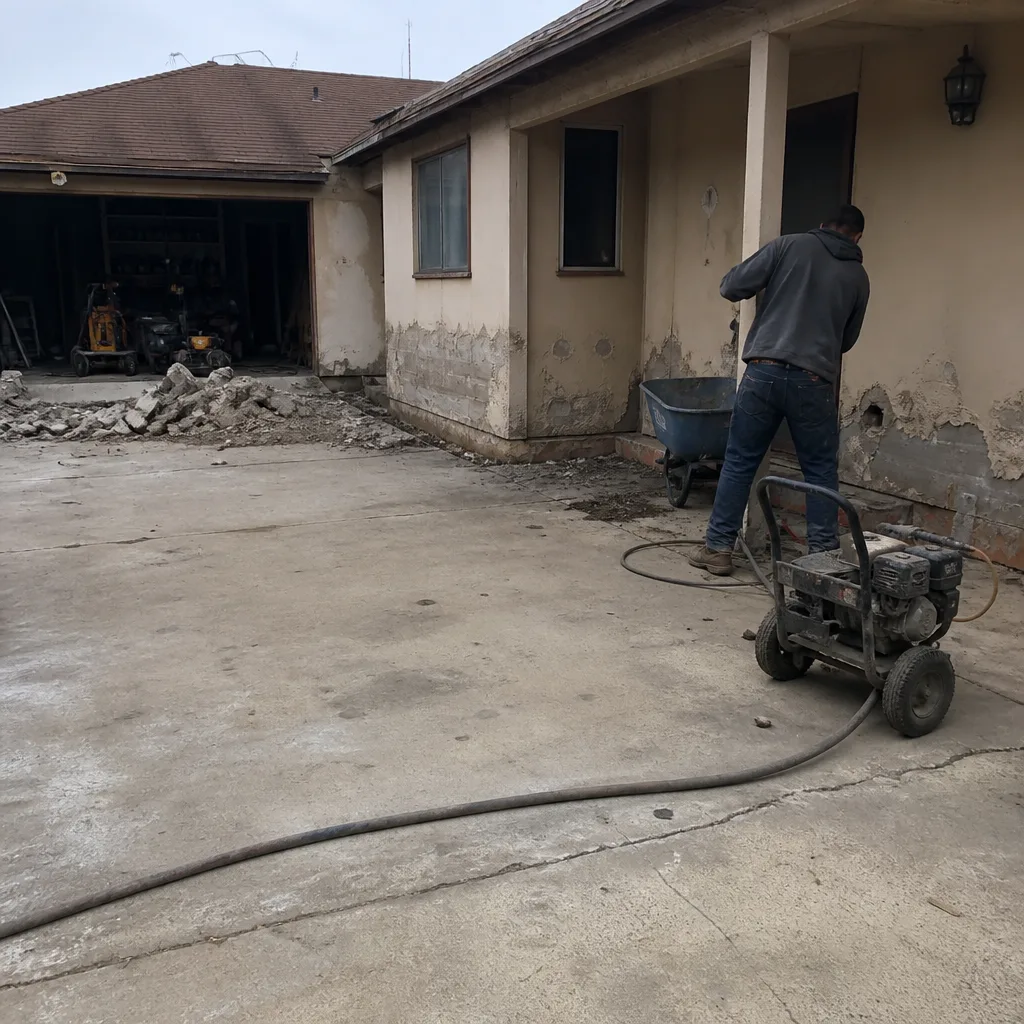 Before
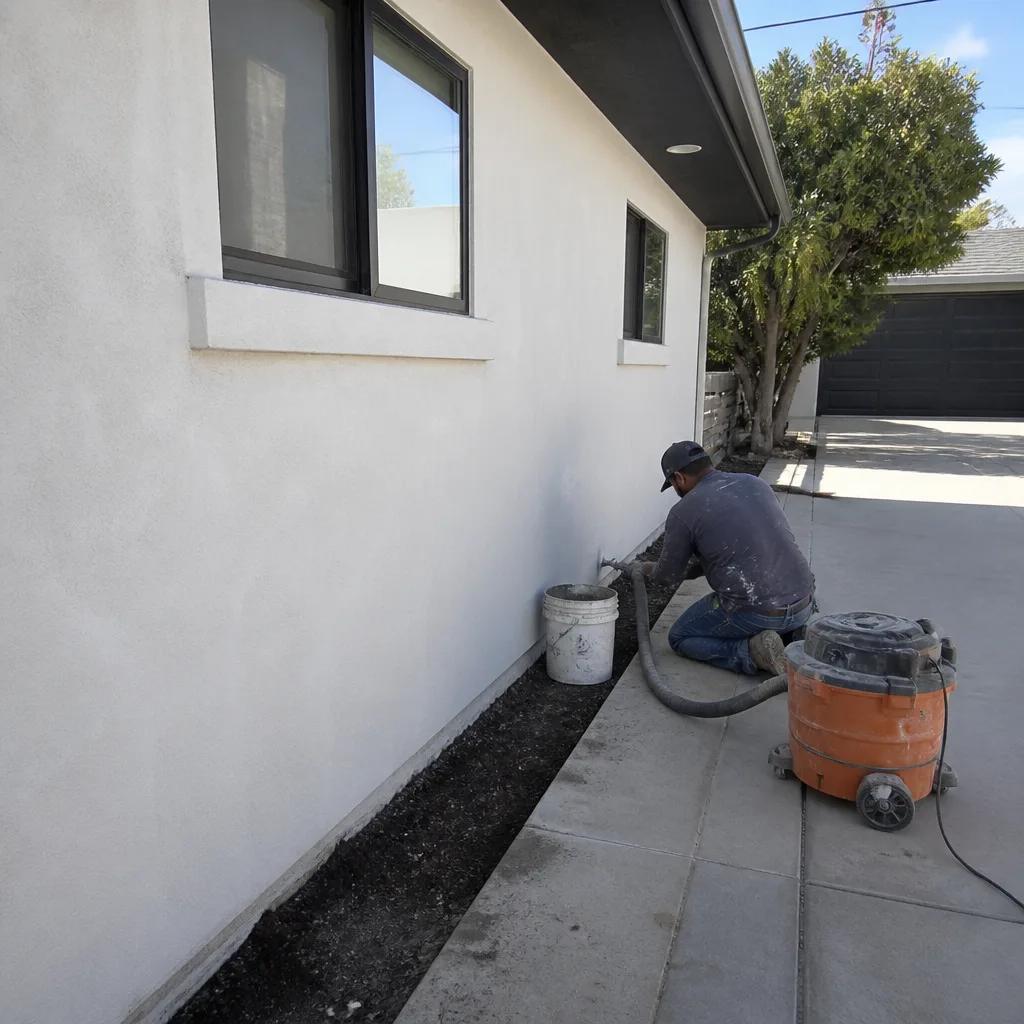 After
After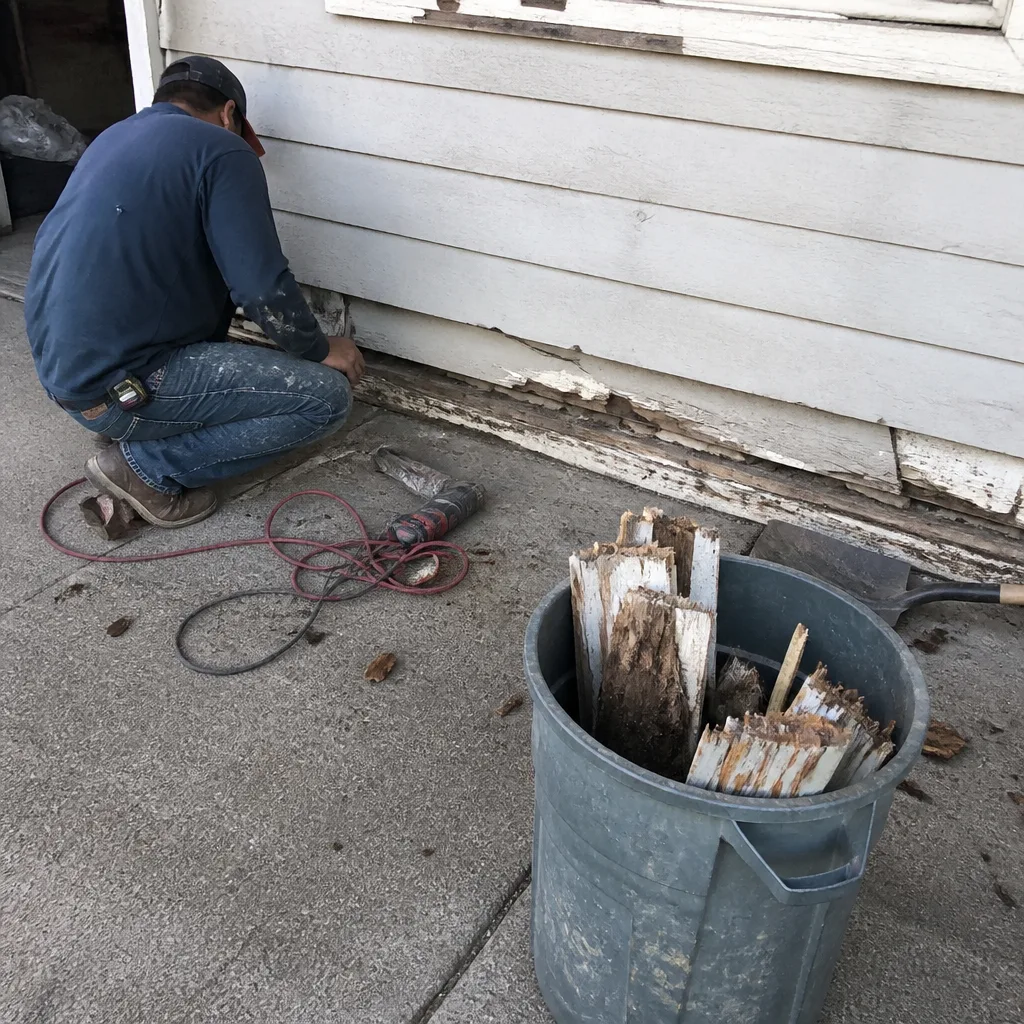 Before
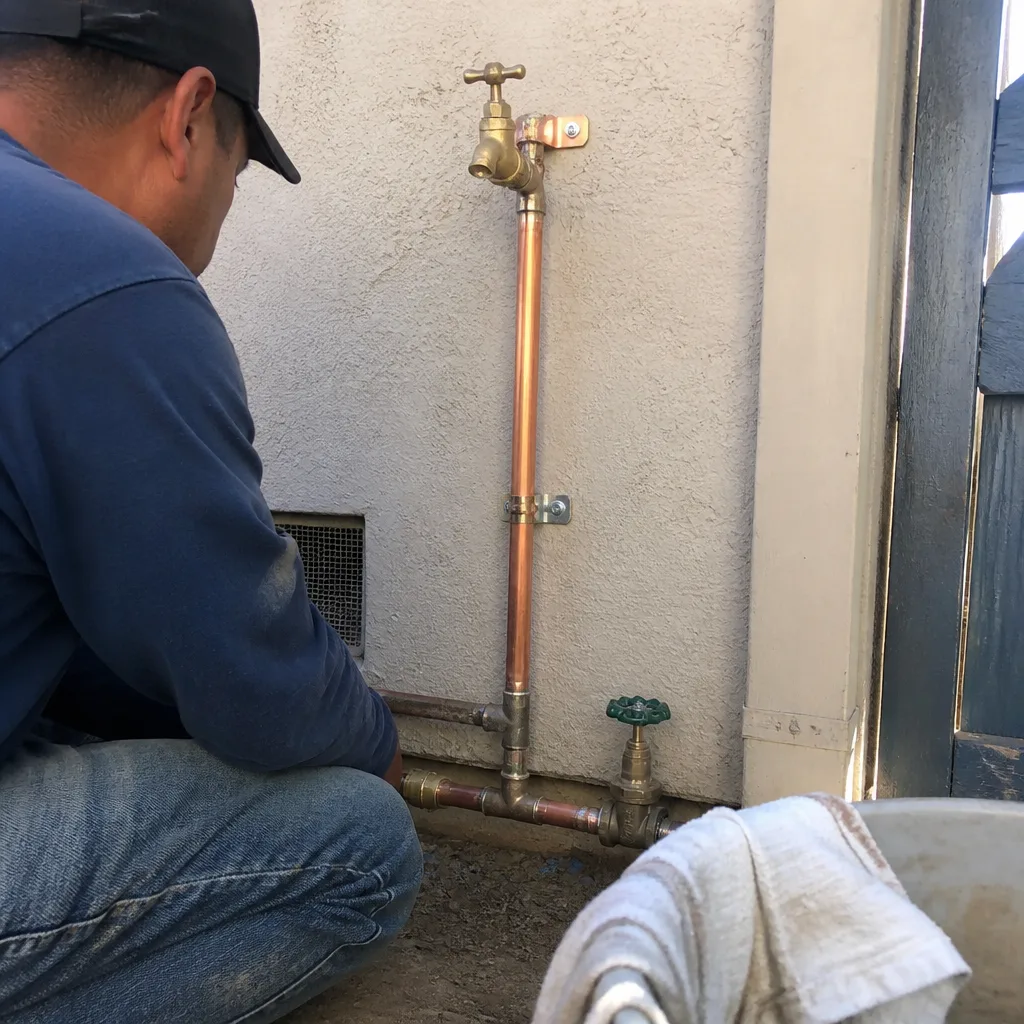 After
After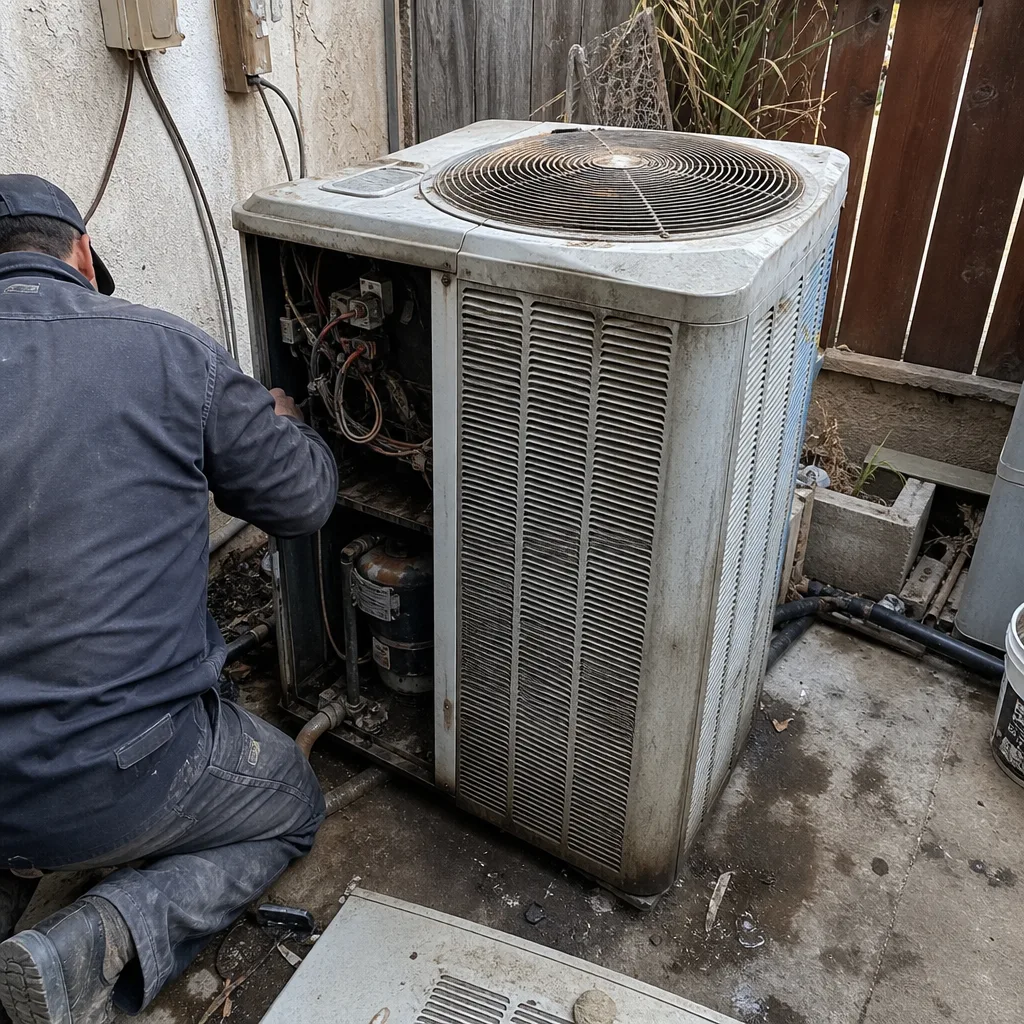 Before
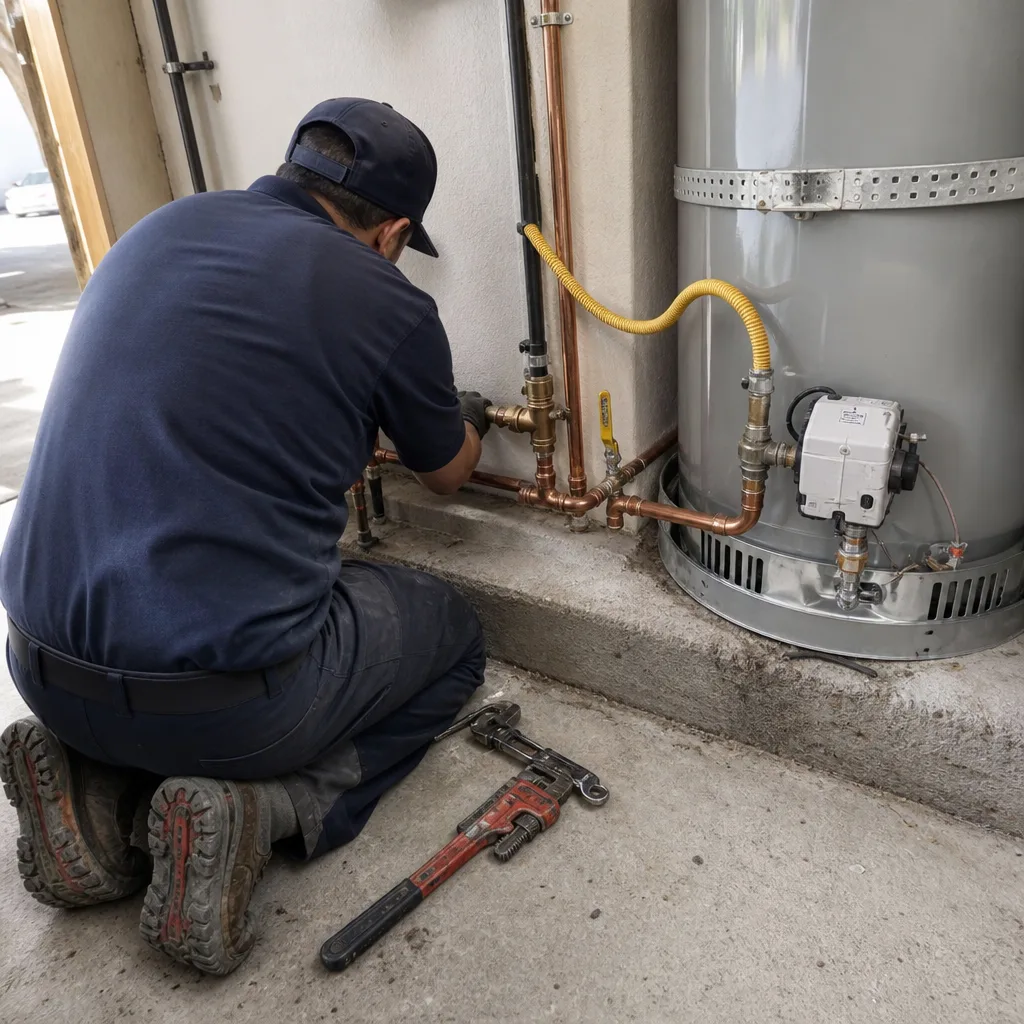 After
AfterConstruction Warning Signs: A Long Beach Homeowner’s Reference Guide
A bid with no permit line item is not a lower bid - it is a bid that transfers the legal and financial liability for unpermitted work to the homeowner, who under California law is responsible for any code violations on their property regardless of who performed the work. In Long Beach, where the Building & Safety Division enforces both the California Building Code and a stack of local amendments, this distinction can cost tens of thousands in retroactive permitting, demolition, and re-construction. This guide documents the specific contract language, licensing gaps, and bid structures that signal real risk - the warning signs you can verify on paper before anyone picks up a tool. For more guides & resources on protecting your investment, see our blog.
Quick Answer
The most dangerous construction contractors in Long Beach are not the ones who show up late or leave a mess. They are the ones whose contracts contain five specific patterns: uncapped “time and materials” language, unnamed brand allowances, “permit by owner” clauses, missing lien waivers, and change-order provisions that don’t require your written signature. Each of these patterns shifts legal exposure onto the homeowner and can be identified before work begins by reading the bid line by line and verifying licenses through the CSLB. For help evaluating your options, read our DIY vs Professional Construction: The Long Beach Homeowner’s Decision Guide.
Table of Contents
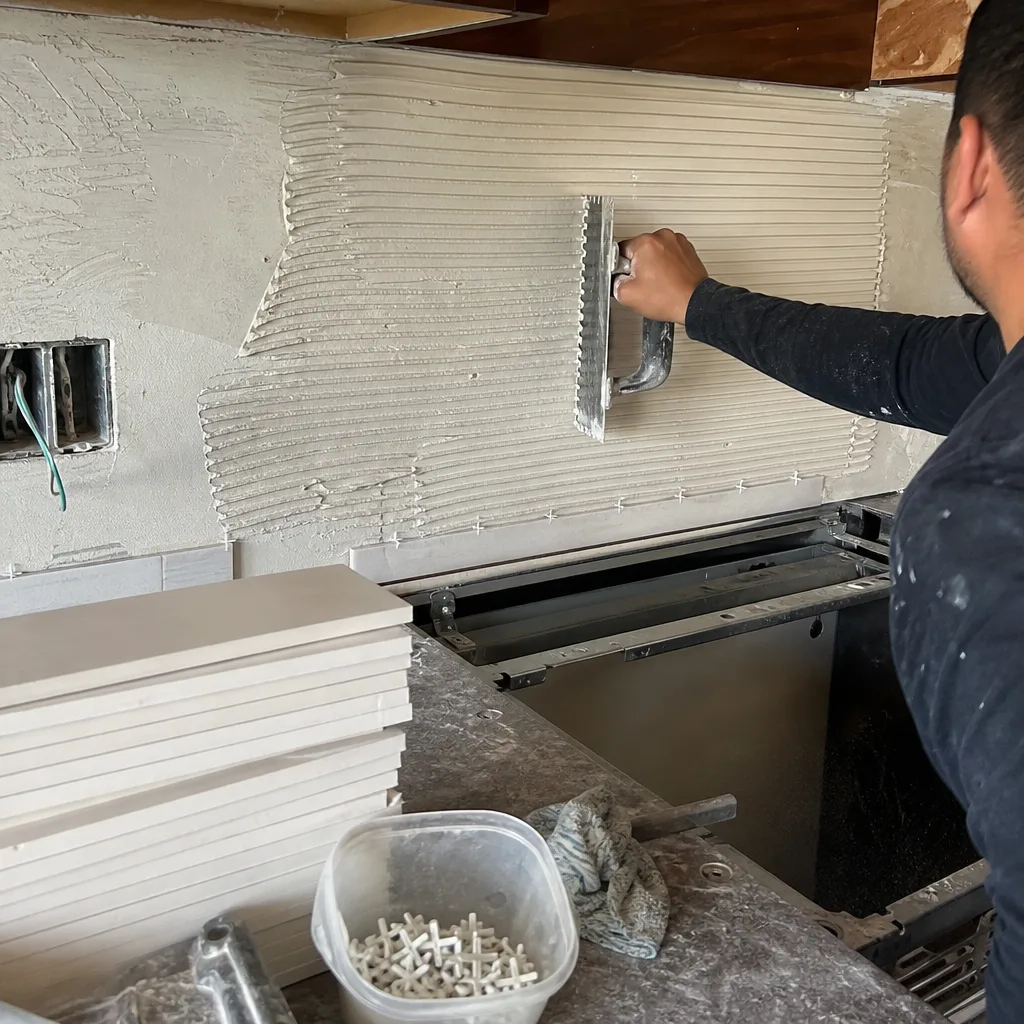
- Five Contract Language Patterns That Signal Risk
- CSLB License Classifications: What Each Letter Means for Your Project
- Front-Loaded Draw Schedules and California Law
- Subcontractor Documentation: What Legitimacy Looks Like on Paper
- Long Beach-Specific Risks: Local Amendments and Out-of-Town Contractors
- The Documentation Standard: What You Should Receive Before, During, and After
- Additional Red Flags: Pressure Tactics, Verbal Promises, and Missing Insurance
 Before
 After
AfterFive Contract Language Patterns That Signal Risk
Every contract tells you who bears the risk if something goes wrong. In our experience across 4,000-plus projects, the contracts that cause the worst outcomes contain the same five patterns, each designed to shift cost and liability from the contractor to the homeowner.
1. “Time and Materials” With No Cap
A time-and-materials contract without a not-to-exceed ceiling removes the contractor’s incentive to work efficiently. The homeowner absorbs every cost overrun, every delay, every supply-chain hiccup. In Long Beach, where lumber and concrete prices fluctuate with port activity and where Quikrete and Sakrete products move through the Port of Long Beach distribution network, material costs can swing 15% in a quarter. A legitimate time-and-materials bid names an hourly rate for each trade, a markup percentage on materials, and a hard cap. Without the cap, the contract is an open checkbook.
Under Clause 1 of the Haven Standard, Rowan Construction Group delivers a flat written price before any work starts. A “call for a quote” process is not an option here. The number on the page is the number on the invoice, within a few percent, because every change requires a signed change order before work proceeds.
2. “Allowances” Without a Named Brand and SKU
An allowance is a placeholder dollar amount for finishes the homeowner will select later - tile, cabinets, fixtures. The risk emerges when the allowance is generic: “$8,000 for kitchen cabinets” with no brand, no line, no SKU. A contractor can bid $8,000 against KraftMaid’s entry-level line, then present the homeowner with a mid-grade selection that costs $14,000, forcing an upsell or a downgrade mid-project.
A legitimate allowance names the brand, the product line, and the SKU range. “KraftMaid Vantage semi-custom, maple shaker door, painted finish, SKUs Vxxxxx-Vxxxxx” is an allowance you can price-check at three suppliers. An unnamed “$8,000 cabinets” line is a hole in the budget waiting to swallow it.
3. “Permit by Owner” Language
California Business and Professions Code §7159 requires that home improvement contracts state who will obtain permits. A contract that assigns permit responsibility to the owner, or is silent on permits, is a contract that plans to skip them. This is not a minor paperwork issue. In Long Beach, unpermitted work triggers:
- Mandatory disclosure on resale, which can kill a transaction or force a price reduction
- Retroactive permitting fees at 200% of the original rate
- Reconstruction orders if the work does not meet current code, even if it met code when built
- Personal liability for the homeowner for any injury occurring in non-compliant construction
The contractor who avoids permits avoids inspections, which means no third-party verification of structural, electrical, or plumbing work. The savings on the bid are borrowed against future legal exposure.
4. Lien Waiver Absence
A mechanic’s lien is a legal claim against your property filed by anyone who supplied labor or materials and was not paid - even if you paid the general contractor in full. California law provides protection through the preliminary notice process and conditional and unconditional lien waivers. A contract with no mention of lien waivers, or a contractor who “handles that at the end,” is a contractor who may not be paying subcontractors or suppliers on schedule.
Legitimate documentation includes: a Subcontractor List with license numbers, preliminary notices from each subcontractor and supplier, and a schedule of conditional lien waivers tied to each draw. The absence of this paperwork is not an oversight. It is a warning that the project’s financial chain is opaque.
5. Change-Order Clauses Without Written Authorization
A change-order clause that allows work to proceed on verbal approval, or that bills for “unforeseen conditions” without a signed amendment, destroys budget control. We have reviewed competitor contracts where the clause reads “additional work will be billed at cost plus 15%” with no requirement for the homeowner’s signature before the work begins. This means the contractor can discover a condition, perform $4,000 in work, and present an invoice - take it or face a lien.
Under the Haven Standard, no work proceeds on a change until the change order is signed. This administrative discipline, acquired when Haven purchased Rowan Construction Group, is the reason our projects finish within a few percent of the agreed price. The signed change order is not bureaucracy. It is the mechanism that keeps the number on the page honest.
CSLB License Classifications: What Each Letter Means for Your Project
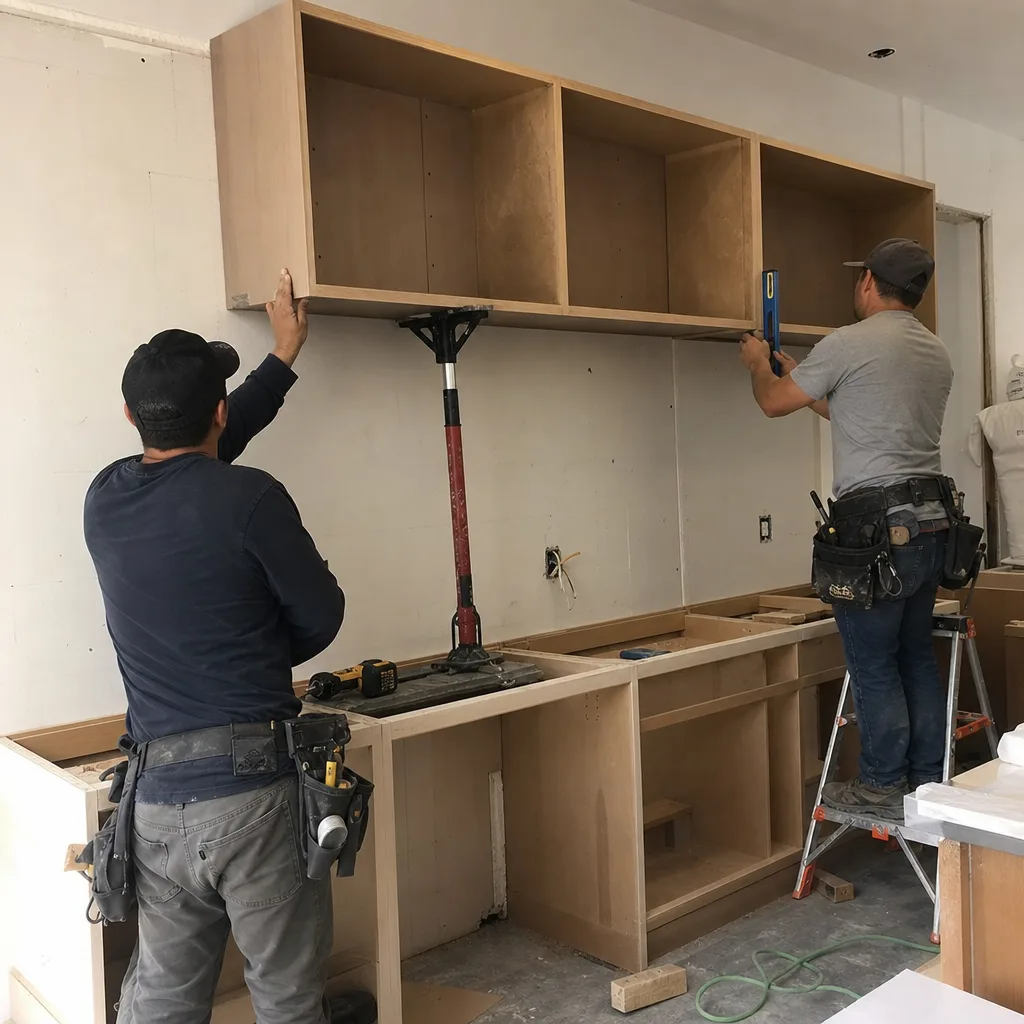
The California State License Board issues classifications that determine what a contractor can legally perform. A homeowner who verifies only that the license is “active” misses half the picture. The classification must match the work.
The B-General Building Contractor
A B-General contractor can perform any structure built, or to be built, for the support, shelter, and enclosure of persons, animals, chattels, or movable property. The critical limitation: a B-General cannot perform specialty trades - electrical, plumbing, HVAC, roofing over $500 - unless holding that classification or subcontracting to a properly licensed specialist.
This matters in Long Beach because many residential projects involve multiple trades. A kitchen remodeling in Long Beach typically requires electrical (C-10), plumbing (C-36), and possibly structural work. A B-General contractor who proposes to self-perform electrical rough-in without a C-10 on staff is proposing illegal work. The permit cannot be pulled, the inspection cannot pass, and the homeowner assumes liability for any fire or injury.
How to Verify the Subcontractor, Not Just the GC
- Request the Subcontractor List before signing. This is a written document naming each trade, the company, and the CSLB license number.
- Verify each license at cslb.ca.gov. Check that the classification matches the trade - C-10 for electrical, C-36 for plumbing, C-39 for roofing.
- Confirm the license status is “Active” and the bond and workers’ compensation insurance are current.
- Ask for a Certificate of Insurance naming you as additional insured for the project duration.
- Verify that the subcontractor’s license address matches their actual place of business, not a mail drop or the GC’s office.
A verbal assurance that “our electrician is fully licensed” is not documentation. The license number on paper, verified through the CSLB database, is documentation. In 4,000-plus projects, we have never encountered a legitimate contractor who refused to provide this list.
Long Beach-Specific Licensing Context
Long Beach Building & Safety requires licensed contractors for permit pulls on all residential construction. The city does not accept owner-builder permits for work performed by hired labor unless the owner personally performs the work or holds the appropriate license. A contractor who suggests the owner pull the permit to “save time” is suggesting a violation of this policy and exposing the owner to liability under California B&P Code §7117, which makes it a misdemeanor for an unlicensed person to perform work requiring a license.
Front-Loaded Draw Schedules and California Law
California B&P Code §7159.5 limits the down payment on home improvement contracts to the lesser of $1,000 or 10% of the contract price. Any first draw exceeding this amount violates state law and is an immediate, actionable warning sign.
What Front-Loading Looks Like in Dollar Terms
A $45,000 kitchen remodel with a $15,000 “materials deposit” is front-loaded. So is a $120,000 home addition with a $25,000 “start fee.” These structures transfer risk to the homeowner: the contractor has collected substantial payment before demonstrating performance, and the homeowner has limited leverage if quality drops or schedules slip.
Legitimate draw schedules tie payments to verifiable milestones, not calendar dates:
- 10% at contract signing (the legal maximum)
- 25% at completion of rough framing, verified by inspection
- 25% at completion of rough mechanicals, verified by inspection
- 25% at completion of finishes, pre-final walkthrough
- 15% at final inspection sign-off and documented photo record delivery
The final holdback is critical. It ensures the contractor has incentive to complete punch-list items, obtain final inspections, and deliver warranty documentation. A contract with 90% paid by “drywall” and 10% at “substantial completion” - an undefined term - leaves the homeowner with no leverage for the finish quality that matters most. After your project wraps, protect your investment with our Kitchen Remodeling Maintenance Checklist for Long Beach Homeowners.
Long Beach Market Context
In Long Beach’s competitive construction market, where roofing in Long Beach and ADU construction have accelerated since state law streamlined accessory dwelling unit approvals, some contractors use front-loaded draws to fund cash-flow gaps from other projects. The homeowner’s kitchen becomes the bank for the contractor’s payroll. A draw schedule that front-loads payment is not just a warning sign - it is a structural indicator of financial instability.
Subcontractor Documentation: What Legitimacy Looks Like on Paper
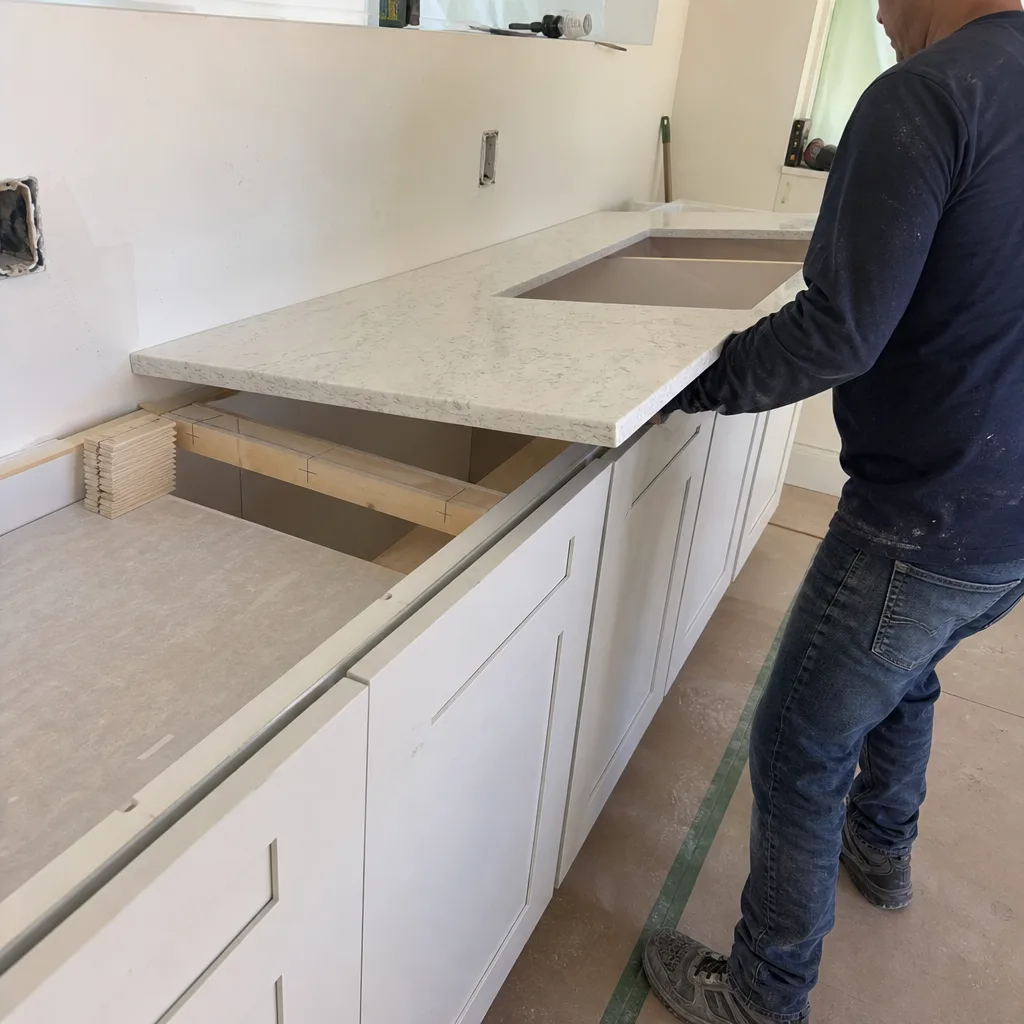
The subcontractor relationship is where most construction disputes originate. A homeowner who knows only the general contractor’s name has no visibility into who is actually performing work on their property, whether they are licensed, or whether they have been paid.
The Subcontractor List
A legitimate Subcontractor List contains:
- Company legal name and DBA if applicable
- CSLB license number and classification
- License status verification date
- Certificate of Insurance with policy numbers and expiration dates
- Scope of work description
- Contract value for that scope
This document is not proprietary. It is standard practice for any contractor with documented financial controls. Rowan Construction Group provides this list as part of every written quote, before any work starts, because the Haven Standard requires transparency in the subcontractor chain.
The Preliminary Notice Process
California Civil Code §8200 requires that subcontractors and suppliers serve a preliminary notice within 20 days of first furnishing labor or materials. This notice preserves their right to file a mechanic’s lien if not paid. A homeowner who receives no preliminary notices during the first month of work is either working with a contractor who self-performs all trades - rare in residential construction - or with a contractor whose subcontractors are not following legal process, which suggests they may not be following other processes either.
The proper response is not alarm but verification. Request the preliminary notices from your contractor. They should arrive from each trade and major supplier - electrical, plumbing, roofing, lumber, concrete. The absence of these notices is a warning. The presence of notices from companies not on your Subcontractor List is a larger warning, indicating undisclosed subcontracting or supplier changes.
Insurance Verification
A Certificate of Insurance is a snapshot on a date. It can be canceled the next day. For projects exceeding 60 days, request updated certificates at 45-day intervals. Verify directly with the insurance carrier - do not accept the contractor’s forwarded email as sufficient. In Long Beach, where projects often extend through winter rains and where bathroom remodeling in Long Beach can involve extensive moisture remediation, maintaining active general liability and workers’ compensation coverage throughout the project is essential.
Long Beach-Specific Risks: Local Amendments and Out-of-Town Contractors
Long Beach maintains a local amendment stack that modifies the California Building Code in ways that affect residential construction. Contractors who list a Torrance, Compton, or Orange County address but claim Long Beach familiarity may not know these amendments, and their absence from permit applications causes delays, rejections, and redesigns.
Amendments That Trip Out-of-Town Contractors
- Seismic bracing requirements: Long Beach’s proximity to active faults triggers enhanced cripple-wall bracing and hold-down requirements in additions and ADUs that differ from standard California Zone 4 prescriptions.
- Coastal zone overlays: Properties west of Ocean Boulevard or in the Belmont Shore area may fall under California Coastal Commission jurisdiction, requiring additional permits beyond city Building & Safety.
- Historic district review: The Belmont Heights and Bluff Park historic districts require design review for exterior alterations, a process unknown to contractors who work primarily in unincorporated areas.
- Grading and drainage: Long Beach’s flat topography and high water table in areas like Naples and the Peninsula trigger specific drainage and foundation dampproofing requirements that differ from hillside construction norms.
- Fire separation in ADUs: The city’s interpretation of state ADU law includes specific fire-rated assembly requirements for attached units that exceed minimum state standards.
Inspector Relationships and Local Knowledge
A contractor who has not worked regularly in Long Beach does not know the inspection scheduling system, the specific inspectors’ focus areas, or the common rejection reasons that delay projects. We have seen out-of-town contractors schedule rough inspections without verifying that Long Beach Building & Safety requires 24-hour advance notice for certain trade inspections, resulting in lost days and crew downtime that the homeowner pays for in extended timelines.
The practical verification: ask when the contractor last pulled a permit in Long Beach. Ask for the permit number. Verify it through the city’s online permit portal. A contractor who cannot produce a recent Long Beach permit number is a contractor who is learning your city’s system at your expense.
Material Sourcing and Port Proximity
Long Beach’s location adjacent to the Port of Long Beach creates both advantages and risks. Materials move through local distribution centers, but supply-chain disruptions hit this market first and recover last. A contractor unfamiliar with local supplier lead times may promise Cambria or Caesarstone countertops on a timeline achievable only with local inventory knowledge. The written quote should reflect realistic lead times, not optimistic ones.
The Documentation Standard: What You Should Receive Before, During, and After
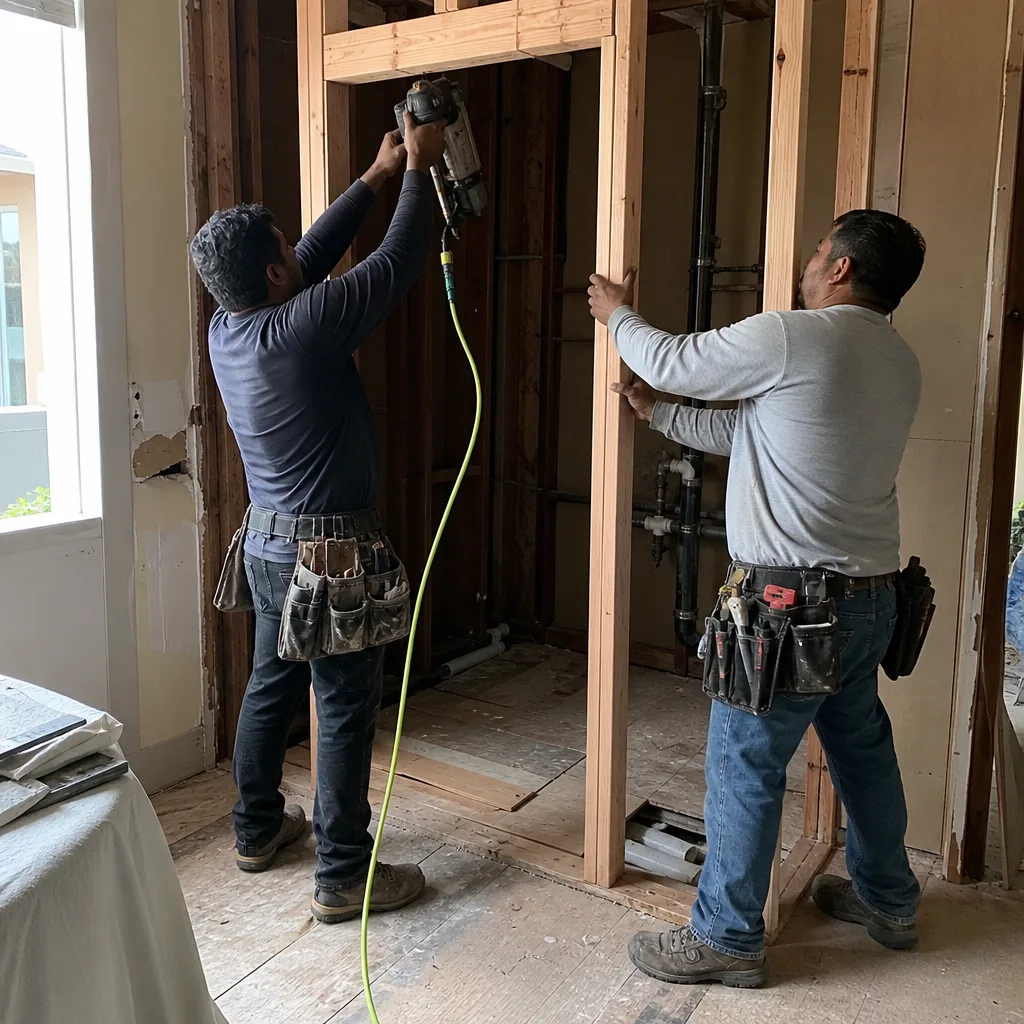
Documentation is the difference between a dispute and a resolution. The contractor who documents everything creates a record that protects both parties. The contractor who documents nothing creates ambiguity that the homeowner always loses.
Before Work Starts
- Written quote with flat price, itemized scope, brand names and SKUs where applicable, and explicit permit responsibility
- Subcontractor List with verified license numbers
- Certificate of Insurance with you named as additional insured
- Copy of the contractor’s CSLB license verification page
- Written warranty terms, including duration and coverage exclusions
- Draw schedule tied to inspection milestones, not dates
During the Project
- Daily or visit-based photo record of conditions found and work performed
- Signed change orders for any scope, material, or price modification before work proceeds
- Preliminary notices from all subcontractors and suppliers
- Inspection sign-off sheets from Long Beach Building & Safety
- Updated Certificates of Insurance if project extends beyond initial policy periods
After Completion
- Final inspection approval and certificate of occupancy or completion where required
- Unconditional lien waivers from all subcontractors and suppliers
- As-built drawings or photos showing concealed conditions (plumbing, electrical, structural)
- Written warranty document with claim procedure
- Documented photo record of finished work, delivered digitally and archived by the contractor
Rowan Construction Group includes the documented photo record as standard, not as an upgrade. Every visit produces dated, geotagged photographs that the customer receives as evidence of what was found and what was done. This is not a marketing feature. It is the documentation discipline that supports the 365-Day Done Right Promise - if it is not done right, we make it right, and the photo record shows what “right” looked like when we left.
Additional Red Flags: Pressure Tactics, Verbal Promises, and Missing Insurance
Beyond contract language and licensing, certain behaviors indicate contractors who operate outside sustainable business practices.
Pressure Tactics
A discount for signing today, a “materials price expiring Friday,” a claim that “we have a crew in the neighborhood next week” - these are urgency tactics designed to compress decision-making. Legitimate contractors in Long Beach do not need artificial scarcity. Their schedules fill through reputation and documentation, not through pressure. The Haven Standard contains no urgency clauses because sustainable pricing does not expire in 48 hours.
Verbal Promises in Writing’s Absence
“Don’t worry, we’ll take care of that” is not a contract term. Any promise about materials, timeline, or price that does not appear in the written quote does not exist legally. We have reviewed disputes where homeowners relied on verbal assurances about “upgrading to the better shingles” or “fixing that rot while we’re in there.” Without a signed change order, these are unenforceable wishes.
Missing or Inadequate Insurance
A contractor who carries only the minimum $1 million general liability for a $200,000 home addition is underinsured. A contractor who cannot produce a workers’ compensation certificate is either uninsured or misclassifying employees as independent contractors - a practice that exposes the homeowner to liability for workplace injuries. Verify coverage limits against project value. Request the workers’ comp certificate specifically; general liability alone does not cover crew injuries on your property.
No Physical Business Address
A PO box or residential address for a contractor claiming to serve Long Beach suggests minimal local presence. Verify the address through the CSLB license lookup, then check it on a map. A contractor with no local office, no local permit history, and no local supplier relationships is a contractor who will be difficult to locate if problems emerge after final payment.
Common Mistakes to Avoid
- Accepting the lowest bid without line-item comparison. A bid 30% below others usually omits permit fees, inspection costs, or necessary materials. Compare scopes, not totals - the lower number often hides the higher risk.
- Verifying only the GC’s license, not the subcontractors’. The electrician who causes the fire may be unlicensed even if the GC who hired them is properly credentialed. Verify every license in the chain.
- Paying more than the legal maximum down payment. California’s 10% or $1,000 limit exists because homeowners who pay more lose leverage. Any contractor who demands more is either ignorant of the law or indifferent to it - neither is acceptable.
- Skipping permit discussion to “save time.” In Long Beach, unpermitted work must be disclosed on sale, and retroactive permitting costs more than original compliance. The time saved is borrowed at high interest.
- Not requesting the documented photo record. Without photographic evidence of pre-existing conditions and work-in-progress, disputes about damage or quality become unresolvable he-said-she-said conflicts.
- Ignoring neighborhood-specific requirements. A contractor who does not ask whether your Long Beach property is in a historic district, coastal zone, or specific plan area has not done the preliminary research that prevents mid-project stops.
- Failing to get a second opinion on a major estimate. Rowan Construction Group offers a Free Second Opinion on any written estimate - we will review a competitor’s quote line by line at no charge, because an informed homeowner makes better decisions and better decisions produce better projects.
When to Call a Professional
Call a licensed contractor when any of the following conditions apply: the project requires a building permit; the work involves structural, electrical, plumbing, or roofing components; the contract value exceeds $500, which triggers California’s licensing requirement; or you have received a bid containing any of the warning signs documented in this guide and need a documented second opinion.
For homeowners in Belmont Shore, Naples, Belmont Heights, Bluff Park, or anywhere in Long Beach, Rowan Construction Group Long Beach home offers free estimates with written flat pricing before any work starts. Call (424) 567-7009 to schedule your free estimate. Every quote includes a documented photo record, a Subcontractor List with verified license numbers, and the 365-Day Done Right Promise backed by The Haven Standard.
Frequently Asked Questions
Legitimate contractor pricing in Long Beach typically runs $85-$150 per square foot for standard residential remodeling and $200-$400 per square foot for custom work with premium materials like Cambria countertops or KraftMaid cabinetry. Roofing averages $6-$12 per square foot depending on shingle grade and deck condition. A written quote with flat pricing, provided before work starts, is the only reliable number - verbal estimates vary by 40% or more from final invoices. Call (424) 567-7009 for an exact quote; estimates are free.
No. A B-General Building Contractor cannot legally perform electrical work exceeding $500 without a C-10 Electrical Contractor license or a properly licensed C-10 subcontractor on the job. The CSLB enforces this classification separation, and Long Beach Building & Safety will not issue an electrical permit to a contractor without the C-10 classification or documented subcontractor. Verify the electrician’s license independently at cslb.ca.gov - the GC’s license does not cover their subs.
Decline. California B&P Code §7159.5 limits the down payment to 10% or $1,000, whichever is less. A contractor who demands more is violating state law. This is not a negotiable preference; it is a statutory protection. Report violations to the CSLB at (424) 567-7009. For a legitimate contractor who follows this and all other California contracting laws, call (424) 567-7009.
Check the Long Beach Development Services online map for your parcel’s zoning, historic district status, and coastal zone overlay. Properties in Belmont Heights Historic District, Bluff Park, or west of Ocean Boulevard typically require additional review. A contractor familiar with Long Beach will identify these requirements in the first site visit and include the appropriate permit applications in the written quote. A contractor who does not ask about these conditions is not prepared for your project.
A mechanic’s lien is a legal claim against your property by unpaid subcontractors or suppliers, enforceable even if you paid the general contractor in full. Prevent liens by: requiring a Subcontractor List with license numbers before work starts; receiving preliminary notices from all subs and suppliers within 20 days; obtaining conditional lien waivers with each draw payment; and collecting unconditional lien waivers before final payment. These documents are standard on properly managed projects, not optional extras.
Yes. Rowan Construction Group obtains all required permits for every project, including building, electrical, plumbing, and mechanical permits through Long Beach Building & Safety. The permit costs are itemized in the written quote, not hidden or assigned to the owner. Under Clause 1 of the Haven Standard, the price is written before anyone starts, and that price includes full permit compliance. Call (424) 567-7009 to discuss your project’s permit requirements.
The Bottom Line
The warning signs that matter are verifiable on paper, not detectable in a handshake. Uncapped time-and-materials contracts, unnamed allowances, permit-shifting language, missing lien waivers, and unauthorized change-order clauses transfer risk to the homeowner in ways that California law specifically prohibits. CSLB license verification, draw schedule compliance with B&P Code §7159.5, and complete subcontractor documentation are not due diligence excess - they are the minimum standard for a project that finishes on budget and on scope. In Long Beach’s specific regulatory environment, local permit familiarity and amendment knowledge separate contractors who deliver from contractors who disappear. The documentation you receive before work starts predicts the documentation you will have when problems arise. Start with the paper, verify every number, and demand the written price that makes accountability possible.
Written by Grant Rowan, Owner at Rowan Construction Group Long Beach, serving Long Beach since 2007.